Get Full Government Meeting Transcripts, Videos, & Alerts Forever!
Witness tells House committee state-run Clean Water SRF is more efficient than EPA grants; warns mandates raise costs for small communities
Summary
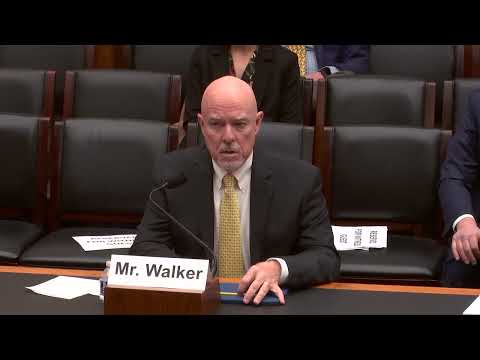
At a House Transportation and Infrastructure Committee hearing, a committee member asked Mr. Walker, a witness, whether state administration of the Clean Water State Revolving Fund produces better results than federal management.
At a House Transportation and Infrastructure Committee hearing, a committee member asked Mr. Walker, a witness, whether state administration of the Clean Water State Revolving Fund (CWSRF) produces better results than federal management.
Mr. Walker responded: “Because the states know what they need.” He told the committee that states “talk to those people” on the ground, understand local needs and can “make a package that works for them instead of a mandate.” He said states have…
Already have an account? Log in
Subscribe to keep reading
Unlock the rest of this article — and every article on Citizen Portal.
- Unlimited articles
- AI-powered breakdowns of topics, speakers, decisions, and budgets
- Instant alerts when your location has a new meeting
- Follow topics and more locations
- 1,000 AI Insights / month, plus AI Chat