Get Full Government Meeting Transcripts, Videos, & Alerts Forever!
Get email alerts on the Postal Services topic
No spam. Unsubscribe anytime.
Commissioners discuss county response to failing mailbox clusters; no formal action taken
Summary
Commissioners spent extended time criticizing U.S. Postal Service maintenance and exploring local options to replace or maintain neighborhood cluster mailboxes; they directed staff to seek solutions but did not vote on a remedy at the meeting.
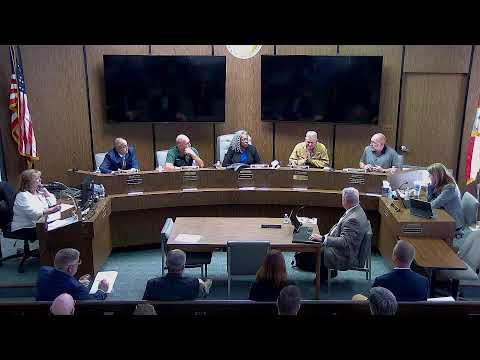
Several Hendry County commissioners on March 11 devoted extended discussion to deteriorating cluster mailboxes in rural communities and whether the county should intervene after the U.S. Postal Service declined to replace some units.
A commissioner recounted past efforts contacting federal and state offices and said the USPS has maintained it is not responsible to replace cluster boxes in the locations discussed. The commissioner argued residents without reliable transportation depend on local mail access, cited an earlier estimate (from the speaker) that rebuilding the Montura mail cluster could cost roughly $36,000 during COVID-era pricing and might run closer to $100,000 if procured now as a government project, and urged the board to find a solution.
County Administrator Jennifer Davis and Public Works Director Shane Parker participated in the discussion on maintenance, ownership and key access. Commissioners debated options including the county building replacement structures and selling box keys to residents (comparing a PO box fee at about $70 a year), asking homeowners associations to manage keys, or assigning responsibilities to community entities such as special districts. Concerns included ongoing maintenance costs, the fiscal constraints of the county, and the need to avoid shifting undue financial burdens to residents.
No formal motion was made; commissioners asked staff to explore options, potential costs, and funding mechanisms and to bring back recommendations. The board also discussed related public-safety concerns, noting some rural emergency response and access issues in the same areas.
The lengthy discussion did not produce a binding decision; staff was directed to continue working on options and report back.