Kings Park presents draft 2025–26 budget, forecasts $1 million gap; staffing reductions proposed
Loading...
Summary
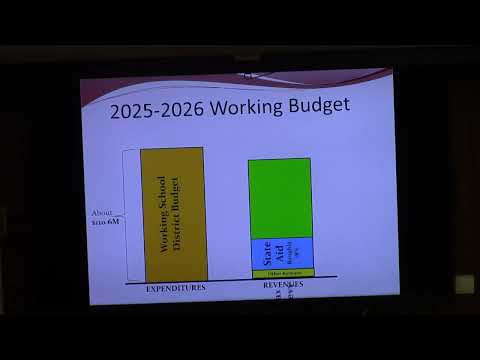
Kings Park Central School District Superintendent Dr. Egan presented the board with the fourth draft of the 2025–26 budget on March 4, saying the district is proposing just over $110 million in spending — a budget‑to‑budget increase of approximately 3.6% — and currently faces an estimated gap of about $1 million.
Kings Park Central School District Superintendent Dr. Egan presented the board with the fourth draft of the 2025–26 budget on March 4, saying the district is proposing just over $110 million in spending — a budget-to-budget increase of approximately 3.6% — and currently faces an estimated gap of about $1 million that staff are continuing to close.
The draft incorporates phase 1 staffing recommendations and updated health‑insurance projections, Dr. Egan said. He warned the board that roughly $690,000 in federal funding for electric buses, tied to an Environmental Protection Agency grant, is currently on pause; if that revenue is not available the district would still buy buses but could not afford electric models next year.
The budget presentation was followed by detailed reviews from business and personnel leaders. Shannon Mann, who presented the business office and undistributed codes, said retirement-system rates produced mixed changes (ERS up, TRS down) and that health‑insurance costs rose only modestly compared with prior years. Mann noted the district expects the first payment for the fourth energy performance contract (EPC) to hit next year; future years are expected to yield savings as the project is implemented.
Dr. Colby Rooney, presenting the office of pupil personnel, highlighted a 7.68% reduction in that office’s proposed budget driven by declining special‑education enrollment and students aging out at 22. Rooney said the district plans to shift some contracted behavioral‑intervention and parent‑training services in‑house to increase continuity and responsiveness. She also reported the district’s universal prekindergarten program (UPK) currently serves six classrooms and 108 students.
The curriculum presentation emphasized districtwide literacy alignment with the state’s science of reading initiative (an attestation is due in September) and continued expansion of dual‑enrollment and AP offerings. The district has added an eighth‑grade financial‑literacy course and continues regents tutorials and summer jump‑start programs to support student outcomes.
Personnel and staffing projections proposed modest reductions tied to enrollment declines: a districtwide net reduction of 4.8 full‑time equivalent positions (including 1.5 in special education), with recommended decreases concentrated in the secondary schools (about 3.3 FTE) and specific school reallocations. At the high school, presenters recommended absorbing two retirements and reducing roughly 3.1 positions overall; at William T. Rogers Middle School they proposed a 1.2 FTE reduction driven by lower enrollment.
Dr. Egan said the tax‑levy increase in the current draft is 2.99% and that staff are awaiting final state aid numbers after the state budget process completes. He told the board the district has closed much of the original projected gap from approximately $2.5 million to about $1 million through expenditure reviews and other adjustments but that more work remains in March and April before adoption.
Board members thanked staff for the presentations and said they would continue reviewing details. No final budget adoption vote occurred at the meeting; Dr. Egan outlined the remaining calendar: a final budget workshop later in March, a public budget hearing after state aid numbers are final, and a budget vote on the third Tuesday of April.
Ending: The board moved from the workshop into the consent agenda and routine business; no formal budget adoption or tax‑levy decision was made at the March 4 meeting.