Get Full Government Meeting Transcripts, Videos, & Alerts Forever!
Get email alerts on the Board Civility Policy topic
No spam. Unsubscribe anytime.
Temecula board debates broader civility policy, draws sharp public comment and proposed amendments
Summary
Board members held a first reading of a revised civility policy that would expand prohibitions on harassment, anonymous social accounts and “religious bigotry”; the discussion produced public testimony for and against the changes and no vote was taken.
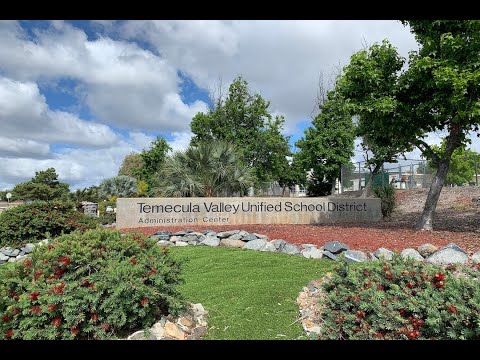
The Temecula Valley Unified School District Board of Education held a contentious first reading March 11 of a revised civility policy that would broaden standards for trustee conduct, social-media behavior and “religious bigotry” in school-related settings. Board President Melinda Anderson introduced a draft that would add new accountability language and permit board-level responses to false claims and harassment.
The debate — which drew more than an hour of public comment and multiple proposed amendments from Anderson herself — focused on two fault lines: whether the policy should identify “religious bigotry” as a protected category and whether board members can be disciplined for making false accusations or encouraging anonymous attacks. Anderson cited recently enacted state law and asked the board to consider a mechanism — mediation or third-party investigation — when elected officials dispute one another.
Pastor Michael Davis of Temecula United Methodist Church told the board he feared the phrase “religious bigotry” could have a chilling effect on discussions of sex, gender and identity in schools, asking the board to "rethink this" language so marginalized students would not be deprived of a voice. Another public commenter criticized the policy as a vehicle for suppressing dissent. Several commenters asked the board to consult legal counsel before adopting language that could touch on First Amendment protections.
Anderson proposed four specific board-level amendments during the meeting: (1) language barring filing false child-abuse claims or other baseless allegations, (2) broader language prohibiting false claims of harassment, (3) a prohibition on using or encouraging anonymous accounts, and (4) a ban on organized “personal phone‑a‑thons” or campaigns intended to damage fellow trustees’ reputations. She said the policy was intended to protect trust and professional functioning among trustees. "I think it's important that we all aim to do better," Anderson told the room.
Trustee Joseph Komrovsky and other board members urged caution. Multiple trustees and speakers told the board to get a constitutional or labor-law review before carving out disciplinary remedies for elected officials. One trustee pointed out that board members are not employees and questioned whether the district can impose disciplinary consequences without a clear legal basis.
Board members did not vote on the policy at the meeting; Anderson said she will refine the draft and expects additional input, including legal review and bargaining‑unit consultation, before a future vote.
Ending: The civility proposal will return to the board as a subsequent reading after legal review and community input. In the interim, board members asked staff to summarize relevant state law and comparable policies from other districts and to circulate proposed language to bargaining representatives.