Get Full Government Meeting Transcripts, Videos, & Alerts Forever!
Get email alerts on the Tax Increment Financing topic
No spam. Unsubscribe anytime.
Finance director briefs council on TIF basics, pooling and recent Article 7 pay‑as‑you‑go deal
Summary
Finance Director Dan Mike gave the council a high‑level briefing on tax increment financing (TIF), explained eligible costs and financing options, described recent pooling that funded the Article 7 redevelopment, and urged a city policy favoring pay‑as‑you‑go structures when feasible.
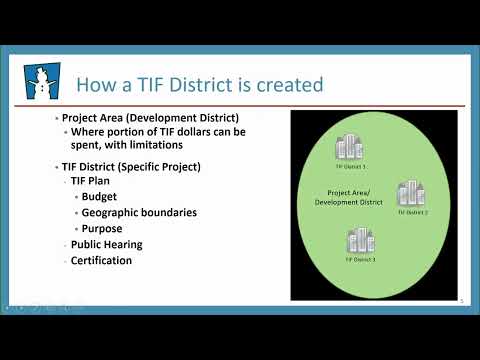
Finance Director Dan Mike told the North St. Paul City Council on March 4 that tax increment financing, or TIF, is a state‑authorized tool that captures increases in property tax revenue from a defined project area to pay project‑related costs until obligations are repaid.
TIF districts preserve a base level of taxes for existing taxing jurisdictions and capture the incremental increase after redevelopment, Mike said. That captured increment is remitted to the city to repay debt or reimburse qualifying project costs; when obligations are paid or a district expires, the increment returns to the regular taxing authorities.
Mike said eligible TIF costs include project‑related public improvements such as streets, sidewalks, water and sewer work, land acquisition, soil correction, site preparation and demolition, relocation, qualifying housing costs, financing fees, capitalized interest and administrative costs. He outlined several district types and terms used in Minnesota, noting examples: economic development districts (shorter terms) and housing or redevelopment districts (longer terms).
On financing methods, Mike distinguished upfront city financing (bonds or interfund loans), which places repayment risk on the city, from pay‑as‑you‑go (PAYGo) notes where the developer finances construction up front and is reimbursed from increment as it is actually received. "My preferable way of doing it is a pay as you go," Mike said, describing the PAYGo arrangement used for the recent redevelopment of the former Lilly publishing building now called Article 7.
Mike described the Article 7 deal as a PAYGo note with a minimum‑assessment agreement the developer accepted to reduce lender risk; the city expects to receive some increment from the property this year. He credited the developer for sharing detailed cost and revenue information during negotiations, which allowed the city to verify expenses before reimbursement.
The finance director also described a special pooling arrangement enabled by separate legislation that allowed the city to pull approximately $1.1 million from several older districts (TIF 442, 444 and 406). About $800,000 of that was used to support Article 7; roughly $400,000 remained at the time of Mike’s remarks and the pooled authority expires at the end of the year. Mike noted remaining, unused funds in a district must be returned to Ramsey County at decertification and then distributed to taxing jurisdictions.
Mike listed existing and recent TIF districts by name used in the city’s materials, including Penn Place, Charles Street (the Du building where Jubilee used to be), senior housing on Helen Street, M and I Homes, Uptown Commons (Seventh and Margaret), Anchor Block North (housing and commercial), Anchor Block South (housing and soils remediation) and the Lilly/Article 7 redevelopment. He said some districts were bonded, some used PAYGo notes and some included interfund loans originating in the electric fund.
On risk, Mike warned that where the city carries upfront debt the city faces repayment obligations even if projected increment falls short; he described how minimum‑assessment agreements, bond calling provisions and choice of financing structure shift risk between the developer, lender and the city. He said property tax delinquencies or abatements can reduce available increment and harm repayment of interfund loans.
Looking ahead, Mike recommended the council consider developing a formal TIF policy to guide when the city will use TIF and which financing approaches it prefers. He said that policy could set criteria for prioritizing projects and that, absent a compelling, unique opportunity, he would favor PAYGo notes to limit city debt exposure.
Council members asked clarifying questions about specific parcels and whether certain properties were in TIF districts; the finance director confirmed several Anchor Block properties and the storage facility are in TIF. Mike closed by offering staff and the TIF consultant would assist on technical matters and next steps if the council wants a formal TIF policy.
Ending: The briefing closed with council discussion of policy preferences; no formal action to adopt a TIF policy was taken at the workshop.