Get Full Government Meeting Transcripts, Videos, & Alerts Forever!
Get email alerts on the Urban Forestry topic
No spam. Unsubscribe anytime.
Resident objects to city ash‑tree removal plan; parks staff outlines treat‑first approach and contractor responsibilities
Summary
A resident urged the council to stop removal of boulevard ash trees he said are healthy. Parks/rec staff said the city adopted a “treat‑first” approach, will reassess trees after leaf‑out, and contracted removals to private firms that remove and dispose of wood off‑site under quarantine rules.
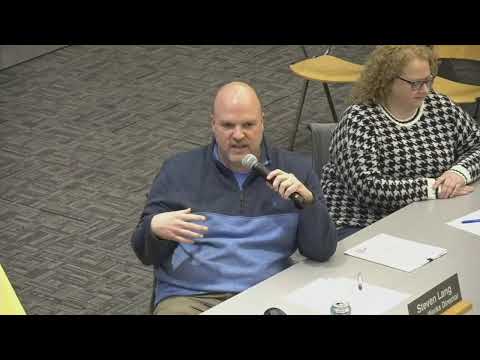
A resident told Austin City Council on March 3 he opposes the city’s ash‑tree removal program and asked that healthy boulevard trees not be cut down. The resident, who gave his address as 607 Seventh Avenue Southeast, said workers had marked and begun removing ash trees on his street and that some removed trees appeared healthy.
Council asked Parks, Recreation and Forestry staff to respond. Jason Seehan, speaking for city parks staff, said the city’s program began with a “treat‑first” approach: the city’s certified tree inspectors reviewed trees on city‑maintained property to identify those eligible for treatment. Seehan explained it can be difficult to assess emerald ash borer infestations before leaf‑out and that staff have held some trees awaiting further inspection after leaf‑out this spring to determine whether treatment is possible. He said trees that are too deteriorated present safety hazards and that the city must act where there is public‑safety risk.
Seehan told the council the scale of removals exceeded the city’s in‑house crew capacity, which is why the city contracted with outside tree contractors. Under the bid specifications, contractors are responsible for full removal and off‑site disposal of wood and chips, stump grinding, backfilling with black dirt and compaction, and compliance with the state quarantine on moving ash material. Seehan said the city and a partner foundation provided grant funding to support contracted removals so dangerous trees are removed before they fail.
The resident said he had asked the city to treat a particular boulevard ash and was surprised to see it marked for removal. Seehan said staff will wait for leaf‑out to make final determinations on any trees the city has placed on hold and reiterated the city’s preference to treat when possible, but to remove trees that are clearly hazards. Council did not take a formal action on the comment but asked staff to continue outreach and follow the treat‑first inventory process.
Council did not vote on any ordinance or resolution related to the comment during the meeting.