Get Full Government Meeting Transcripts, Videos, & Alerts Forever!
Get email alerts on the Medicaid Integrity topic
No spam. Unsubscribe anytime.
Committee hears plan to modernize administrative enforcement of Medicaid fraud statutes; OIG and hospitals seek clarity on due process and penalties
Summary
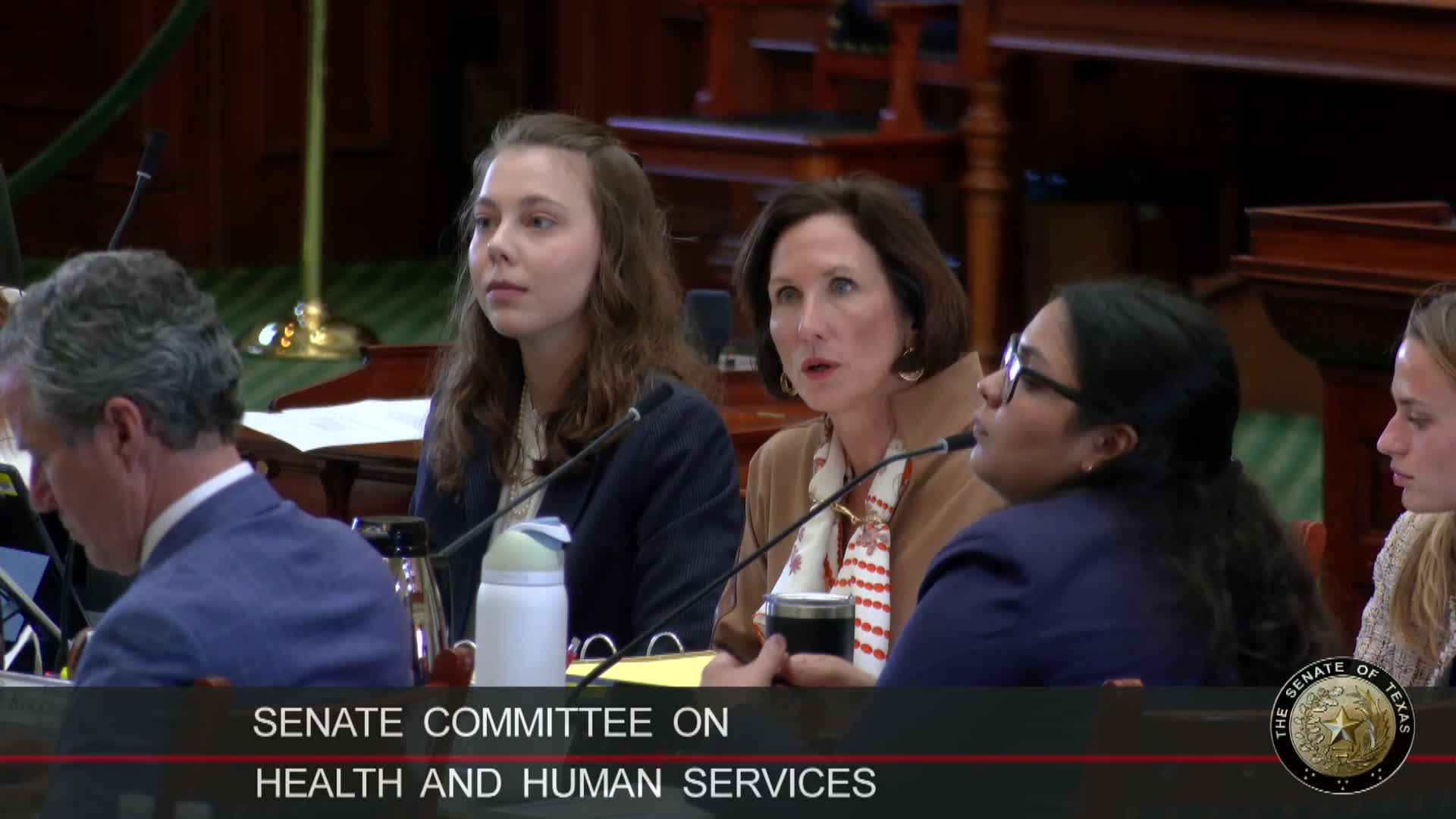
Senate Bill 1038 would update Chapter 32 of the Human Resources Code — the administrative enforcement statute for Medicaid — to align it with modern civil and criminal fraud statutes. Sponsors and the Office of Inspector General said the statute is outdated (last substantively changed in 1987) and needs modernization; hospitals, physician groups,
Senate Bill 1038 seeks to modernize the administrative enforcement statute governing Medicaid program integrity (commonly cited as Chapter 32 of the Human Resources Code). Sponsors said the existing administrative framework has not been substantively updated since 1987 while related civil and criminal fraud statutes have been modernized repeatedly.
Senator Sparks said aligning administrative enforcement with current civil and criminal statutes would clarify the Office of Inspector General’s authority, the scope of enforceable conduct, definitions and penalties. “This proposal represents a critical step in the ongoing fight against Medicaid fraud, waste, and abuse,” Sparks said.
Raymond Winter, Texas OIG inspector general, described how program delivery has changed since the 1980s and said modern enforcement tools would improve recovery of misspent funds; he noted the OIG recovered and returned hundreds of millions of dollars in recent periods and argued updated administrative remedies would strengthen deterrence.
Hospitals, physician groups and provider associations supported program integrity but urged caution to preserve due process and avoid measures that might deter legitimate providers from participating in Medicaid. Doctor Valerie Smith (Texas Medical Association/Texas Pediatric Society) and Steve Wallop (Texas Hospital Association) asked the committee to ensure administrative remedies do not strip established protections such as expert review, existing appeals and proportionality of penalties; they cautioned large per‑violation penalties could discourage participation by smaller providers.
OIG witnesses described a data‑driven detection model, said most cases resolve through settlement and explained investigations begin with algorithmic flags followed by human review, document requests and interviews. OIG officials said the statute’s modernization would allow more nimble administrative recovery tools but emphasized existing appeals paths and informal dispute resolution remain available.
The committee left the bill pending for additional public testimony and technical drafting.