Get Full Government Meeting Transcripts, Videos, & Alerts Forever!
Get email alerts on the Budget Finance topic
No spam. Unsubscribe anytime.
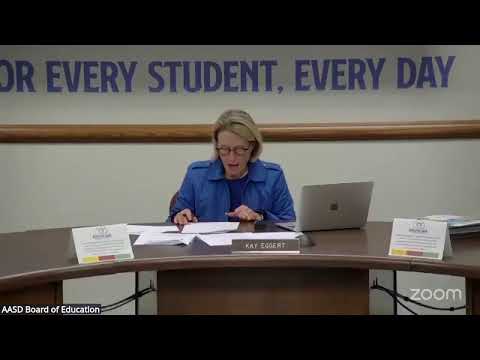
Appleton board hears deficit update, favors debt-structure that preserves referendum flexibility
Summary
District business staff warned of a multi‑million dollar structural deficit and health‑plan cost increases; board signaled preference for a debt‑issuance plan that creates levy room ahead of any potential operating referendum and asked administration to return with paperwork for a vote March 31.
The Appleton Area School District board on Monday received a budget outlook showing a multi‑million dollar structural deficit and directed administration to pursue a debt issuance structure that would preserve levy flexibility if the district needs an operating referendum.
Business services presenter Holly Byrne reviewed the district's “budget structural deficit update,” saying the district began the current fiscal year with about $15,300,000 in unassigned fund balance and a deficit budget of roughly $10,900,000. Byrne said that, using current assumptions, the district would end this fiscal year with about $4,445,000 in unassigned funds and that the structural deficit moving into the next year is about $9,000,000.
Board members and administrators said the shortfall is driven by rising health‑plan costs and operating expenses, uncertainty about state aid and special education reimbursement, and one‑time versus recurring dollars. Byrne listed revenue items she included in projections: the $325 per‑pupil increase in state law (about $4.5 million), an anticipated modest rise in special‑education aid (about $5.0 million), and a $1.0 million possible reimbursement tied to recently purchased ELA materials. On expenses she projected an 8% health‑plan increase (about $3.0 million) and smaller increases in operating costs. With those assumptions and no changes to staffing or compensation, she said the district would face a negative $3,500,000 unassigned balance for the following year and would need about $10,000,000 in 2026–27 to balance the budget.
Board members and the superintendent repeatedly urged caution and early planning. Administrators and board members discussed options that include expense reductions, an operating referendum to raise revenue, or a mix of both. The timeline described at the meeting put a decision about a possible referendum for an April 2026 ballot (requiring planning beginning early in calendar 2026) or a November option that board members called “messy” because of levy and paperwork implications.
The conversation turned to the district's long‑term capital debt from the November 2022 capital referendum and how the last $25 million of that referendum should be sold. Eric Kass, director of public finance for PMA, presented two amortization scenarios for the final issuance due in April 2025: a shorter (four‑year) amortization that minimizes total interest (estimated interest on the $25M at about $3.1M) but creates a smaller near‑term levy “ledge,” and a longer (ten‑year) amortization that raises estimated interest (roughly $8.4M on that issuance) but produces a larger levy drop in later years (creating about $8M of levy capacity near term). Kass and administration stressed that either approach could be modified later (districts can prepay or defease debt) and that the numbers depend on market rates at sale.
After questions from board members and a lengthy dialogue about tradeoffs, board members expressed a clear preference for the option that creates levy flexibility (the 10‑year amortization concept, described at the meeting as “scenario 2”) so the district would have more room to absorb or pair an operational referendum if needed. The board directed administration to prepare the final issuance paperwork using the scenario 2 approach for consideration and vote at the March 31 board meeting.
Administrators also cautioned that much remains uncertain: the final state budget, the final federal grant environment, decisions on special education reimbursement formulas, and actual health‑plan runout costs. Holly Byrne said the district expects to return with updated health‑plan projections and other scenario runs before the board finalizes any operating or capital decisions.
The board will consider the debt issuance resolution at its March 31 meeting and continue multi‑month budgeting discussions that could include staff attrition strategies, program reductions, and communications planning for any potential referendum.