Get Full Government Meeting Transcripts, Videos, & Alerts Forever!
Get email alerts on the Indian Boarding School Education topic
No spam. Unsubscribe anytime.
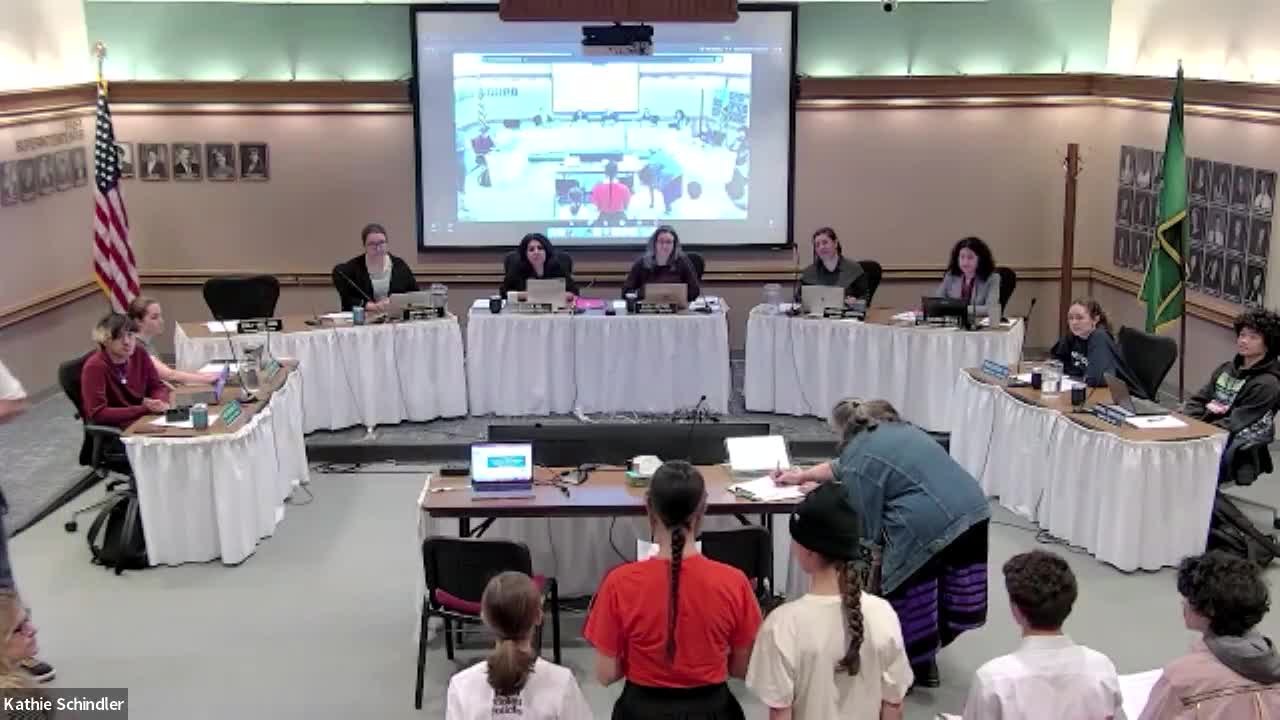
Students and Indigenous advocates urge Shoreline School Board to adopt Indian boarding school education and mark Every Child Matters Day
Summary
At the March 4, 2025 Shoreline School Board meeting, students and members of the Urban Native Education Alliance urged the board to adopt Indian boarding school curriculum statewide and designate Sept. 30 as Every Child Matters Day, citing intergenerational trauma and a need for healing and truth-telling in schools.
On March 4, 2025, during the public-comment portion of a Shoreline School Board meeting, students and members of the Urban Native Education Alliance urged the board to adopt curriculum about Indian boarding schools and to recognize Sept. 30 as Every Child Matters Day (Orange Shirt Day).
Speakers said teaching the history of federal Indian boarding school policies is essential to acknowledging intergenerational trauma and ensuring students learn the full history of Indigenous peoples in the United States. "These were industrial schools, places not dedicated to improving the lives and education of their students, but dedicated to fundamentally changing who these students were at their core," said Rhett Hounsell, a senior at Mercer Island High School speaking on behalf of UNEA.
The resolution presented by students and UNEA asks Washington schools to teach boarding school history using primary sources, survivor testimony, tribal histories and established resources, and to mark Sept. 30 each year. Royalty Olobar Hughes, a junior at Franklin High School, read the resolution aloud to the board, calling for K–12 implementation and a formal recognition of Every Child Matters Day in schools.
Why it matters: Supporters framed the proposal as a step toward truth-telling and healing. Several speakers — including a librarian at Einstein Middle School and community elders who described their own boarding-school experiences — asked the board to adopt classroom materials and district practices that would center survivor voices and tribal input.
Title VI educational specialist Sedrina Dorn told the board the district's Title VI program is prepared to support implementation, including purchasing vetted Indigenous-authored books and assisting with curriculum development. "This resolution is to bring back to our students not only their culture but their family and who they are," Dorn said.
Speakers also described the scope and harms of the boarding-school era. The written resolution supplied by UNEA cited historical estimates of more than 500 boarding schools and called the federal policy an attempt at cultural destruction; speakers said classroom education and a commemoration day would help acknowledge those harms and support survivors.
What the board heard but did not decide: The public-comment period is informational; the board did not take formal action on the resolution at the March 4 meeting. Board members acknowledged the comments and the district’s existing Title VI work; several staff and community members said they will help with curriculum development and tribal consultation if the board chooses to pursue the proposal.
What to watch next: Supporters said they plan to follow up with district staff and tribal partners. The resolution text and any formal board consideration or proposed policy were not on the March 4 consent or action agendas and therefore were not adopted that night.