Get Full Government Meeting Transcripts, Videos, & Alerts Forever!
Get email alerts on the Early Literacy topic
No spam. Unsubscribe anytime.
Lake Washington School District reviews early-literacy progress, expands K–3 implementation plans
Summary
At a Feb. 10 study session, Lake Washington School District staff gave the school board an update on early-literacy work, citing screening data, pilot programs (UFLI), and plans for K–3-focused supports including professional learning, MTSS coaching and a task force to pursue reading-at-grade-level goals.
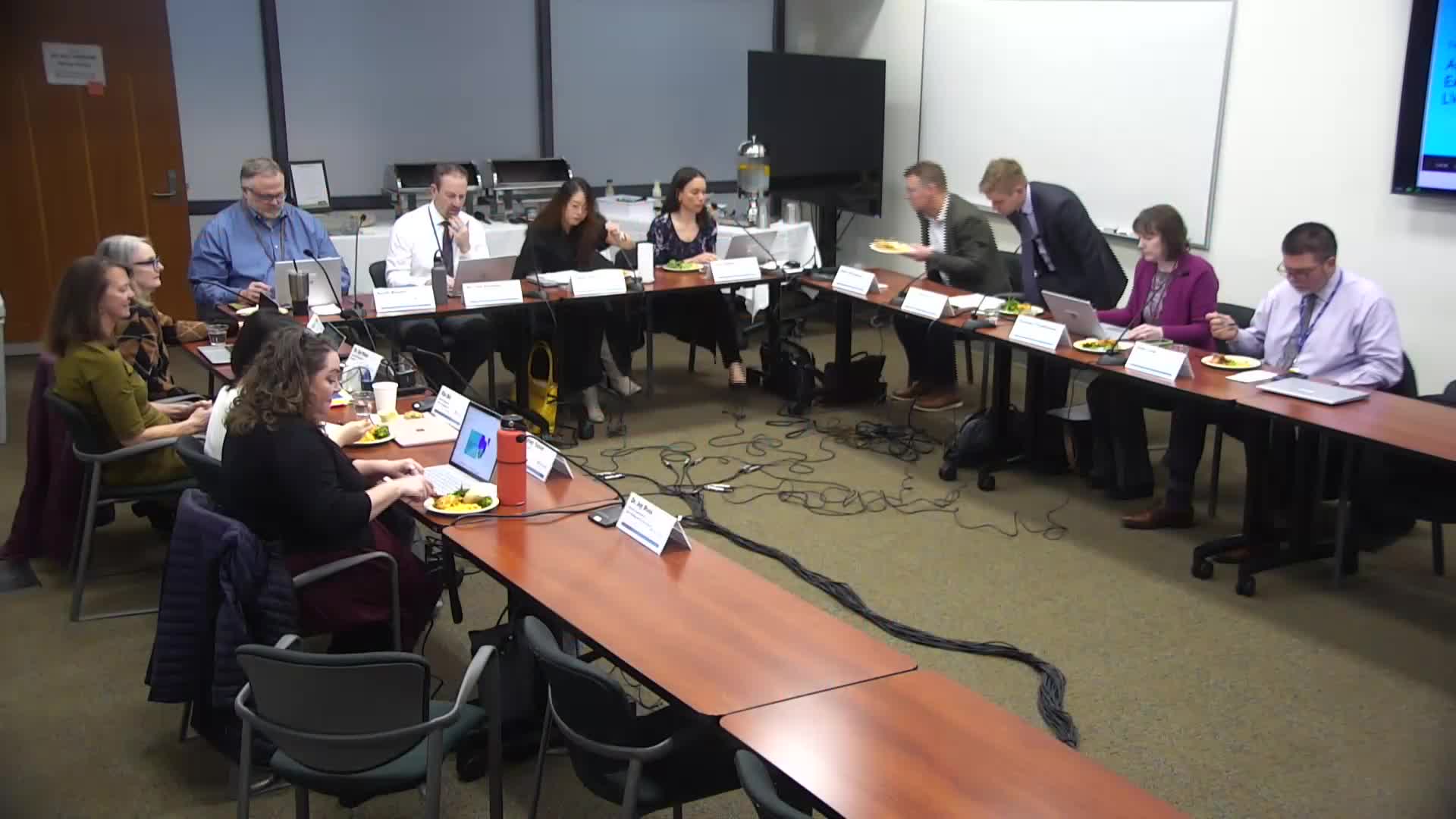
The Lake Washington School District board held a study session Feb. 10 to review early-literacy progress and next steps for K–3 instruction, hearing presentations on screening data, classroom practices and planned system changes.
Director Kelly Pease told the board that the district uses a universal screener (FastBridge) three times a year and is looking for an 80 percent baseline of students meeting grade-level expectations while accelerating supports for students furthest from educational justice. "We take reading for granted. We often forget that literacy is the foundation of all learning," Pease said.
Pease described classroom structure and instructional materials the district is using or piloting: a consistent 90-minute literacy block with 20–30 minutes of whole-group instruction and differentiated small-group instruction the remainder of the block; Heggerty for phonemic awareness whole-group practice; Wonders as the district core curriculum; and a pilot of UFLI (an evidence-based program from the University of Florida) in several K–2 classrooms. She said district leaders plan to expand UFLI so it will be required in K–2 and used in third grade as needed.
The presentation highlighted specific elements of classroom practice the district expects: data-informed small groups, student discourse, culturally responsive materials, and blending reading, writing, speaking and listening across content such as science and social studies. Pease said the district is creating "word work bundles" and intermediate-grade materials focused on morphology to support students in grades 3–5 who still need foundational skills.
Staff presented district data from the R2 review showing upward movement for currently enrolled multilingual learners and noted differences across student groups. Pease said the district has increased multilingual acceleration in some measures and cautioned that reading scores are one part of a four-domain multilingual profile measured by WIDA (reading, writing, listening, speaking). She also called attention to a cohort effect from remote learning: "We have 2,000-plus students enrolled in third grade but only 1,148 of them have been with us since kindergarten," a group that includes students whose early learning was affected by remote instruction during COVID.
Board members and staff discussed how the district communicates screener results to families. Pease said teachers are encouraged to send family FastBridge reports and that targeted communications already occur for students qualifying for safety-net services, but also acknowledged district-level explanatory materials could be improved: "FastBridge is 20 minutes 3 times a year ... it's a dipstick, and it's meant to point us a direction to get more data," she said.
Panelists described program and implementation choices intended to raise classroom practice and support teachers: ongoing professional learning, MTSS coaches working with grade-level teams alongside multilingual and special-education staff, and a task force to develop a three-year plan to reach the district goal of students reading at grade level by third grade. Pease said principals will be supported to conduct focused classroom learning walks and instructional coaching.
Speakers noted some tools the district monitors for appropriate use. Pease said Lexia and other digital programs can be useful but warned against overuse: the district guidance cited a recommended Lexia practice of 45 minutes per week (three 15-minute sessions) so students have time to consolidate learning. She also described the rationale for piloting UFLI before broader adoption to refine professional learning and implementation strategies.
On system-level decisions and budget alignment, a district leader said the superintendent and leadership team are prioritizing reinvestment of funds to reduce K–3 class size as part of the approach to accelerate early learning, calling smaller classes an investment that "pays dividends" for students’ later success.
No formal board action or vote on curriculum adoption or budget changes occurred during the study session. The board paused for questions from members and the student representative, then adjourned the Feb. 10 study session.
The district plans to vet the reading task force's three-year plan with stakeholders and begin staged implementation of high-leverage classroom and building practices next school year, with continued attention to multilingual learners, students with IEPs and students affected by remote instruction.