Get Full Government Meeting Transcripts, Videos, & Alerts Forever!
Get email alerts on the Education Desegregation topic
No spam. Unsubscribe anytime.
Huntsville City Schools to seek partial unitary status for faculty, facilities and extracurriculars
Summary
Counsel for Huntsville City Schools told a community meeting that the district will seek a court declaration of partial unitary status for faculty and staff, facilities and extracurricular activities and is accepting public comment through March 18.
HUNTSVILLE, Ala. — Counsel for Huntsville City Schools told a community meeting that the district plans to ask a federal court for partial unitary status for three desegregation “green factors” — faculty and staff, facilities and extracurricular activities — saying the district has satisfied the consent order requirements for those areas.
The filing would ask the court “to be released from the court’s oversight,” counsel Chris Pape said, describing the motion as recognition that the district has eliminated the vestiges of de jure segregation in those three areas. Pape said the district will seek board authorization to file the motion after a public comment period closes and that the earliest date the board would consider authorizing filing is March 25.
If the court grants partial unitary status for the three green factors, Pape said, that will narrow the remaining subject areas under federal supervision but will not end the overall desegregation case. He listed student assignment, equitable access to course offerings and student discipline as the three remaining green factors that would still be under court oversight if the motion is granted.
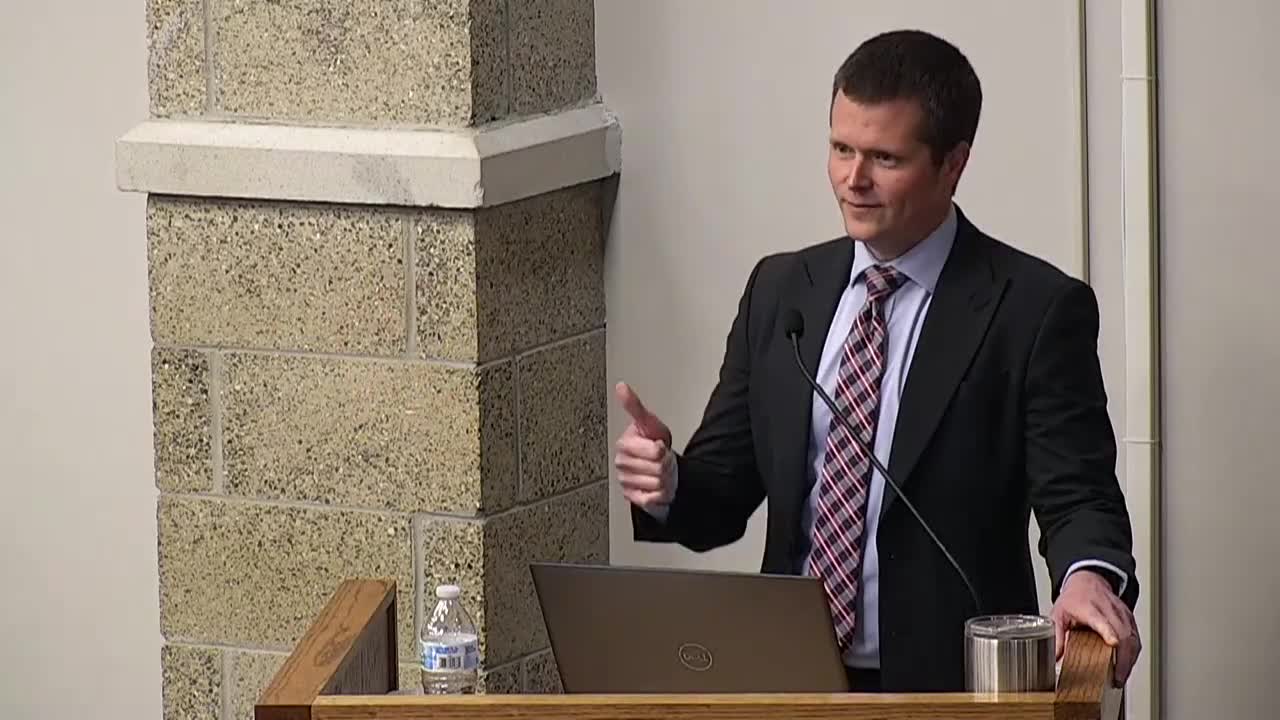
At the meeting, Pape — who identified himself as “one of the counsel for the Board of Education” — said the district has posted the brief in support of the motion and supporting affidavits, including from the superintendent and Billy Priest, the district’s maintenance construction director, on the district website and that the Desegregation Advisory Committee also is accepting feedback.
Pape reviewed the timeline the legal team has used: the district previously filed a motion for unitary status for faculty and staff; parties met and identified three additional factors the district might be near satisfying by Feb. 1, 2024; the district sought and received court approval of a 10-year capital plan in September 2024; and the legal team exchanged revisions with the United States Department of Justice through February 2025 before presenting the current materials to the board on Feb. 18, 2025. The public comment period for the proposed motion will remain open through March 18, 2025, Pape said.
Pape emphasized that the capital plan, which the court approved in September 2024, remains in effect and that approval of partial unitary status for facilities would not change the district’s obligation to follow that plan. “If we’re going to deviate from that plan … we would at least need to notify the court, especially before we’ve earned unitary status,” he said. Billy Priest confirmed to the presenter that the projects and dates in the capital plan were “staying according to plan.”
Pape described the district’s objective as seeking a motion that is unopposed by the United States and the local plaintiffs’ counsel; he said the court may or may not hold a hearing and that, if the motion is unopposed, a judge might rule without a hearing. He also said the district has the option to appeal an adverse ruling to the U.S. Court of Appeals for the Eleventh Circuit, which covers Alabama, Georgia and Florida.
No formal vote or board action occurred at the community meeting. Pape said the district will present the request to the board for authorization to file the motion on or after March 25; if the board authorizes filing, the legal team expects to finalize documents and submit the motion to the court in April. The district will monitor comments left on the website and may create a frequently asked questions document addressing common concerns.
How the public can comment: Pape said the district posted the brief, affidavits and an executive summary on the district website and encouraged the public to use the site’s community input link or to contact the Desegregation Advisory Committee. The district set a limit of three minutes per in-person speaker for tonight’s meeting and said online comments will be reviewed during the public comment period.
Background and context: Pape described partial unitary status as a judicial recognition that the district has satisfied the consent order in specific areas; it “does not completely close out our case,” he said. He warned that the school system remains subject to other federal legal claims, including potential discrimination or harassment lawsuits, even if the court grants partial unitary status in the three green factors.
Members of the public were not identified as speakers during the meeting. The presenters invited further questions through the district’s communications channels and said they would track and respond to comments received during the public comment period.