Get Full Government Meeting Transcripts, Videos, & Alerts Forever!
Get email alerts on the Correctional Healthcare topic
No spam. Unsubscribe anytime.
Champaign County approves pilot to fund 24/7 inmate medical coverage from jail commissary
Summary
The county board approved a $182,782 budget amendment to pilot round‑the‑clock nursing coverage at the Champaign County Jail using inmate commissary funds; supporters said it could reduce liability and improve care, while members urged follow‑up analysis on long‑term costs.
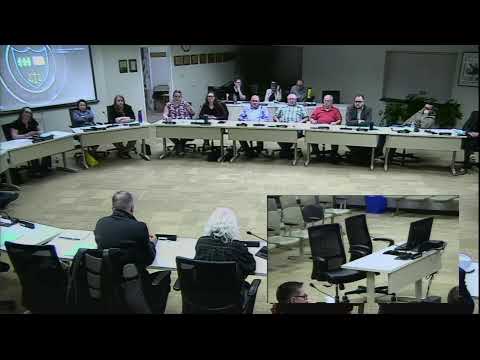
Champaign County board members on March 11 approved a budget amendment to use jail commissary funds to pilot 24‑7 nursing coverage at the Champaign County Jail.
The pilot — approved by the board as budget amendment BUA 2025‑3‑10 for $182,782 — will expand the current inmate health contract to provide at least one registered nurse on site at all hours beginning in May and continuing through the end of fiscal year 2025, with remaining months of the pilot to be paid from the commissary fund, the sheriff’s office told the board.
Board members said the move is not coming from the county’s general fund and that a legal opinion supports using commissary funds for inmate welfare. Sheriff’s Office staff explained that commissary revenues come from sales of optional items such as snacks and other inmate purchases and that state law requires those funds to be used for inmate benefit.
Supporters — including board member JJ and others — said the pilot is a lower‑cost way to evaluate whether 24‑7 coverage should be included in the next multi‑year health care contract for jailed inmates. The sheriff’s office described the change as allowing nursing staff to triage routine overnight medical needs that currently result in hospital transports or placed responsibility on correctional officers.
“...we were presented with this opportunity to extend our current contract and add that 24‑7 coverage, and I thought it was a good opportunity to kind of evaluate it,” the Sheriff (name not specified) told the board. The sheriff added the pilot will let the county test whether to include similar coverage when requesting proposals later in the year.
Board members pressed for additional financial reporting and analysis. One member asked for a running total of amounts drawn from the general fund in prior months; finance staff said work is underway to present that detail. Several members asked the sheriff for usage data: the sheriff’s office said roughly 75 inmates were housed out of county at the time of the meeting and that construction on the new jail was expected to allow inmate returns beginning in April, though exact timing remains contingent on construction and classification.
Members raised questions about long‑term funding. “It is important to note that thinking that that fund can sustain this long term is not tenable,” board member Stephanie said, and several members said that is why the county should treat the expanded coverage as a pilot and return with data during the next budget cycle.
The motion to approve the $182,782 appropriation from the Jail Commissary fund for the 24‑7 pilot passed after discussion. The board asked the sheriff’s office to report back with performance and cost data during and after the pilot so the board can evaluate whether to include the coverage in the longer‑term inmate health contract.
The board also approved, earlier in the meeting, a separate $150,000 appropriation to the correctional center general corporate fund to cover out‑of‑county boarding while construction continues; county staff said that request is for ongoing out‑of‑county housing costs and that additional requests may be needed if inmate returns are delayed.
The board recorded no change to the county’s general fund for the commissary pilot; members noted that any unused commissary funds would remain in that restricted fund at fiscal year end.