Get Full Government Meeting Transcripts, Videos, & Alerts Forever!
Get email alerts on the Reproductive Health topic
No spam. Unsubscribe anytime.
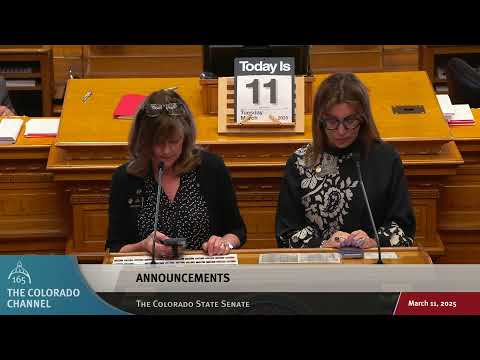
Senate passes bill to expand abortion coverage to Medicaid and public plans after heated debate and failed amendment
Summary
The Colorado Senate passed Senate Bill 183 on March 11, 2025, a measure directing state programs and public employee plans to cover abortion care; an amendment to make coverage permissive rather than required failed after extended floor debate focused on fiscal and conscience concerns.
The Colorado Senate on March 11 passed Senate Bill 183, which directs the Department of Health Care Policy and Financing and public employee insurance plans to cover abortion care services for eligible enrollees. Majority Leader Angela Rodriguez moved the bill with supporting committee reports from Appropriations and Judiciary, and senators debated funding and conscience-related concerns before the body approved the measure.
Supporters said the bill implements Amendment 79 — approved by voters in November — by removing financial barriers to access. Senator Kevin Doherty, a sponsor and floor proponent, said the bill “implements the will of the voters” by ensuring Medicaid enrollees and state employees can obtain abortion care regardless of income or employment status.
Opponents argued the statute goes beyond what voters intended and amounts to a state-funded mandate. Senator Faith Bridal (opposing) said Amendment 79 permitted coverage but did not authorize the state to require public plans to pay for abortion services, and she pressed the Senate to adopt an amendment that would change mandatory language (“shall”) to permissive language (“may”). Senator Bridal and other opponents also cited the fiscal note and warned of higher Medicaid and insurance costs if the state is required to pay for these services.
An amendment (L002) to replace “shall” with “may,” offered on the floor to make coverage permissive, failed. Senator Daniel Bright moved the amendment, arguing it would respect voters’ permissive language and conscience objections; supporters of the bill opposed the change, saying it would frustrate the voter-approved goal of removing barriers. The amendment did not pass and was recorded as failed on the floor.
After debate, the Senate adopted the bill. Sponsors and backers framed it as restoring and securing access to reproductive health services for low-income Coloradans and state employees. Opponents emphasized conscience and fiscal concerns, including potential upward pressure on insurance premiums and Medicaid spending; several senators said they would vote against the bill for those reasons. The final voice vote resulted in passage of SB 183.
Because the bill directs coverage under Medicaid, Child Health Plan Plus and public employee plans, its implementation will involve the Department of Health Care Policy and Financing and plan administrators. The Appropriations Committee reported that ongoing funding and appropriations language were included in committee action; the committee noted the bill’s funding mechanics during floor remarks but the fiscal note—cited repeatedly in debate—was the subject of disagreement about scope and projected cost.
The Senate’s action sends the measure to the next steps prescribed by statute for enactment. The transcript shows the principal floor actions were: (1) motion to adopt the committee reports and move the bill forward; (2) a floor amendment (L002) to change mandatory coverage language to permissive, which failed; and (3) final passage by the Senate.