Get Full Government Meeting Transcripts, Videos, & Alerts Forever!
Get email alerts on the Real Property Recording topic
No spam. Unsubscribe anytime.
Panel backs change to ease recording of deeds that use earlier "meets and bounds" legal descriptions
Summary
The committee advanced Senate Bill 23‑56 after testimony from title companies and county recorders about repeated rejections of deeds that use the same "meets and bounds" legal description as prior recorded instruments. Proponents said the change will reduce closing delays, unnecessary surveys and added costs.
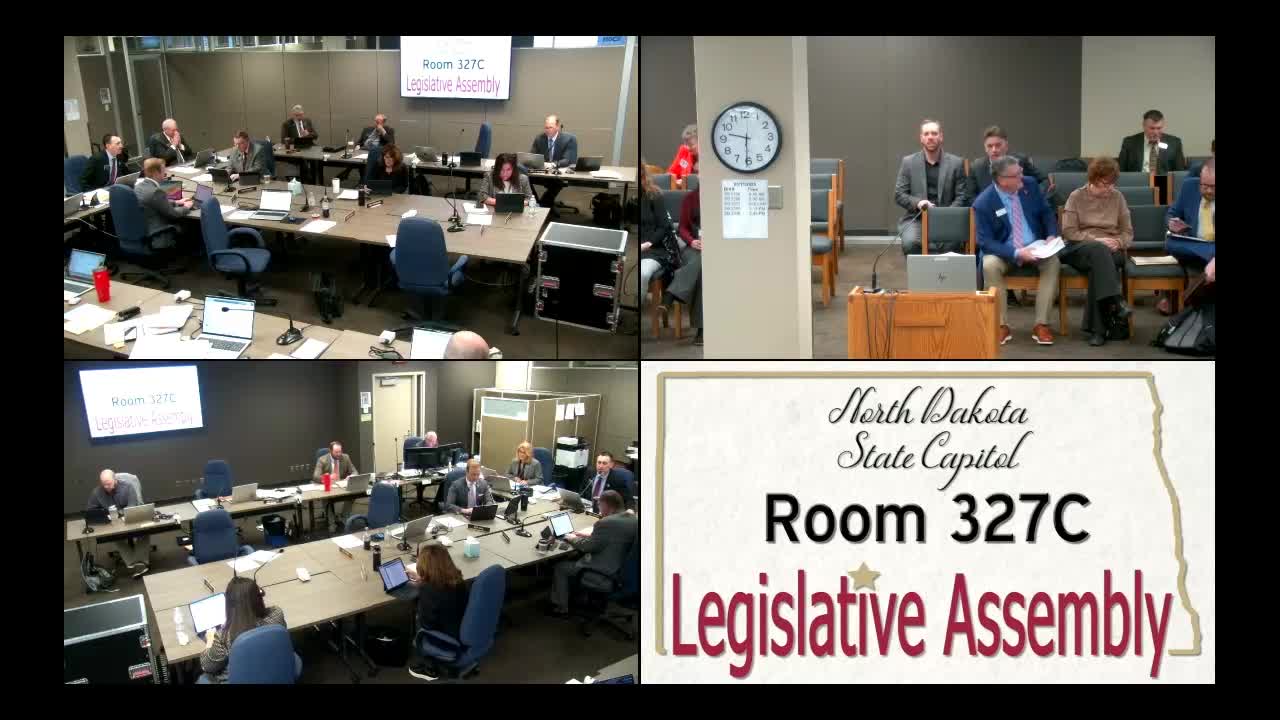
The House Industry, Business and Labor Committee advanced a bill intended to reduce multi‑week or multi‑month delays when county recorders reject deeds that repeat an earlier "meets and bounds" legal description.
Title agents and land‑title professionals told the committee that a common closing scenario places buyers at risk when money is exchanged but a deed is rejected and the county requires a certificate of survey or a plat before it will accept recording.
Why it matters: Witnesses said rejected deeds create a gap between the closing and recording that can expose buyers to liens that are recorded against the seller in the interim, including new mortgages, tax liens, construction liens or other encumbrances.
What the bill does Senate Bill 23‑56, as amended, directs county recorders not to reject a deed for recording when the same "meets and bounds" legal description was used in a prior recorded conveyance and the property appears in tax records. Proponents said the change preserves the recorder27s broader authority under North Dakota Century Code chapter 57 to require platting where necessary, but prevents routine rejections that force a buyer to pay for a survey at closing.
Real‑world examples and costs Nick Hacker of the North Dakota Land Title Association described a case in which a deed that used the same legal description as an earlier recorded deed was rejected; resolving the rejection required a certificate of survey that cost about $3,200 and delayed the closing roughly two months. Hacker said the title company ultimately paid survey costs in that instance and that this type of rejection occurs differently across counties and happens "a couple hundred times a year."
Paula Bachmeier, a long‑time abstract/title practitioner, described transactions in which a deed was rejected after money had been disbursed and the seller died, forcing probate and causing failed transactions and loss of funds for buyers.
Support and neutral testimony Supporters included the North Dakota Land Title Association, the North Dakota Bankers Association and the state bar27s real property section. Blaine Johnson, chair of the State Bar Association27s real property section, said the bill focuses on the recording gap between closing and recording rather than on title searches conducted earlier in the closing process.
The North Dakota State Board of Dental Examiners and others provided unrelated neutral testimony on other bills during the hearing; county recorders had been involved in drafting amendments to narrow the language and avoid unintended consequences, witnesses said.
Vote and next steps The committee voted to pass the bill as amended on a roll call. Representative Volmer agreed to carry the bill to the House floor.
Ending Supporters told the committee the bill balances the county27s authority to require plats when necessary with routine recording needs, reducing costs and delays for ordinary residential and rural conveyances.