Get Full Government Meeting Transcripts, Videos, & Alerts Forever!
Get email alerts on the Law Enforcement Equipment topic
No spam. Unsubscribe anytime.
Commissioners approve $240,509 purchase of 51 body-worn cameras using Senate Bill 22 funds
Summary
Walker County Commissioners on March 10 approved buying 51 body-worn cameras and related systems, to be funded with Senate Bill 22 money; county staff said prepaying five years would save $88,482.25.
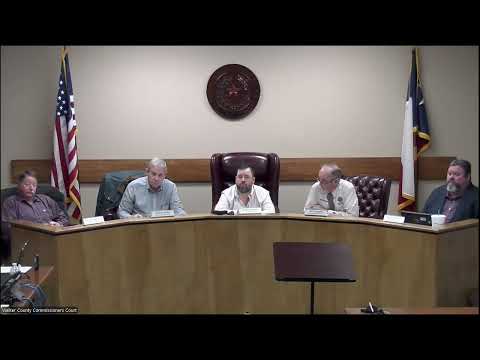
Walker County Commissioners Court on March 10 approved a $240,509 purchase of 51 body-worn cameras and related hardware and services, to be paid from funds identified with Senate Bill 22.
County law enforcement officials told the court the package includes camera units and data cards that allow supervisors and dispatch to view cameras live and that wireless downloading will begin automatically when deputies return to the office. The presenter said paying five years in advance would reduce the overall cost by $88,482.25.
The county presenter described operational benefits: supervisors and dispatch could “dial in and actually see what that camera is seeing live,” and automatic wireless downloads would reduce long local transfer times. He also gave the total cost figure and the 5-year prepay savings, telling the court the five-year total is $240,509 and the up-front savings would be $88,482.25.
On recurring costs for the cellular data cards the presenter said the per-device card cost is about "$37.90–$38 a month" and that 51 devices would therefore represent an ongoing monthly service cost. He also said he planned to use grant funds, stating, “I plan on paying it out of this grama. It's $23,249,” while noting ongoing budget discussions would follow.
Commissioners discussed equity for other county law-enforcement providers if state bills that would allocate funds to constables and other officers do or do not pass. The presenter said a House bill under consideration (referred to in the discussion as House Bill 3253) would provide up to $150,000 per precinct if enacted; if it does not pass the item would be revisited during the county budget process to consider providing similar equipment for constables and other local officers.
The court moved and passed approval of the purchase during the meeting. No detailed vote tally by member was recorded in the public transcript.
Implementation notes: the presenter said the package includes software and evidence-management integration with existing systems the county has purchased. He said Motorola (a named vendor referenced during the discussion) would replace cameras if the manufacturer issues an upgrade within an agreed timeframe.
The county indicated the purchase would be included in budget discussions to determine ongoing operational funding for data and maintenance.
Ending: The court approved the purchase and directed staff to proceed with the contract and follow-up budget planning for recurring costs.