Get AI Briefings, Transcripts & Alerts on Local & National Government Meetings — Forever.
Paris Police report finds no racial-profiling complaints in 2024; consultant outlines stop and search statistics
Loading...
Summary
A consultant presenting the Paris Police Department’s 2024 traffic-stop analysis told the City Council the department complied with Texas law and received no complaints alleging racial profiling; the report details stops, searches and arrest reasons.
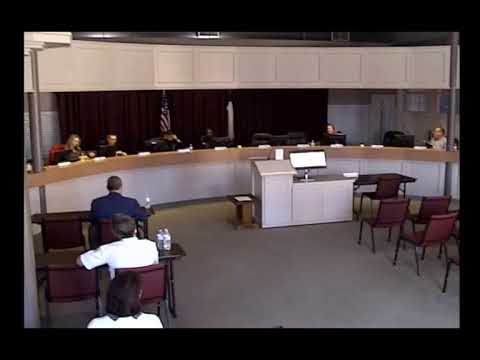
Dr. Fritz, a consultant contracted by the Paris Police Department, told the Paris City Council on March 10 that the department’s 2024 traffic-stop data showed compliance with Texas law and that the department did not receive any complaints alleging racial profiling in 2024.
The report covers 4,512 traffic stops conducted by the Paris Police Department during calendar year 2024 and was prepared for submission to the Texas Commission on Law Enforcement (TCOLE). "First thing we do is we make sure that this the city is in compliance with, the Texas code of criminal procedure," Dr. Fritz said as he described the review process.
The consultant said the analysis compares stop and outcome rates by race and ethnicity, but he cautioned limits on interpretation because census data is not an exact benchmark for driving populations and officers rarely know a motorist’s race or ethnicity before a stop. "In 2024, Paris Police Department did not receive any complaints alleging that a peace officer employed by the agency engaged in racial profiling," Dr. Fritz said.
Key figures presented in the report: the city recorded about 4,512 traffic stops in 2024; 61.35% of stops listed white motorists, compared with a city population share the consultant reported as 56.6% white. More than 80% of stops resulted in a warning (verbal or written). Arrests were driven largely by outstanding warrants (about 60% of arrests) and by violations of criminal statutes (about 37% of arrests).
Searches occurred in 15% of stops (664 searches). The two most common bases for searches were consent (42% of searches) and probable cause (35%). Overall, 6.2% of the department’s stops produced a consent search. The contraband "hit rate" — searches that resulted in evidence — was 47%, matching the state average; most contraband found was drugs (59% of finds), the report said.
A councilmember asked whether the higher arrest rates among minority motorists reflected higher rates of outstanding warrants: "So you're saying the minorities are more likely to have the outstanding warrants?" the member asked. Dr. Fritz replied, "They're they're more likely to be arrested," adding that among those arrested in 2024, black motorists were more likely to have arrest warrants.
Council discussion focused on understanding the tables and what percentage representations mean; Dr. Fritz explained differences between row and column percentages and emphasized the report’s comparative analyses on post‑stop outcomes rather than pre‑stop benchmarks.
The presentation concluded with the consultant offering to answer questions; councilmembers expressed appreciation for the clarity and for the department’s compliance with state reporting requirements.
The department has already re-submitted its report to the state, the chief said during the presentation.