Get Full Government Meeting Transcripts, Videos, & Alerts Forever!
Get email alerts on the Staffing Allocations topic
No spam. Unsubscribe anytime.
Madison parents and teachers urge district to restore staff after referendum as allocations cut
Summary
Dozens of parents, teachers and students urged the Madison Metropolitan School District to reverse proposed staff allocation cuts — including music and bilingual supports — arguing the 2024 operational referendum and rising enrollment should prevent reductions.
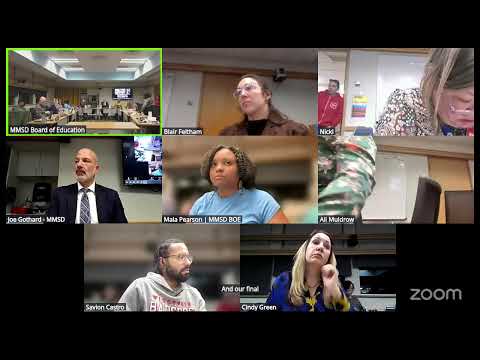
Dozens of parents, teachers and students told the Madison Metropolitan School District’s Operations Work Group on March 10 that proposed staff allocation cuts will harm classroom learning and widen inequities after voters approved a 2024 operational referendum.
Speakers described specific school-level losses they said are already planned and asked the district to reexamine the allocation model and improve communication with school communities.
The comments came during the meeting’s public-comment period and during a subsequent staffing-and-allocation update presented by district staff. Speakers said that some schools face cuts despite rising enrollment and that reductions in arts, special education and bilingual supports will disproportionately affect lower-income families and English learners.
“My name is Jen Strait. I’m here tonight representing over 200 Bell Phillips Memorial High School families, students, alumni, Madison taxpayers,” said Jen Strait, who urged the district to reverse proposed reductions to music staffing at BPM. Strait told the panel she had submitted a letter signed by more than 200 supporters and said projected music enrollment had increased by “over 115 students” while “proposed FTE is decreasing by 0.2.”
Other speakers gave school-specific figures. West High chemistry teacher and department chair Jen Carlin said she was told West would lose 6.451 FTE for next year, and she warned the cuts would push class sizes beyond district recommendations and reduce course offerings including swim and lifeguard training. A sixth-grade teacher at O'Keefe who identified herself as both a parent and staff member said O'Keefe faces a loss of 3 FTE and listed the likely program impacts: “the loss of 1 core sixth-grade teacher, 2 SEAs, 2 sections of gym, 2 sections of art, 2 sections of makerspace, 1 section of orchestra, 0.5 special ed teacher, and 0.1 miscellaneous probable math interventionist position.”
Blackhawk Middle School teachers and a student speaker said middle-school enrollment is rising; teacher Izzy Cooley said Blackhawk’s 2025–26 enrollment is projected to be nearly 9% higher than the current year, and she argued cuts would leave larger class sizes and fewer course choices as housing projects in the area add new units. Several bilingual staff from East High urged restoration of bilingual resource specialists and cautioned that larger classes would make it impossible to meet English‑learner and IEP requirements.
Several speakers framed the cuts as a breach of voters’ expectations. “Residents of Madison voted to pass the 2024 operational referendum expecting school curricula to be fully funded, not cut,” Strait said. Multiple speakers said they had campaigned for or voted for the referendum and now feel betrayed.
District officials said the staffing allocations come from an established workbook model that uses December enrollment projections, board class‑size policy bands and federal and categorical funding rules (including Title I and special‑education formulas) to determine base allocations. The district also described an established conversion and review process that allows principals and central staff to request reallocations after the initial workbook release; staff said about 100 conversions were processed between the workbook release and the end of the review window. Superintendent Dr. Gothard (addressed in the meeting as “Doctor Gothard”) told the board she wants clearer processes and earlier communication, and she asked the board for direction about whether to reallocate other district (non–school‑facing) resources to relieve school budget gaps.
Board members and administrators acknowledged the political and emotional weight of the cuts, noting the district is still implementing staffing and compensation changes adopted earlier and that the 2024 referendum added $30 million this year but that other cost pressures persist. District finance staff presented preliminary projections showing roughly $40 million in additional recurring revenue available for 2025–26 (including the referendum), and initial estimates of recurring cost pressures—including compensation steps, projected COLA and benefit increases—ranging from about $25 million to $30 million. Board members said they want clearer breakdowns of allocation decisions and better school-level communication; several urged the district to prioritize classroom‑facing staff and minimize disruption to programs that support students with the greatest need.
Votes at a glance
- Motion to approve the minutes of the Feb. 10, 2025 Operations Work Group meeting — moved by Chair Castro; seconded by Board Member Muldrow; motion carried (tally: 6 yes, 0 no). - Motion to change the order of the agenda to move staffing allocations earlier — motion made and seconded; motion did not carry. - Motion to adjourn (move to staffing/allocation discussion) — motion carried.
The board’s conversations and the district’s financial presentation signaled that administrators will return with more-detailed budget scenarios. Superintendent Gothard asked board members for any specific direction on reallocating district-level resources and said staff will refine a proposed 2025–26 budget that includes compensation options and projected health‑insurance costs.
The meeting closed after the staffing and budget discussion; board members said they intend to continue the allocation and budget work in April and in the run‑up to the June budget votes.