Get Full Government Meeting Transcripts, Videos, & Alerts Forever!
Get email alerts on the Environment Wildlife topic
No spam. Unsubscribe anytime.
Residents urge Planning Commission to help protect western spadefoot habitat near Village 5; staff to refer concerns to City Council
Summary
Three public speakers told the Planning Commission they have documented western spadefoot amphibians and urged mitigation in the Village 5/7 planning area. Commissioners did not take formal regulatory action but staff and the city attorney said they would refer the information to City Council and the Village 5 developer.
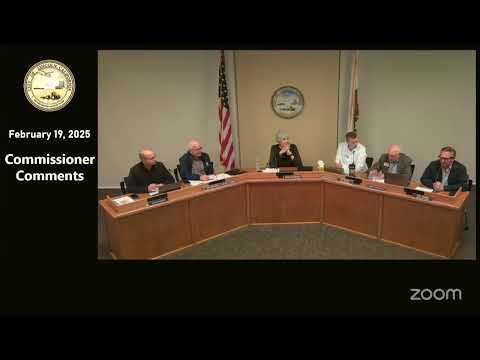
Speakers at the Feb. 19 City of Lincoln Planning Commission meeting asked the commission to help protect a potentially rare population of western spadefoot amphibians found west of Lincoln near Moore Road and portions of the Village 5/Village 7 planning area.
The appeals were made during the public comment period. Marcia Schnapp, a board member of Friends of the Lincoln Crossing Nature Preserve, said the preserve and nearby open space are part of what “makes the city of Lincoln so special,” and urged the commission to work with staff and developers on mitigation measures to reduce road mortality and other development impacts. “Part of the mitigation may include raising the road bed,” Schnapp said, calling for designs that allow passage beneath roadways.
River Steen, who described multiple recent spadefoot road mortalities he has observed along Moore Road, told the commission the animals depend on seasonal vernal pools fed by the Auburn Ravine watershed and that “spadefoots cannot survive extensive habitat modification.” Steen recommended mitigation used elsewhere in California, including elevated roadways and amphibian underpasses that the U.S. Geological Survey has identified as best practices.
Catherine Verru Slater, who said she is the outings chair for the Sierra Club Placer Group and a former attorney with the California Department of Fish and Wildlife, told commissioners that the California Department of Fish and Wildlife lists the species as a “priority 1 species of concern” and that the U.S. Fish and Wildlife Service has proposed listing the western spadefoot under the federal Endangered Species Act. She said Village 5’s specific plan includes language to “preserve and promote natural resources” but that she did not see evidence of spadefoot surveys in the plan materials.
Planning staff and the city attorney noted the Planning Commission can only act on noticed agenda items. The city attorney said the information could be referred to City Council and to the Village 5 developer for follow-up. “Certainly. I can certainly, refer this information to our city council. We can also refer it to the majority developer in Village 5,” the city attorney said.
Commissioners did not adopt regulations or direct a formal mitigation program at the meeting. Instead, staff and the city attorney said they would forward the public comments and related materials to City Council and to the Village 5 developer for consideration and possible action at the legislative level.
The presenters asked staff to consider mitigation that minimizes vehicle strikes (for example, raised road segments with passageways beneath), targeted biological surveys in the project footprint, and coordination with schools and the Auburn Ravine watershed protections already described in the Village 5 specific plan. Commissioners and staff indicated they would pass the information on to the appropriate bodies for further review.
If and when the City Council or developer take onmitigation measures, those actions would be noticed and brought to the appropriate decision-making body for review and any necessary CEQA or project-level studies.