Get Full Government Meeting Transcripts, Videos, & Alerts Forever!
Get email alerts on the Elections topic
No spam. Unsubscribe anytime.
Senate adopts schedule reforms for special municipal elections, closes 'Atlantic Beach' loophole; second reading passes 40-0
Summary
A bill creating fixed dates for most special municipal elections and clarifying procedures to prevent last‑minute candidate switches advanced on a unanimous second‑reading vote; sponsors said the law will reduce administrative burden for election officials.
Senate Bill 38, a measure to standardize dates for special municipal elections and to tighten procedures for reopening filing after late withdrawals, advanced in the Senate and received a unanimous second reading Tuesday.
Sponsor Senator Campson said the bill provides five state‑established dates municipalities may use for special elections — the fourth Tuesday in January; the first Tuesday after the first Monday in April; the second Tuesday in June (primaries only in even years); the fourth Tuesday in August; and the first Tuesday after the first Monday in November — and preserves longer timelines for U.S. House and state legislative vacancies (11‑week primary, 20‑week general) where federal or legislative timing warrants.
Lawmakers argued the change will reduce the burden on county and municipal election officials, who have faced many off‑cycle contests in recent years. Senator Campson noted that in 2023 there were special elections on 45 Tuesdays statewide and that election administrators have reported strain and difficulty retaining staff.
The Senate adopted a committee amendment and a further floor amendment that “closes the Atlantic Beach loophole,” a municipal‑election rule that previously required an incumbent to remain in office until any legal challenge was resolved, which in one reported case kept a newly elected official from taking office for more than a year. The floor amendment removed that special‑case provision for municipal contests and clarified procedures for contested municipal elections.
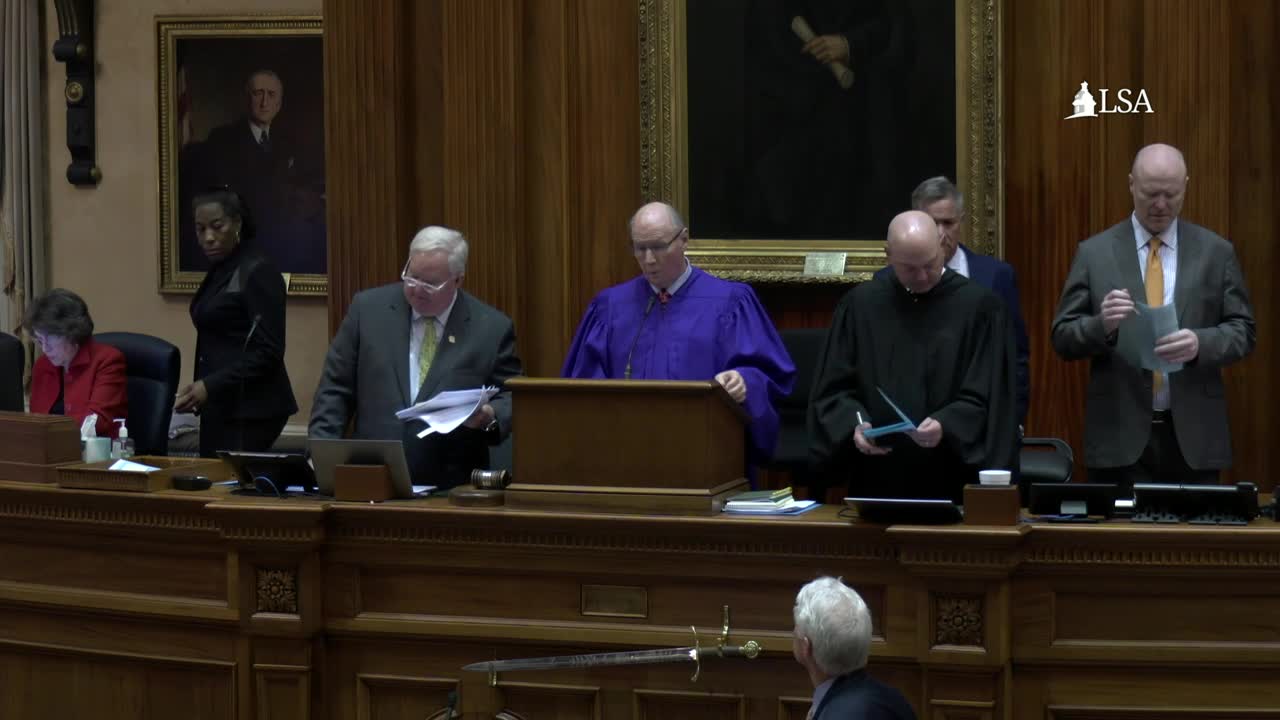
After debate and roll call, the Senate gave S 38 a second reading by recorded vote, 40‑0. Sponsors said the bill aims to reduce administrative cost and voter fatigue from unpredictable special‑election schedules.
Next steps: The bill will proceed through the normal legislative process; sponsors said counties and municipalities support the effort to bring greater predictability to special elections.