Get Full Government Meeting Transcripts, Videos, & Alerts Forever!
Get email alerts on the Government Finance topic
No spam. Unsubscribe anytime.
Senate reopens debate on making Comptroller General an appointed office; carries resolution over
Summary
Senators debated a joint resolution to remove the Comptroller General from the list of elected constitutional officers and make the post appointive; supporters argued the change strengthens executive accountability while others urged deference to an ongoing special committee. The measure was carried over.
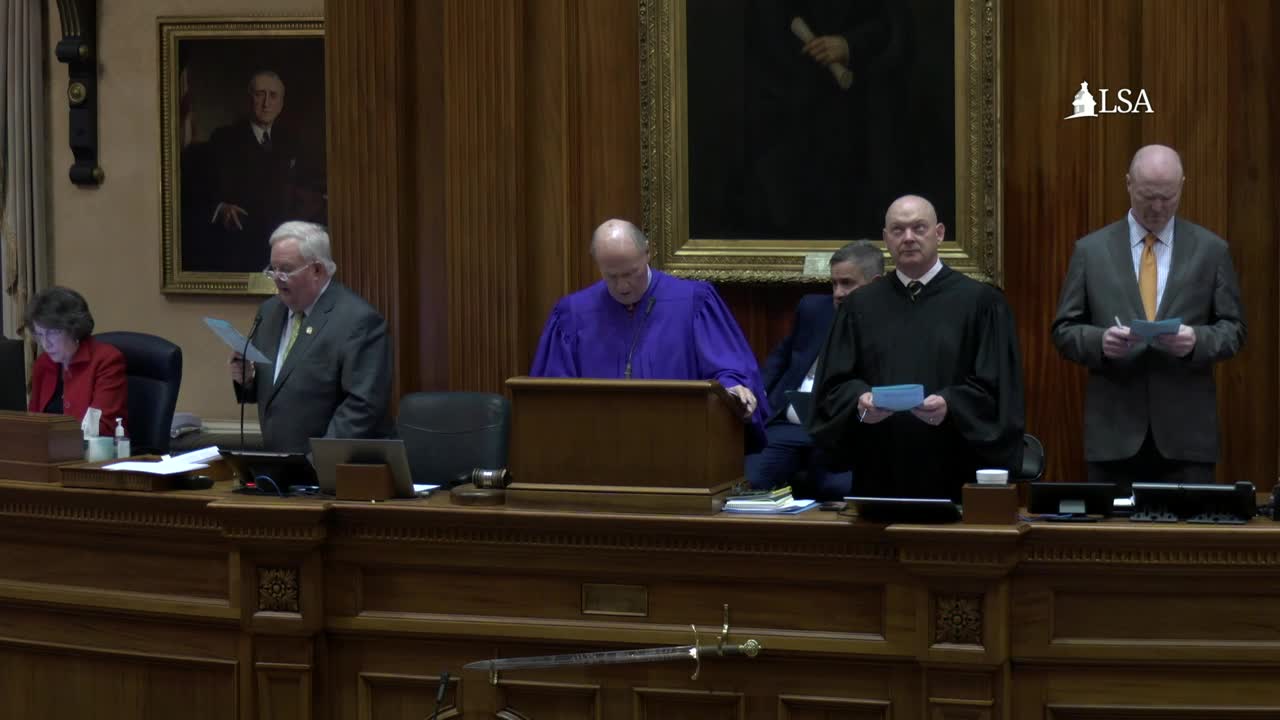
Senators reopened floor debate Tuesday on a joint resolution proposing a constitutional amendment to remove the Comptroller General as an elected office and make it an appointed position.
Senator Khamsin, sponsor of the resolution, told colleagues the office prepares South Carolina’s comprehensive annual financial report and coordinates key accounting functions and that making the position appointive would align it with executive branch responsibilities.
Proponents argued an appointed Comptroller General would allow the governor to ensure the officeholder has the professional financial qualifications needed to manage accounting and reporting for the state. Senator Khamsin said the Reconstruction‑era choice to elect the officeholder “was really yet another example of trying to remove power from the executive branch” and that modern governance requires competent, accountable executive appointments.
Other senators urged caution and deference to a special committee that has been examining broader fiscal‑office reforms. Senator Grooms and others said the committee has been working on related reforms to the treasurer and other offices and recommended continuing that work rather than expanding the resolution on the floor. Senators also raised concerns about separation of powers and preserving checks and balances among the governor, Legislature and auditor functions.
A range of technical questions was discussed on the floor, including how the change would interact with the State Fiscal Accountability Authority, the auditor function, and appointment powers for advisory boards. Several senators noted the amendment process for the state constitution requires a two‑thirds vote of each chamber and a majority vote in a general election.
Senators carried the resolution over for further consideration; sponsors said the subject remains an active work stream for the Legislature and that related proposals from the special committee may be considered separately.