Get Full Government Meeting Transcripts, Videos, & Alerts Forever!
Get email alerts on the Landlord Tenant Procedure topic
No spam. Unsubscribe anytime.
Bill would let magistrates handle ‘‘advice of rights’’ hearing in landlord-tenant cases, drawing mixed response
Summary
A bill introduced to allow district court magistrates to conduct the initial “advice of rights” hearing in landlord-tenant matters drew support from judges and realtors and opposition from legal-aid groups and at least one commentator who warned of constitutional and due-process concerns.
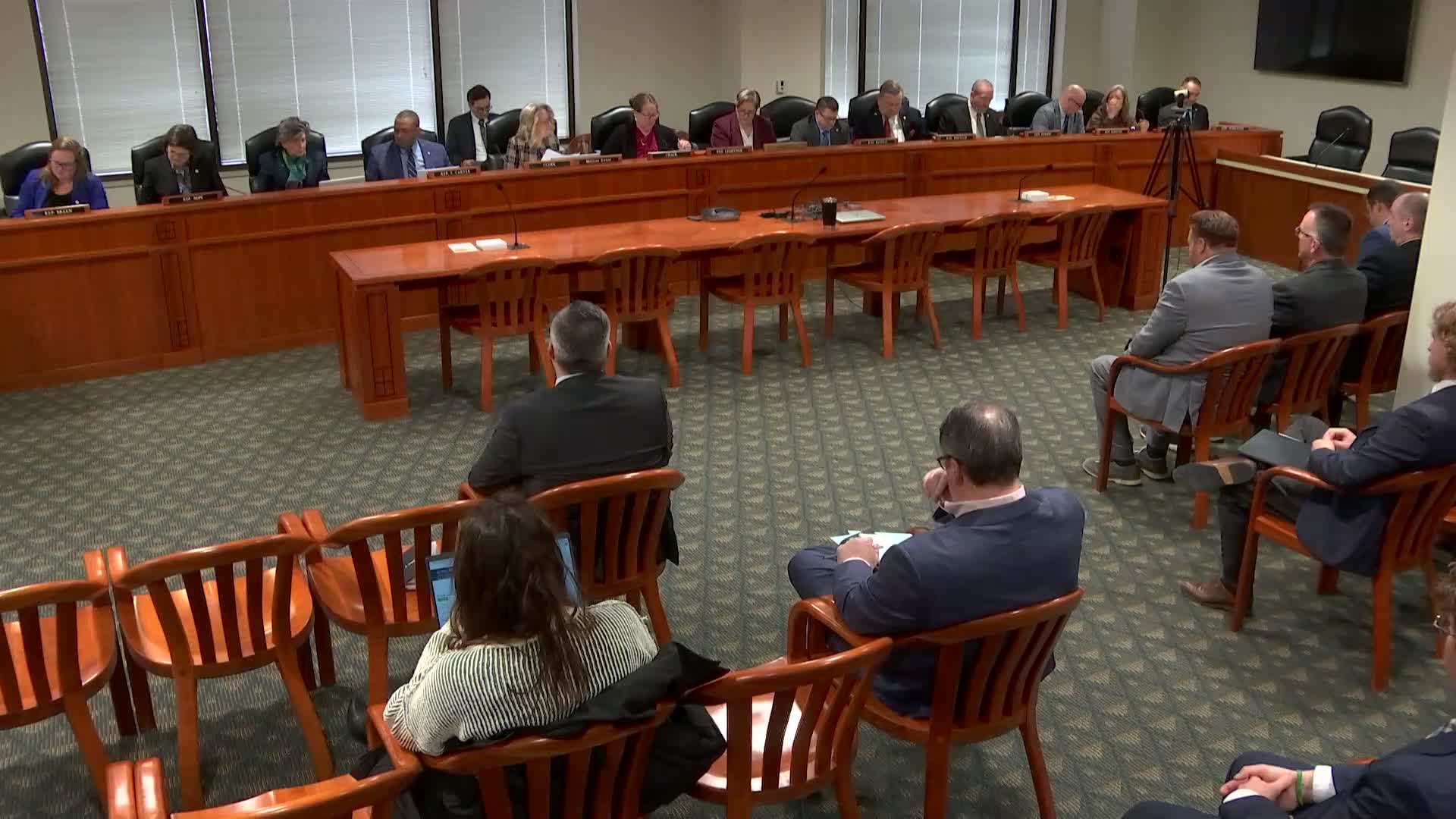
House Bill 40 21 would authorize district court magistrates to conduct the initial “advice of rights” hearing in landlord-tenant disputes, sponsor Rep. Matt Aragona told the Michigan House Judiciary Committee on Jan. 30. "So what this bill is looking to do is is codify those changes," Aragona said, referring to temporary COVID-era practice that allowed magistrates to handle the first, informational hearing.
The bill’s sponsor and several district court judges said the change would clear dockets and let judges focus on trials. Rep. Aragona said magistrates are legal professionals who can handle the procedural, informational aspects of the first hearing and that courts in his area support the change because it “clears up a lot of their docket.”
Why it matters: the “advice of rights” hearing is typically the first of two hearings in many eviction and landlord-tenant matters; it is not a final, appealable order. Proponents said allowing magistrates to manage that initial step could shorten delays and give tenants and landlords time to pursue resources or settlement before a judgment is entered.
Opponents warned the bill’s language may be too broad. Bruce Timmons, who testified in opposition, said existing practice limits magistrates and referees to nonfinal actions. "We don't have any instance right now where a historic, civil action is, heard, by district court magistrates," he said, and argued the change raises constitutional concerns tied to Article 6 of the Michigan Constitution. Timmons and others urged narrowing language to ensure magistrates do not issue final, appealable orders.
Committee members pressed sponsors on several points. Rep. Harris asked whether the temporary practice produced negative results during the COVID period; Aragona said he had “not heard of any negatives.” Rep. Breen supported the concept but asked the sponsor to consider amendments that would (1) limit magistrates to pretrial/advice-of-rights duties rather than trials, (2) require posting or notice so tenants are informed of rights and legal-aid resources, and (3) clarify judicial-resource impacts on magistrate caseloads. Aragona said he would work with stakeholders, including the State Court Administrative Office (SCALE), to refine language.
Committee staff read into the record written positions collected for HB 40 21: Sean Cecil of Michigan Realtors (supports, did not speak); Judge Karen Volvo of Michigan District Court Judges (supports, did not speak); Nathan Triplett for the State Bar of Michigan (supports, did not speak); Jim Shafsma of Michigan Poverty Law Program (opposes, did not speak); the Michigan Coalition Against Homeless (opposes, did not speak); and Bruce Timmons (opposed, spoke).
What the record shows and does not: witnesses and members repeatedly distinguished the advice-of-rights hearing from a final judgment. Committee members and the bill sponsor stated that appellate remedies attach to final orders, not the initial advice hearing. The transcript contains no committee vote on the bill during this hearing.
The committee will remain the venue for drafting technical amendments; sponsors said they will work with judicial stakeholders and legal-aid advocates on language to limit magistrate authority and explore notice requirements for tenants.