Get Full Government Meeting Transcripts, Videos, & Alerts Forever!
Get email alerts on the Special Education Cpac topic
No spam. Unsubscribe anytime.
Parents, CPAC press Wachusett district for clearer special-education plan and restored playground accessibility language
Summary
At a packed public hearing, CPAC leaders and parents urged the Wachusett Regional School Committee to address special-education service gaps, restore accessibility and age‑appropriateness language to the playground policy, and publish a clear short‑ and long‑term action plan.
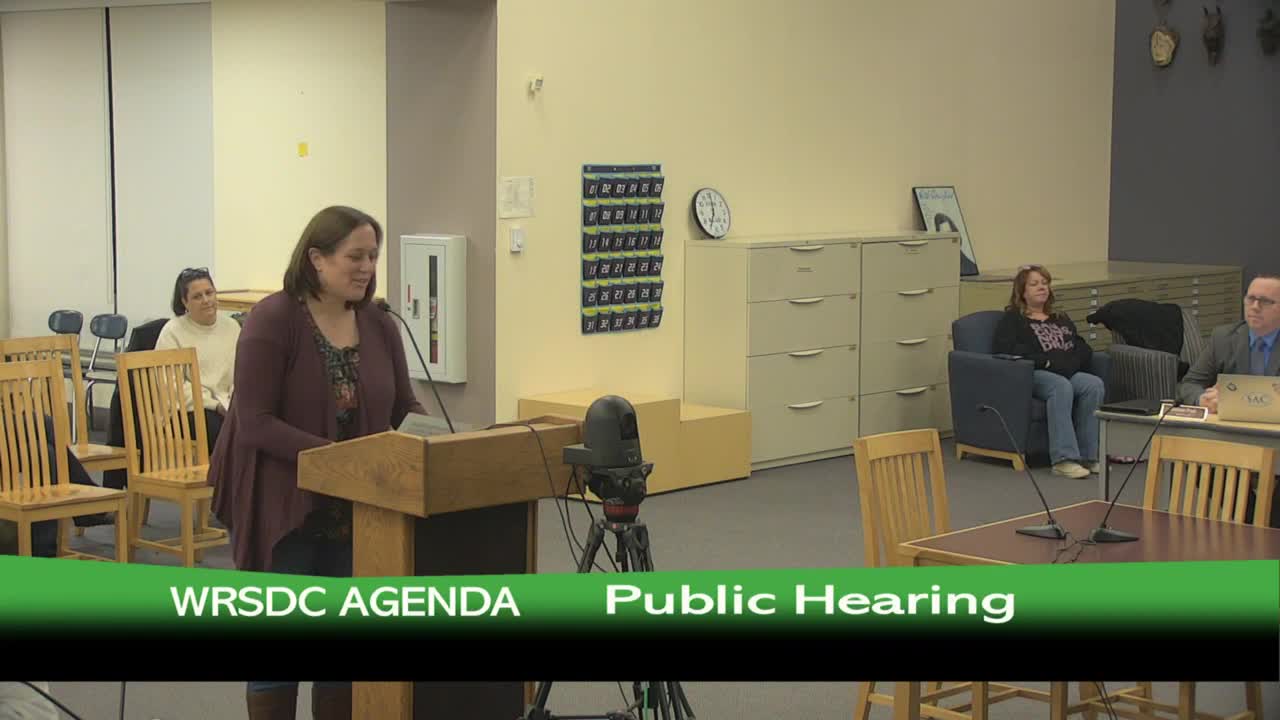
Good evening. My name is Laura Ybarra, and I'm the chair of Wachusett Regional School District's Special Education Parent Advisory Council. I'd like to address several important items on tonight's agenda that relate to special education and ask that you give them careful consideration.
Why it matters: Families and the district's CPAC (Special Education Parent Advisory Council) said the district must improve transparency about special-education placements, clarify financial and contractual questions related to the CAPS collaborative, and restore accessibility standards removed from a draft playground safety policy. CPAC leaders presented results of a fall family survey and urged prompt action on staffing, communication and measurable goals.
The CPAC presentation and public comment portion of the meeting focused on multiple concerns. Laura Ybarra, chair of the district CPAC, told the committee the council had given the administration “a comprehensive list of concerns” in January and asked that “the full financial picture is made clear before any decisions are made,” specifically calling attention to collaborative agreement language (section 7) and the collaborative’s 2024 financial statements. Ybarra said, “Special education in this district is still very much in crisis, and children have been placed out of district for a reason.”
Parent speakers and CPAC leaders pressed the district for a concrete action plan. Lindsay Lukasen, a parent who said two of her children have special needs, said the district “has gone 5 years without a comprehensive special education plan” and urged a “real collaborative special education action plan with measurable goals and accountability.” She warned against treating returning students from out‑of‑district placements lightly and described how inadequate playground equipment and inaccessible surfaces exclude some students from normal school activities: “If he does not have a swing with a high back and a harness … he will be excluded.”
WREA, staffing and procedures: Linda Sasso, president of the Wachusett Regional Education Association, asked the committee to consider calendar changes to improve professional development time for staff preparing IEPs and 504 plans, and she flagged bargaining implications for proposed personnel‑management policy changes.
Playground policy concerns: Several parents said language on accessibility and age appropriateness had been removed from the draft playground policy. Kristen Holdom, an occupational therapist and parent, said she was “very surprised to see that the clause was crossed out” and argued that removing accessibility requirements would permit schools to avoid providing adaptive swings and other essential equipment. Katie Antarella, another parent, recounted a preschool playground platform that she described as unsafe for young children and urged the committee to retain age‑appropriate and accessibility provisions.
Administration response and CPAC survey findings: CPAC leaders reported 134 families responded to the fall survey; among respondents, roughly half said they received an appropriate amount of IEP/504 communication and a majority felt treated as equal partners in planning. Director DeAngelis and Superintendent Dr. Riley addressed CPAC's themes — communication, safety and staffing, trust, resources, IEP implementation, evaluations and bullying prevention — and outlined steps the district has taken, including a new online special‑education procedural manual, monthly team‑chair meetings, additions of school adjustment counselors, plans for co‑teaching professional development, and an expanded set of family workshops.
Director DeAngelis said staff are working to standardize communication and build consistent team‑chair structures across 13 schools, and noted the district has reduced PRS complaints in the current school year. DeAngelis also described ongoing efforts to hire special‑education staff, use agencies to provide certified temporary services and to expand training on implementation of accommodations.
What CPAC wants next: CPAC asked the school committee to (1) seek explicit answers to financial questions about CAPS collaborative buy‑in and liabilities, (2) restore accessibility and age‑appropriateness language to the playground safety policy or return the policy to the facilities subcommittee for review, and (3) require a short‑ and long‑term special‑education action plan with measurable goals.
The meeting record: Committee members thanked CPAC for submitting the survey and encouraged continued work. Several members expressed support for prompt, measurable follow‑up; the administration said it would invite CPAC feedback on the new procedural manual and consider additional public reporting. The playground policy and other draft policies were discussed later in the meeting and referred to subcommittees.
The CPAC report and the public comments concluded with an agreement to keep working; administration described specific actions already taken and committed to further outreach and transparency.