Get Full Government Meeting Transcripts, Videos, & Alerts Forever!
Get email alerts on the Events Taxonomy topic
No spam. Unsubscribe anytime.
Seminole Sundance Festival once drew winter crowds to Clematis Street, 1916–mid-1920s
Summary
Historian Janet Naughton described the Seminole Sundance as a three-day winter festival created by West Palm Beach merchants around 1916 that brought parades, contests and business to Clematis Street through the mid-1920s.
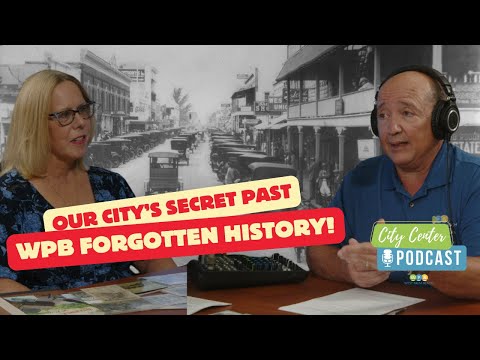
Historian Janet Naughton said the Seminole Sundance Festival was a three-day winter event created by city merchants to extend the tourist season. "It was a 3 day festival, and it occurred from about 1916 to the mid-20s, but it was a little bit like Mardi Gras," she told the City Center podcast.
Naughton said the festival featured parades, dress-up contests and a "prettiest baby" contest and that Clematis Street was decorated for the occasion. The festival was meant to keep tourists and to bring business to downtown after the main winter season ended, she said.
The description places the event in the early 20th-century tourism economy of West Palm Beach and shows how merchants used civic celebrations to extend the tourist season. The podcast did not provide details on when the festival ended precisely beyond "mid-20s," nor on whether it was revived later.
Background: West Palm Beach developed significant winter-season tourism in the early 1900s; small, merchant-led events like the Seminole Sundance were one local response to seasonal ebb and flow in visitors and commerce.
The record in the interview does not specify a modern revival or current organization tied to the festival.