Get Full Government Meeting Transcripts, Videos, & Alerts Forever!
Get email alerts on the Emergency Preparedness topic
No spam. Unsubscribe anytime.
GOSEP reports $62.2M in current‑year emergency costs tied to New Orleans events; committee discusses reimbursement and rainy‑day options
Summary
The governor’s homeland security office listed about $62.2 million in current‑year supplemental needs tied to New Orleans public‑safety and sheltering responses; GOSEP said it expects federal reimbursement but senators asked whether the state may need to bridge costs from the emergency response fund or the rainy‑day fund pending federal awards.
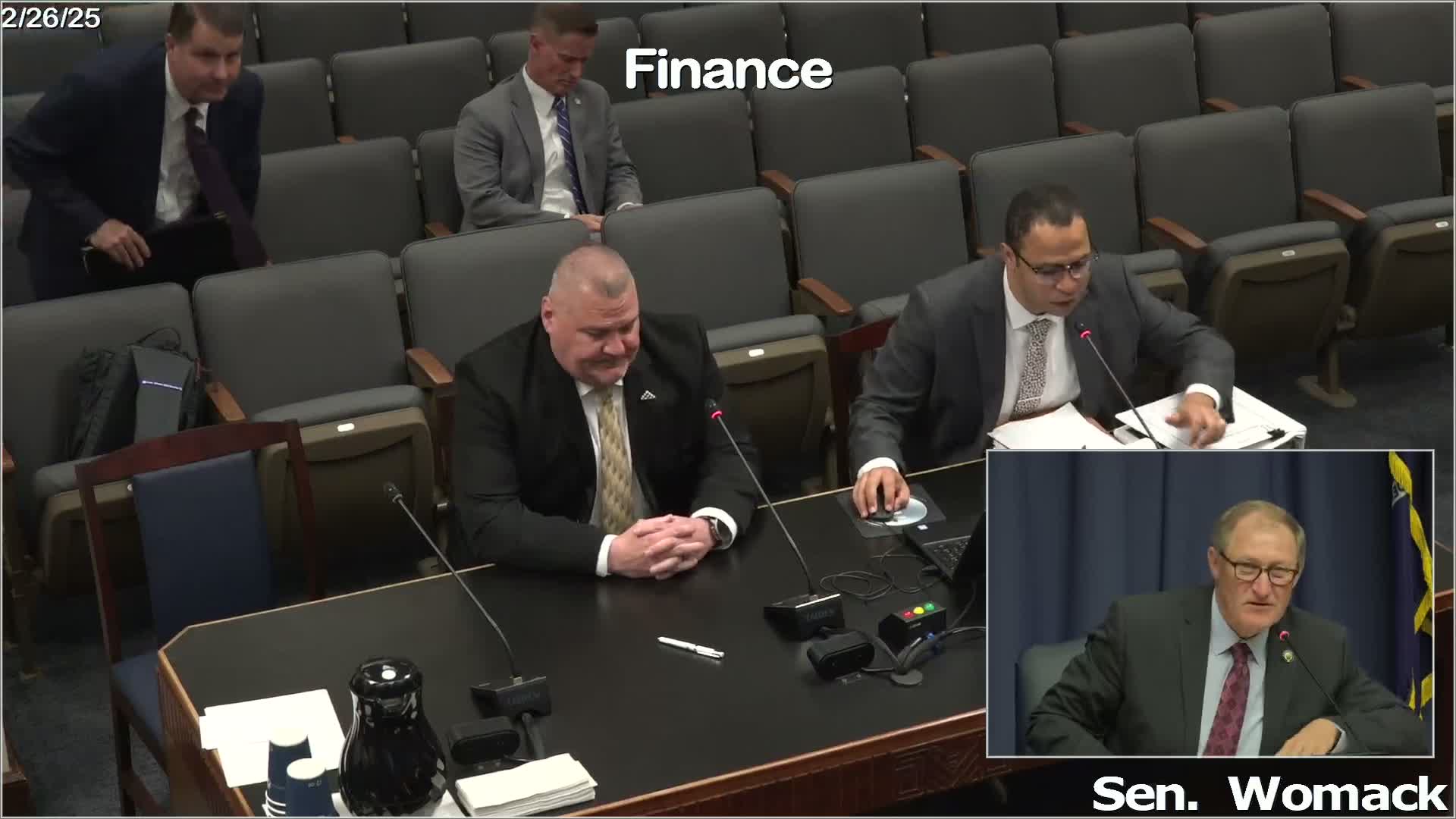
The governor’s Office of Homeland Security and Emergency Preparedness (GOSEP) told the Finance Committee it is managing multiple ongoing disaster and emergency workloads and identified roughly $62.2 million in current‑year needs tied to recent events and larger disaster responses.
GOSEP presentation and supplemental needs
Senate Fiscal Services summarized GOSEP’s list of potential supplemental needs for FY‑25, saying the agency estimates about $62.2 million in response‑related costs that are not yet fully reimbursed. Chaz Nichols’ staff slides broke the total into several pieces; GOSEP staff emphasized that a substantial portion is expected to be reimbursed through federal programs but the timing and the percentage of federal reimbursement are not yet final.
Notable line items
- Executive‑order emergency assistance tied to New Orleans incidents (sheltering, outreach and transition center support) comprised the largest single portion of the current amount; Fiscal Services listed roughly $45.3 million tied directly to state responses that followed an executive order.
- Alert and communications systems, transitional housing and other sheltering/relocation costs are among the larger line items.
Federal reimbursement and state cash options
GOSEP and fiscal presenters said federal reimbursement is anticipated for many of the outlays, but reimbursement percentages vary by program and by disaster. Committee members asked whether the state should temporarily use the State Emergency Response Fund or the Rainy‑Day (budget stabilization) Fund to bridge costs pending federal reimbursement. GOSEP noted the state emergency response fund held a balance that could be used for emergencies and that some constitutional mechanisms exist to use budget stabilization funds in emergencies; legal and fiscal staff said they would work through options and timing.
Cyber and school safety initiatives
GOSEP also oversees the Louisiana Cyber Assurance Program and the Louisiana Center for Safe Schools. Members asked for clarity on how those programs are funded and whether federal matching dollars could be pursued. GOSEP said the cyber program is funded through state appropriations and agency budgets; the office is seeking federal matches and told senators it has begun coordination with other security partners (state police, LOIT/OTS) to centralize incident response.
Katrina closeouts and other background liabilities
Fiscal staff reminded the committee about long‑running federal closeout work tied to past storms; a large but uncertain closeout liability has been projected in prior years and staff said timing remains uncertain. GOSEP stressed it is continuing to pursue federal matching where available.
Ending
The committee directed GOSEP and budget staff to return with legal and fiscal options for bridging emergency payments pending federal reimbursements, and requested more detail on specific line items and the funding sources GOSEP would use if federal payments are delayed.