Get Full Government Meeting Transcripts, Videos, & Alerts Forever!
Get email alerts on the Education Community Projects topic
No spam. Unsubscribe anytime.
Waupaca students present Book Bundles, housing, bike library and mobile-clinic ideas to council
Summary
Seventh- and eighth-grade students from the Chain Exploration Center presented a set of community proposals to the Waupaca Common Council on March 4, urging projects aimed at literacy, housing, transportation and health services.
Seventh- and eighth-grade students from the Chain Exploration Center presented a set of community proposals to the Waupaca Common Council on March 4, urging projects aimed at literacy, housing, transportation and health services.
The proposals — delivered by several student teams and introduced by teacher Ty Nadski — included a Book Bundles home-delivery program for children ages 0–5, a plan to create affordable housing by selling and subdividing unused residential land, a bike library to let residents check out bikes via the public library, an application process to form a local Boys & Girls Club chapter, distribution of 55-gallon rain barrels to residents, and a proposal for a mobile prenatal clinic operated with Aspirus.
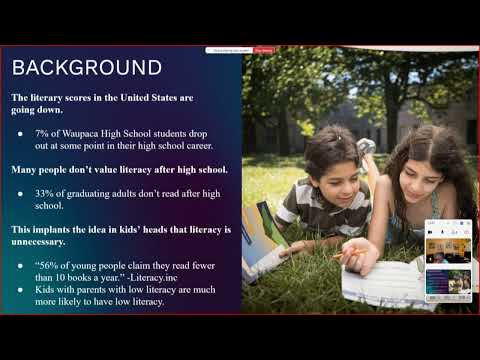
The students said the Book Bundles pilot would deliver about six books per order inside a waterproof bag, with families choosing one to four deliveries a year; students estimated startup costs of roughly $500 for bags and collection drives. "Our objective is to bring the culture of reading back into the families of our community," presenter Charissa said. The team said they planned a 50-family cap at launch and proposed a small loss/damage fee of about $10 to encourage returns.
A separate student group proposed creating small infill lots on large residential properties to add duplexes or small multi‑family units. Jonathan Reyer said the idea would let homeowners sell portions of unused lawns to developers or builders and cited local contractors as potential partners. The presenters suggested waiving rezoning fees to encourage participation and listed Volks Brothers and Melter as local construction firms they thought could assist.
Students proposing a bike library described a downtown storage site (they suggested a garage near Danes Hall) and estimated 30 bikes would cost about $3,000; they recommended partnering with Adventure Outfitters for repairs and the public library for checkout and administration. "We want people who don't have cars or can't afford bikes to access transportation and downtown amenities," presenters said.
Another team outlined steps to contact the Boys & Girls Club of America and Portage County for guidance on launching a local chapter, proposing a community assessment, business plan, funding search and a charter application; they suggested a multi‑year timeline with initial outreach through 2026 and possible launch by 2028.
Students proposing a rain-barrel program said barrels (they described 55-gallon units) would be distributed in spring, collected in fall to prevent freezing, and maintained weekly by homeowners; they estimated unit costs and volunteer staffing needs for installation and seasonal removal.
A group proposing a mobile prenatal clinic identified Aspirus as a potential partner and estimated renovations and an RV conversion might cost about $500,000; they described the mobile unit as a first step that could later broaden into pediatric and mental-health mobile services.
Council members and staff responded with encouragement and suggestions for next steps. City staff member Aaron told students, "we'll have conversations moving forward," and recommended that the Book Bundles team consider partnering with the existing Project Backpack distribution to jump‑start outreach. Council members praised the presentations and said staff would follow up with presenters about feasibility and contacts, including the economic development director vacancy as a possible resource.
The presentations concluded with thanks from the council and staff; students left contact information and materials for follow-up.
Ending: Council members said they would keep the ideas on file for staff review and possible partnership, and council staff indicated they would share the recorded presentations with colleagues who were unable to attend.