Get Full Government Meeting Transcripts, Videos, & Alerts Forever!
Get email alerts on the Residency Enforcement topic
No spam. Unsubscribe anytime.
Committee debates residency investigations, enforcement and tuition reimbursement; staff say most reports come from school staff not public hotline
Summary
School committee members discussed the district’s residency verification process, which uses staff reports, a Google form and return mail triggers; members debated whether to pursue tuition reimbursement for families found out of district and examined differences in how withdrawal numbers are reported.
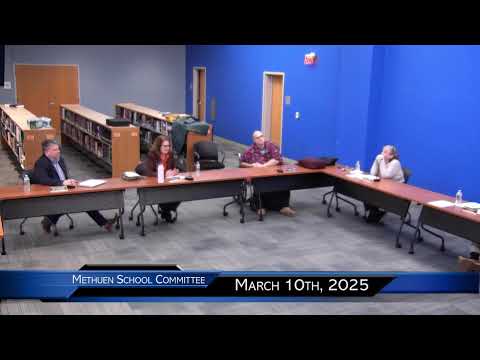
Committee members spent substantial time on March 10 discussing residency verification methods and enforcement outcomes after staff presented residency‑withdrawal counts alongside the new enrollment report.
Staff description: District staff said residency investigations originate largely from staff reports and an online Google form; returned mail and school staff observations trigger follow‑ups. Staff said the chart presented on the new dashboard excludes families who had scheduled residency appointments and later submitted documents, while an older chart did include those cases.
Numbers and process: Committee members asked why counts differ across charts (for example, 23 versus 27 residency withdrawals on different charts) and sought the source of investigation requests. Staff said community submissions via the Google form are relatively uncommon and most reports come from school staff, not a tip hotline. The superintendent and staff said the residency checks focus on targeted grades (kindergarten, every fourth and eighth grade) to avoid overtaxing enrollment staff.
Tuition reimbursement debate: Members discussed whether the district should pursue tuition reimbursement for families found to be nonresidents. Staff and members noted that although the committee can issue tuition statements in enforcement scenarios, legal counsel previously advised that pursuit of reimbursement can be expensive and often unsuccessful; there is also a cost to engaging counsel. Committee members asked the administration to revisit legal counsel on whether reimbursement actions are feasible.
Why it matters: Residency enforcement affects who the district is required to educate and can influence reported enrollments. Staff said residency enforcement historically leads to about 50 students a year being removed but stressed that enforcement is not intended to be punitive and that each case is handled individually.
Ending: The committee asked staff to clarify report definitions, to continue the residency checks for the targeted grades, and to consult legal counsel on the feasibility and cost of seeking tuition reimbursement in specific cases.