Get Full Government Meeting Transcripts, Videos, & Alerts Forever!
Get email alerts on the Legal Litigation topic
No spam. Unsubscribe anytime.
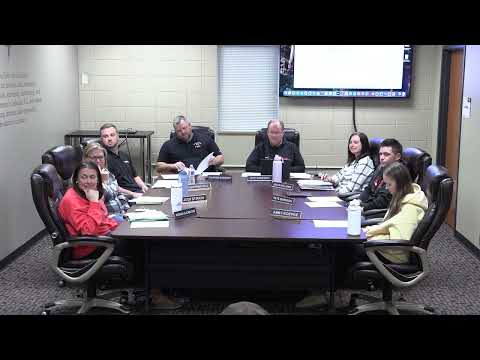
Board enters closed session to confer with counsel on solar‑garden bill‑credit litigation
Summary
The Cannon Falls School Board moved into a closed session to consult with its attorney about joining litigation challenging a change to the bill‑credit rate received under the district’s solar‑garden agreements.
The Cannon Falls School Board voted to close part of its March 10 meeting to obtain legal advice on pending litigation regarding solar‑garden bill credits the district receives under its solar garden agreements.
Board leadership said discussing the district’s legal strategy in public would be detrimental to the district’s position. The chair read a statement citing Minnesota statutes that permit closed sessions for attorney‑client consultations about pending litigation and indicated the discussion would cover the district’s legal positions, defenses and potential settlement options.
Why it matters: The matter concerns the district’s revenue stream from solar‑garden bill credits and whether a change to the bill‑credit rate should be challenged in court; the board indicated there may be a subsequent public action after the closed session.
What the statement said (excerpt): The chair read that “the matter to be discussed is joining litigation to challenge a change to the bill credit rate to the school that the school district receives through its solar garden agreements.” The reading cited Minnesota statutes 13D.01 subdivision 3 and 13B.05 subdivision 3(b) and referenced the attorney‑client privilege.
Board action: A motion to close the meeting for the stated purpose was made and seconded; the board approved the motion by voice vote and moved into closed session. The chair noted the closed session could last about 20 to 30 minutes and that there might be an action item to consider when the meeting reopened.
Ending: The board went into closed session to consult with counsel. The transcript records the motion and the start of the closed session; any subsequent public action, if taken, was not part of the recorded public segment.