Get Full Government Meeting Transcripts, Videos, & Alerts Forever!
Get email alerts on the Economic Development topic
No spam. Unsubscribe anytime.
Torrington council votes unanimously to opt into Connecticut Municipal Redevelopment Authority
Summary
After a public hearing and extended discussion about downtown projects, TorringtonCity Council voted unanimously to become a member municipality of the Connecticut Municipal Redevelopment Authority. Council members asked for follow-up fiscal and program details before any project commitments.
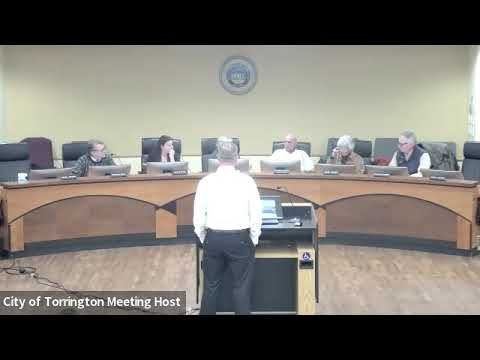
The Torrington City Council voted unanimously Monday to opt into membership with the Connecticut Municipal Redevelopment Authority, a move council members and staff said will give the city an additional funding and technical-assistance tool for downtown redevelopment.
The vote came after a public hearing and a presentation from the city's economic development office and a remote representative of the MRDA. William (Economic development director) told the council he had prepared maps showing a downtown district and active and planned projects that could be candidates for MRDA support; he estimated public (state) grants tied to the downtown projects at about $4 million and private investment for several projects in excess of $50 million.
Why it matters: MRDA membership would not automatically approve any project, officials stressed, but it would allow Torrington to access MRDA loans and technical assistance for gap financing, mixed-use development and economic components of projects that the city and private developers bring forward.
Council concern and staff response: Several council members pressed for data about how recent downtown housing projects affected city services and schools. Councilman Cavanero said he wanted "an honest, frank, and detailed set of conversations" examining what happened at earlier developments and how future projects would affect school enrollment, public safety and city budgets. William and the MRDA representative said they can support fiscal-impact analyses and provide on-call consultants to answer long-term fiscal and programmatic questions.
MRDA staff and Torrington officials described a range of downtown parcels that have drawn developer interest or are in active redevelopment: Hotchkiss Square (50 units), 11 Main Street, the Yankee Peddler project, 100 Franklin Drive (a former NYDECO site) and activity behind the Torrington Savings Bank building. William gave a conservative estimate that private investment for six referenced projects exceeds $50 million; he said state grant funding tied to downtown work is about $4 million. David Kouras (MRDA) told the council MRDA can support market-rate and affordable housing as well as the commercial components of mixed-use projects.
Process next steps: The council's resolution makes Torrington a member municipality, but it does not commit the city to any project. The city planner and MRDA will review downtown zoning and recommend changes needed for MRDA certification. If MRDA certifies the downtown regulations, the mayor would then enter an MOU establishing district boundaries; only after that step would specific projects become eligible for MRDA funding.
Quote: "We can certainly pull that information together," William said, referring to fiscal and school-impact data the council requested. Councilman Cavanero said the council should be "transparent, clear, and honest" about long-term stability and costs.
Vote and formal action: The council took a roll-call vote and approved the motion to become a member municipality of the Connecticut Municipal Redevelopment Authority. The council then authorized staff to begin the regulatory review with MRDA and to pursue the MOU process if zoning is certified.
Ending: Officials said the membership gives the city an additional tool for redevelopment and that any use of MRDA funding or programs would return to the council for project-specific approvals. The public hearing record was closed with no public speakers, and the normal 30-day period for any appeals will apply to the council's resolution.