FieldTurf presents design, pricing and alternates for Shelton multipurpose turf field
Loading...
Summary
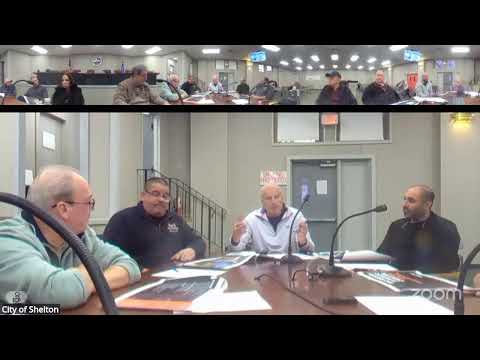
Representatives from FieldTurf presented design options, scheduling advantages and cooperative-purchase pricing for a proposed multipurpose synthetic turf field at a Shelton site during the Board of Aldermen meeting.
Andrew Dijak, regional vice president for FieldTurf, told the board the company offers turnkey design-build services through an existing Connecticut cooperative purchasing agreement that the company said pre-vets pricing and shortens project timelines. “These are real prices,” Dijak said, adding that the cooperative purchasing process saves municipalities both time and design fees that would otherwise be charged by third parties.
Chris Holcomb, FieldTurf’s director of design and construction and a Connecticut licensed professional engineer, reviewed site considerations, construction methods and warranty details. Holcomb said the proposed turf system is expected to last about 12 to 15 years with a typical warranty of about eight years, and that useful life assumptions in the company’s planning are based on roughly 40 hours of use per week. “We visited this facility multiple different times,” Holcomb said, and described required steps including removal of existing topsoil, installation of a stone subbase, drainage piping, concrete anchor curbs and turf fastening.
FieldTurf proposed a base turnkey package that includes removal and disposal of existing surface, grading, drainage, turf installation and site restoration. The presenters outlined optional alternates and add-ons: four-foot black vinyl chain-link fencing, 20-foot ball netting behind end zones, conduit and foundations for lighting, a terrace seating wall, upgraded “elite” turf and operator-access gates. Price ranges presented to the board were approximately $1.3 million for a standard package and roughly $1.7 million for a package including fencing, netting and foundations for lights; FieldTurf characterized those figures as Connecticut cooperative-pricing estimates and cautioned that alternates can be phased in.
The company also described end-of-life handling of removed turf: separating infill and carpet at a processing facility (FieldTurf cited work done in Wilkes-Barre, Pennsylvania), reclaiming and cleaning infill for reuse, and converting carpet to other plastic products. Dijak said the company achieved a recycled-field certificate on a project at Gillette Stadium.
Board members and staff discussed budget timing and competing capital requests; one official noted numerous large capital items coming in next budget year, including school roofing and fire apparatus, and said alternates had been presented so the board could select items in stages. No formal motion or vote was recorded on the turf project during the meeting; the presentation was given for information and to inform future budget discussions.
FieldTurf said maintenance consists of routine grooming roughly once every six to eight weeks, with additional attention to high-use areas, and that FieldTurf provides maintenance training and equipment as part of the project package. The presenters said LED lighting options are more energy-efficient than older metal-halide systems and that warranty terms for LED lighting can extend up to about 25 years.
The board did not reach a funding decision during this meeting; the mayor and staff indicated capital requests for the coming budget year would determine which alternates are funded and when.