Get Full Government Meeting Transcripts, Videos, & Alerts Forever!
Get email alerts on the Municipal Finance topic
No spam. Unsubscribe anytime.
City auditors report $3.6 million operating shortfall; city keeps low debt and growing grant receipts
Summary
Auditors told the Shelton Board of Aldermen that the city ran an operating deficit of about $3.6 million driven by special-education and health-care costs, leaving a small unassigned fund balance while long-term debt remains relatively low.
Auditors told the Shelton Board of Aldermen that the city ended the period with an operating deficit of about $3.6 million and an unassigned general fund balance of roughly $311,000. The presentation said the city had set aside about $1.8 million for a settlement expected next year.
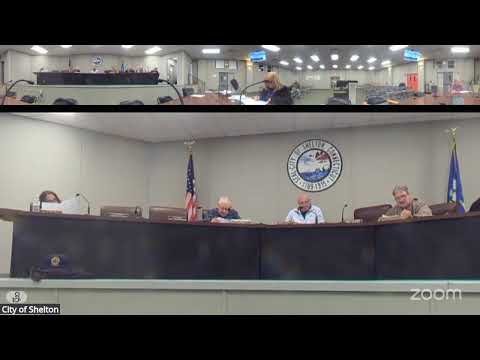
The auditor gave the overview during the board's regular meeting where he reviewed revenue, expenditures and long-term liabilities. "Your revenues, under expenditures by 3,600,000.0. And you fund we're able to fund that through your prior year surpluses, which leads you down to a, $311,000, in unassigned fund balance," said David Capaletti, an associate with the audit firm presenting the statements.
Why it matters: Board members asked for detail because the deficit is driven chiefly by two recurring pressures auditors flagged across Connecticut: special-education costs and health-care expenses. Capaletti told the board the special-education trend is affecting many districts and that health-care costs had produced a multi-year impact before recent improvements in Shelton.
The audit presentation also noted long-term liabilities recorded outside the general fund: the city's internal-service funds include an "incurred but not reported" estimate that the auditors cited as roughly $7.2 million. Capaletti described that figure as an actuarial estimate rather than a current cash requirement.
The auditors reported total outstanding debt of $10,707,000, which the materials show is planned to be paid off in about five years. Capaletti said that level of debt is low compared with many similarly sized municipalities and that the city has significant grant receipts and American Rescue Plan funds still available in capital accounts.
Board members asked for clarifications on tax-collection performance and uncollected levies. The auditors said the city historically posts collection rates above 98 percent but that year-to-year comparisons can be affected by new construction and midyear adjustments to the levy. The auditors pointed to about $1.2 million in receivables they described as difficult to collect, largely motor-vehicle accounts moved out of town.
The meeting transcript shows the audit discussion covered balance-sheet detail, the composition of capital-project funds and the auditors' recommendation to review specific line items on request. No formal board action on the audit report was recorded in the transcript excerpt.
Board members said they will follow up on areas of interest and requested supporting schedules and, where helpful, pictures or documentation for items that later come up in department requests.