Get Full Government Meeting Transcripts, Videos, & Alerts Forever!
Get email alerts on the Downtown Economic Development topic
No spam. Unsubscribe anytime.
New Downtown Walla Walla Foundation executive director outlines data‑driven strategies to connect locals and support businesses
Summary
Mallory, the new executive director of the Downtown Walla Walla Foundation, briefed council on downtown metrics, volunteer economic impact and plans to increase local engagement through events and marketing campaigns.
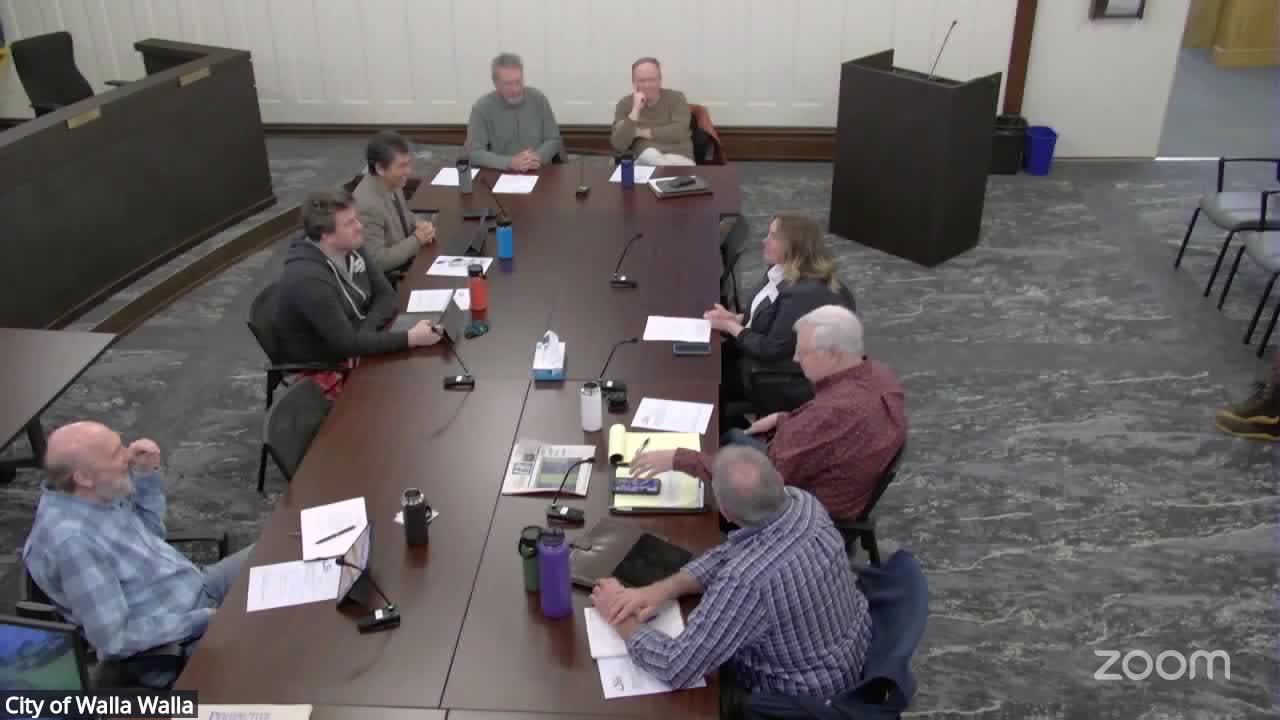
Mallory, the newly appointed executive director of the Downtown Walla Walla Foundation, introduced herself and presented the foundation’s 2024 outcomes and 2025 priorities at the Walla Walla City Council work session on Feb. 24.
Mallory described the foundation as a 40‑year Main Street program that tracks downtown reinvestment, business openings and volunteer hours. She reported that about 1.5 million visitors came to the Walla Walla Valley and used a conservative assumption that 60% of those visitors (about 900,000) visited downtown. The foundation recorded 11 new downtown businesses and about 30 jobs created; Mallory said public and private investment in downtown totaled about $5.5 million.
The downtown foundation also reported an expanded farmer’s market sales estimate—Mallory said market sales rose from approximately $630,000 to about $830,000 in 2024—and said volunteers contributed hours the foundation values at roughly $31 per hour (used to calculate a volunteer economic impact figure).
Mallory reviewed the organization’s role in administering the Main Street tax credit program and other local incentives. She said the foundation received roughly $277,000 in business and occupation/main‑street tax credit donations in the most recent cycle and described the council’s decision to keep public utility and B&O tax revenues local as an important funding mechanism for downtown programs.
On strategy for 2025, Mallory said the foundation will prioritize “connecting locals and creating legacy,” with programs to increase local attendance and engagement (a proposed “Locals on Main” marketing campaign, merchant showcases and block‑level activations) and to rehabilitate vacant storefronts through outreach to property owners. She emphasized community‑led design and called for stronger local participation in design and facade‑improvement discussions.
Councilors asked about parking, historic district incentives and facade grant programs; Mallory said she is building property‑owner relationships and will investigate design guidelines and historic tax‑credit tools as part of a broader outreach effort. She described the foundation’s desire to reactivate street festivals and smaller block activations to spread foot traffic across downtown blocks.
Mallory: "Data tells a story," she said, describing the foundation’s emphasis on measured outcomes and community input.
Ending
Mallory’s presentation framed downtown strategy around data, volunteer and tax‑credit resources and expanded local engagement through events and marketing. Councilors welcomed the focus on reconnection with longtime residents and on using event programming to activate underused blocks; the presentation was informational and no council votes were taken.