Get Full Government Meeting Transcripts, Videos, & Alerts Forever!
Get email alerts on the Tourism topic
No spam. Unsubscribe anytime.
Visit Walla Walla reports flat occupancy, highlights short‑term rental and targeted marketing gains
Summary
Visit Walla Walla told the city council its 2024 visitation was roughly flat compared with the following year but flagged new short‑term rental data, a $207 average daily visitor spend estimate and targeted digital ads that the organization says drove occupancy gains.
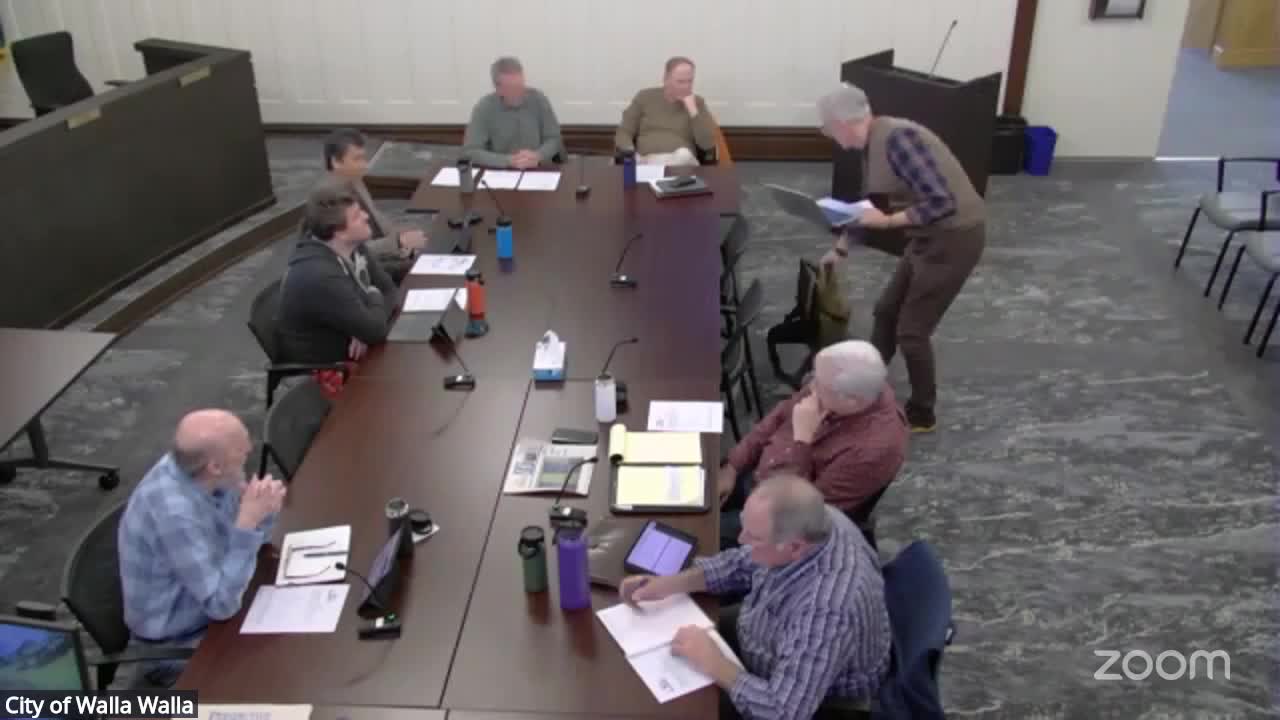
Guy Glazer of Visit Walla Walla presented the organization’s annual report to the Walla Walla City Council on Feb. 24, outlining 2024 lodging and marketing data and new tools for tracking short‑term rentals.
Glazer said overall occupancy was “about flat” year over year and that Visit Walla Walla has started measuring short‑term rentals through a subscription service, which showed an average of 328 short‑term rental units in the valley and roughly 2.23 rooms per rental. "We have an extra 700 rooms that are short term rentals," Glazer said, describing the conversion of those listings into a citywide capacity estimate.
The presentation gave numeric context for visitor spending and marketing. Glazer said the organization used a conservative average daily visitor spend estimate of $207, and a conservative average hotel daily rate of $140 (he said an actual rate nearer $160 is likely). He described earned media activity that produced 615 curated pieces of content in 2024 with an estimated advertising-equivalent value of about $2.6 million; Visit Walla Walla’s share of the paid/earned program was roughly $55,000, he said.
Glazer also described a targeted digital advertising program run with the platform Datify. He said the program cost about $140,000 and could be explicitly linked to 6.4% of local hotel occupancy attributable to that campaign; the organization estimated those ad-attributed rooms represented roughly $1.8 million in revenue and said the campaign produced a roughly 13:1 return on dollars spent.
On markets and destination priorities, Glazer said Spokane and Seattle remain the largest sources of overnight and day‑trip visitors and that the organization is shifting marketing to those drive markets. He described destination development work—film liaison activity with Washington Filmworks, an agritourism mapping tool funded via an RTS grant, and a 2026 multi‑day cycling event being planned with Whitman College and Bicycle Rides Northwest—as efforts to broaden the visitor base beyond wine tourism.
Glazer summarized collaborative marketing projects with the Walla Walla Wine Alliance, a pooled 12‑month ad calendar and hotel/hospitality partnerships such as hotel‑hotel meeting coordination and the Walla Walla Wine on Tour retail partnerships. He said Visit Walla Walla is considering owned media projects such as a podcast and that PR, earned media and repeated influencer hosting remain central tactics.
Councilors asked about demographic targeting, the status of film projects, and the role of short‑term rentals in capacity planning. Glazer said short‑term rental night counts and the Datify platform improved the organization’s ability to measure and target visitors, but cautioned that short‑term rental inventory fluctuates when owners take units off market for personal use.
The presentation included workplan examples (a wander map, agritourism filters, trail data collaboration with Blue Mountain Land Trust) and described ongoing coordination with the Port of Walla Walla and hotel partners. No council action or vote was taken; the item was presented for information and council members were invited to submit follow‑up questions through staff.
Glazer: "The average daily visitor spend is $207," and "earned media is a way more valuable pillar than paid media," he said during the presentation.
Ending
Visit Walla Walla’s briefing emphasized measurement improvements and tactical shifts toward regional drive markets while preserving the wine industry partnership. Councilors had questions about demographic segmentation, outdoor‑recreation development and the specifics of marketing partnerships; staff will follow up on data requests and next steps.