Get Full Government Meeting Transcripts, Videos, & Alerts Forever!
Get email alerts on the Environment topic
No spam. Unsubscribe anytime.
Residents, agency discuss DTG landfill fire suppression, groundwater concerns; community forum requested on rock-crushing permit
Summary
A resident and the agency's executive director discussed the DTG landfill subsurface fire, risks to groundwater, PFAS detections, suppression options considered, and a request for a March community forum on DTG’s rock-crushing permit.
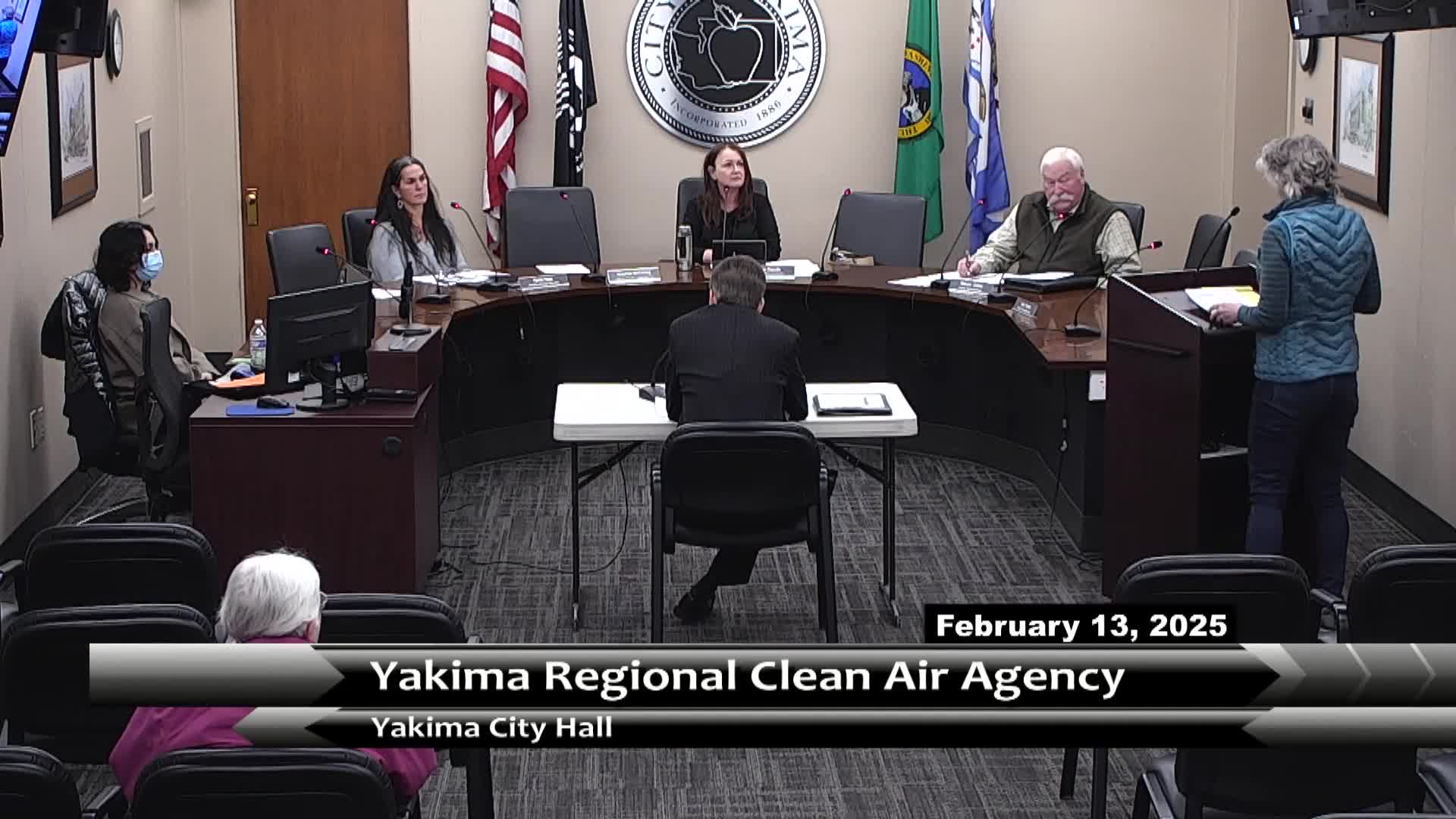
Nancy Lust, who represents Friends of Rocky Top, clarified previous comments about the Rocky Top landfill and pressed the agency for public outreach on a related air-permit question while Agency Executive Director Mark Thornberry provided technical context for the DTG landfill subsurface fire and the rationale behind suppression choices.
“From an environmental standpoint and a public health standpoint, air and water pollution can be connected,” Nancy Lust said during public comment, describing harmful air emissions at the Rocky Top landfill, a site she said is designated a Modca site. Lust said there has been a history of fire at the landfill and that covering fissures with topsoil can reduce gas venting and raise concerns about chemicals reaching groundwater, noting the presence of PFAS and high nitrates in groundwater.
Lust also said she had requested a community forum in March to ask questions about DTG’s rock-crushing permit and that she had emailed Director Thornberry and not yet received a reply.
In his executive director’s report, Mark Thornberry provided background on how suppression decisions were made after the subsurface fire was discovered, which he said was in about 2022. Thornberry said the operator brought in a fire-control expert; two primary suppression approaches considered were applying water to reduce oxygen and combustibility or placing soil (capping) to starve the fire of oxygen. Thornberry said water was largely dismissed because the landfill is unlined and adding water could mobilize contaminants into the aquifer. He said the Department of Ecology and the local health district led response decisions and the agency did not object to the chosen resolution. He added that recent readings showed declines in temperature and carbon-monoxide readings in the core fire area but that a hotspot may remain and that additional borings were planned to check for migration.
Lust’s request for a community forum on DTG’s rock-crushing permit remains outstanding in the transcript; the executive director acknowledged the forum request had been emailed but the transcript does not record a scheduling response.