Get Full Government Meeting Transcripts, Videos, & Alerts Forever!
Get email alerts on the Child Welfare topic
No spam. Unsubscribe anytime.
Committee adopts stakeholder-drafted child-welfare and juvenile-justice changes; registry cleanup and juvenile-fee repeal included
Summary
Lawmakers approved a package of child-welfare and juvenile-justice bills after stakeholder meetings and technical amendments, narrowing entries on the central child-maltreatment registry, revising screening and best-interest language, and eliminating certain juvenile court fees.
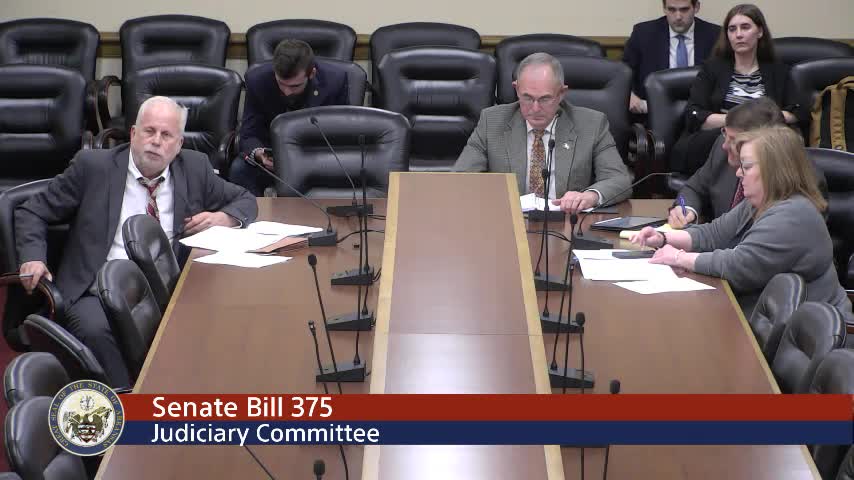
The Senate Judiciary Committee on May 20 approved several bills aimed at child-welfare and juvenile-justice reform after a multi-stakeholder drafting process that included judges, advocates and agency staff.
Why it matters: Changes to the central maltreatment registry can affect employment opportunities for people with prior neglect findings. Changes to screening, hotline use and best-interest factors affect when children are removed from homes and how courts evaluate reunification. Eliminating some juvenile fines and fees affects families’ financial obligations and public defender caseloads.
What passed and key changes:
- Senate Bill 325 (Sen. Allen Clark): Narrows central registry entries so certain neglect findings will no longer bar individuals from working in schools or childcare; stakeholder amendments were adopted mitigating the bill’s practical effects.
- Senate Bill 326 (Sen. Allen Clark): Amends the Child Maltreatment Act to adjust definitions, add best-interest factors for courts, standardize hotline screening language and require a consistent assessment tool for the hotline; the committee adopted stakeholder-supplied drafting edits.
- Senate Bill 340: Removes or reduces some juvenile-case fines and associated fees so families are not financially trapped by court costs; the Arkansas Public Defender Commission testified it expects an increase in appointed counsel numbers as a result.
Stakeholder process and judicial concerns: Senator Clark reported a three-hour stakeholder meeting with 17 groups and said most concerns were addressed by technical amendments. Michelle Martin of KC Family Programs, who participated in drafting, explained that the amendments preserve judicial discretion while allowing courts to order unsupervised visits when appropriate and to tailor requirements to case circumstances. Judges and the administrative office of the courts requested specific drafting clarifications; Clark said the changes reflect that input.
Committee action: Each bill passed after amendment on voice votes. Supporters argued the bills reduce unnecessary entries and unnecessary removals, while opponents cautioned courts should retain discretion to order full home studies when child safety warrants it.
Ending: The package moves to the next legislative stage. Committee members asked agencies and stakeholders to continue refining implementation questions, especially how hotline screening and assessment tools will be standardized.