Get Full Government Meeting Transcripts, Videos, & Alerts Forever!
Get email alerts on the Education Governance topic
No spam. Unsubscribe anytime.
Senate passes constitutional amendment to reinstate state board that appoints superintendent; advocates say it will restore stability
Summary
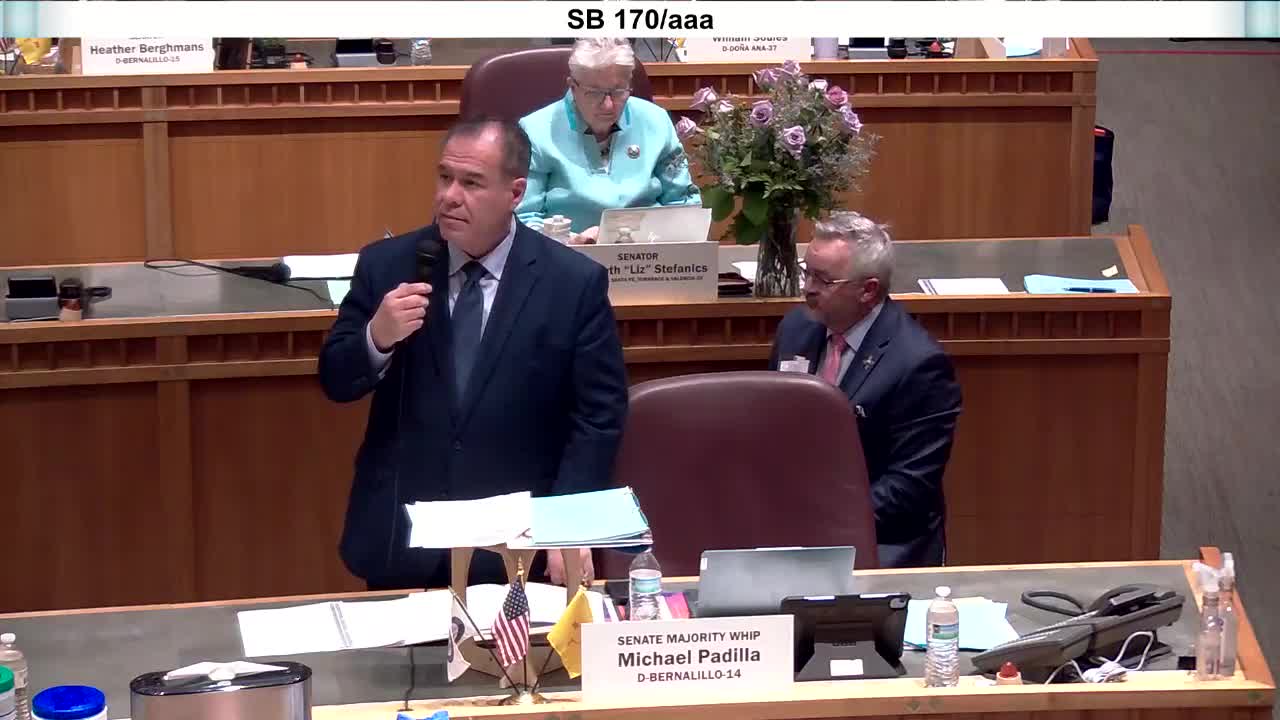
Senate Joint Resolution 15 — a constitutional amendment to reinstall a state board of education that would appoint the state superintendent of public instruction — passed after extensive floor debate over accountability, politicization and student outcomes.
The New Mexico Senate voted to send a proposed constitutional amendment to voters that would change how the state selects its top K–12 education official.
Senate Joint Resolution 15 would restore a state board of education responsible for hiring and overseeing the state superintendent of public instruction; at present the governor appoints a cabinet‑level secretary/commissioner. Supporters said the change would depoliticize some decisions, provide continuity across administrations and place education stakeholders on the appointing board. Opponents warned the switch could shift accountability and create new layers of political appointments.
Why the move now: Sponsors pointed to low statewide results on national assessments and to turnover in the secretary post under recent administrations; supporters argued a board would provide longer‑term continuity for statewide education policy and for implementation of long‑term efforts.
Key floor arguments: Proponents said the restoration would help appoint a qualified superintendent and reduce the extremes of political swings in education decision‑making. Opponents said elected or appointed boards can both be politicized, that the reform could slow responsiveness to governors’ priorities, and that the enabling legislation (to be drafted if voters approve the amendment) will determine whether representation is broad and equitable. Debate also centered on how to guarantee tribal, rural and charter‑school representation on an appointed board and whether a board approach would help address court rulings and settlement obligations for educational adequacy.
Vote: The Senate approved the joint resolution on a roll call recorded on the floor, 27 in favor and 15 opposed. Because the proposal is a constitutional amendment, it will go to the voters for final approval if it clears the Legislature.
What happens next: If voters approve the amendment, the Legislature and the governor will still need to enact enabling legislation to specify appointment procedures, board composition, terms, and qualifications. Backers said they plan to work through the enabling language to ensure representation for tribal nations, rural communities and educators.
Bottom line: The vote sends a structural education governance change to New Mexico ballots; the floor debate made clear the text of enabling legislation will determine whether the amendment meets concerns about equity and accountability.