Get Full Government Meeting Transcripts, Videos, & Alerts Forever!
Get email alerts on the Healthcare Finance topic
No spam. Unsubscribe anytime.
Senate passes bill allowing counties to use indigent GRT funds for premiums and co‑pays after heated debate
Summary
Senate Bill 45, which allows counties to use county‑level gross receipts tax (GRT) indigent funds for premium assistance, co‑payments and some out‑of‑pocket costs, passed after debate over eligibility, funding sources and potential impacts on county budgets and undocumented residents.
The New Mexico Senate narrowly approved a bill Wednesday that expands how counties may use locally‑authorized indigent health funds, drawing extended floor debate about local control, eligibility and whether the measure will shift costs onto county taxpayers.
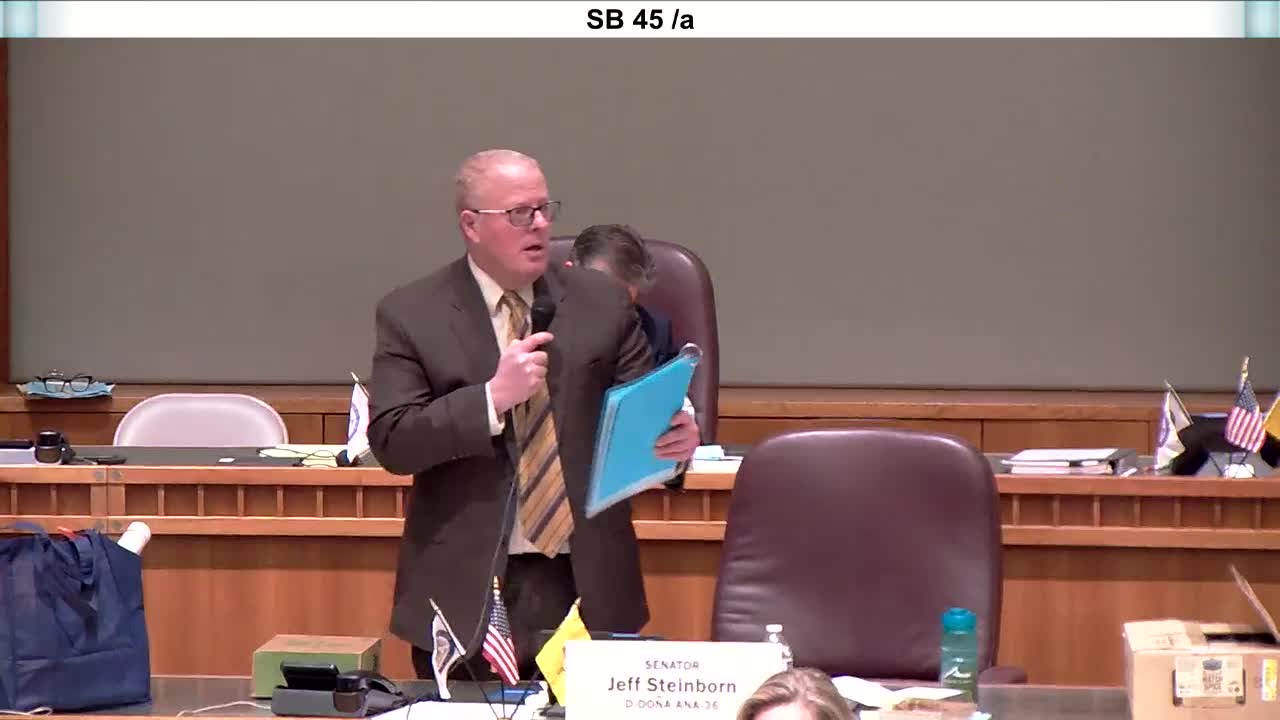
Senate Bill 45, sponsored on the floor by Senator Soules (Senator Steinborn was the floor sponsor during debate), adds premium assistance, co‑payments and other out‑of‑pocket costs to the list of permissible uses for county health assistance funds derived from locally authorized gross receipts tax (GRT). The bill passed on a recorded vote the clerk announced as 24 in the affirmative and 17 in the negative.
Why it mattered on the floor: Supporters said the change would let counties help working‑poor residents keep insurance coverage and avoid expensive emergency‑room care. Senator Steinborn and backers described county health funds as already authorized by law, discretionary, and implemented under local resolutions; they framed the bill as restoring the flexible uses originally intended when counties established the funds.
What opponents said: Critics pressed technical and equity questions: how would counties define eligibility, how many residents could be covered, whether the expansions would meaningfully strain county funds, and whether counties could be incentivized to subsidize premiums for undocumented residents. Several rural and county‑government speakers said many counties oppose the bill or had not yet taken a position; some raised concerns the bill could obligate future county resources without new revenue. Senators also worried about monitoring and whether private insurers would raise premiums if counties regularly paid policy costs.
Clarifying details from the floor: Sponsors and several county officials said the funds are drawn from locally imposed GRT (not state general fund) and that each county must set eligibility rules via local resolution; Bernalillo County was noted as operating differently (via a mill levy) than the GRT counties. Supporters said the proposal is optional — counties must choose whether to adopt the expanded uses.
Vote and next steps: The chair moved final passage and the journal reflected the roll call result announced on the floor (24 in favor, 17 opposed). If enacted, counties will retain discretion over implementation; the record shows no statewide eligibility standard would be imposed. The floor debate pointed to likely rulemaking or county‑level ordinances to spell out eligibility and program details.
Bottom line: The bill gives counties a new option to use indigent funds for insurance affordability measures, but floor debate made clear sizable concerns remain about budgetary impacts, transparency and equitable access across counties.