Get Full Government Meeting Transcripts, Videos, & Alerts Forever!
Get email alerts on the Refugee Services topic
No spam. Unsubscribe anytime.
Committee backs cutting extra refugee medical-assistance eligibility from 150% to 133% of federal poverty guideline
Summary
The committee voted to send House Bill 199 to the Senate with a due-pass recommendation. Sponsor and supporters said the change aligns refugee eligibility with other Idahoans; refugee advocates and clinicians warned the reduction would make it harder for a small number of newly arrived refugees to get care during their first year.
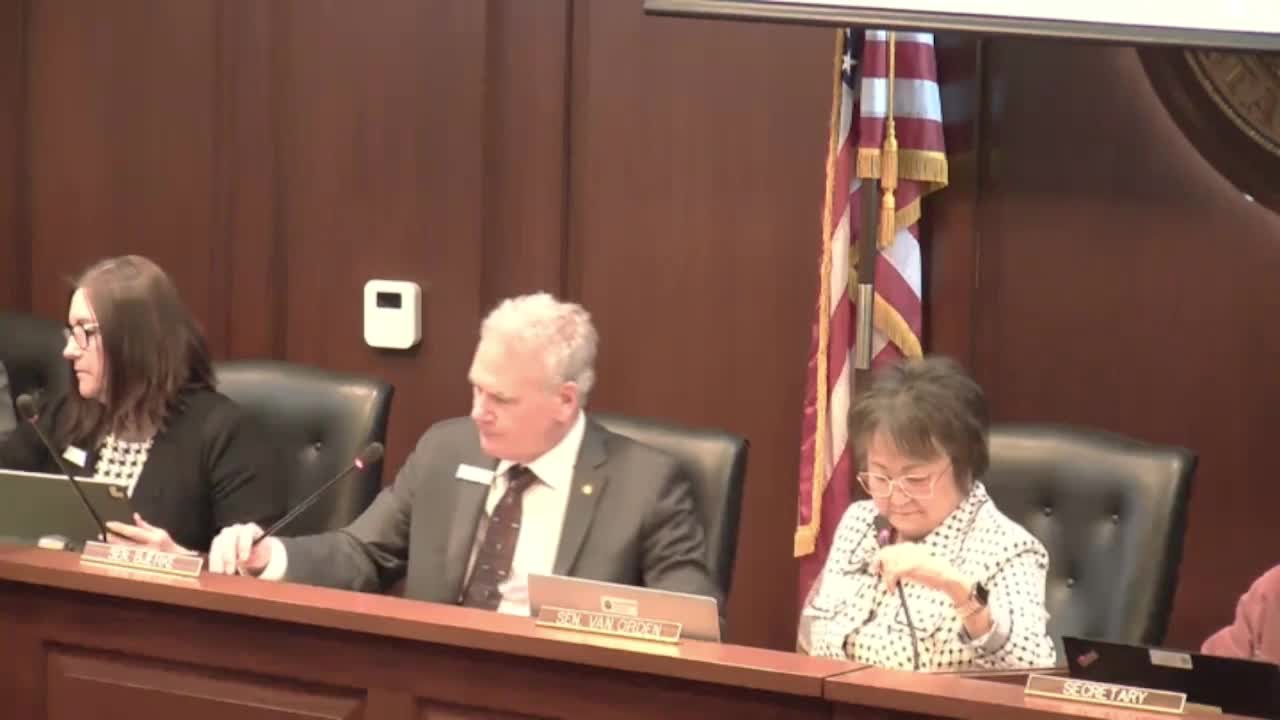
The Senate Health and Welfare Committee voted to send House Bill 199 to the Senate with a due-pass recommendation after hearing sponsor remarks and public testimony from refugee services staff and clinicians.
Sponsor Senator Keiser told the committee the bill moves an existing administrative rule into statute and removes an extra eligibility tier in the Refugee Medical Assistance program. Under current practice, refugees whose income exceeds 133 percent of the federal poverty guideline could qualify for an expanded benefit up to 150 percent; the bill reduces that provision so refugees are treated the same as other Idahoans at 133 percent of the guideline, Keiser said.
Keiser said Idaho resettles roughly 1,000 refugees per year, and that in the most recent year only 19 individuals were eligible for the higher benefit. He testified the program’s total medical costs in 2024 were about $223,000 while the program’s administrative cost exceeded $1.1 million, and he described the move as a measure to limit program ‘‘bloat’’ and align eligibility with other Medicaid recipients.
Several witnesses opposed the change. Holly Beach, communications manager at the Office for Refugees, described the state’s long history of refugee resettlement and said refugee medical assistance “does not cost Idaho taxpayers additional money” and that medical access accelerates refugees’ path to self‑sufficiency. Dr. Angela Banks, a family medicine physician in Boise, said many refugees arrive after years without medical care; she described refugee medical screening and treatment as critical to return people to health so they can work and support families. Hannah Habineza (refugee medical case manager at Foseco Health) and others said losing the extra eligibility would force some refugees to choose between health care and work and could impede their ability to become self‑sufficient.
Committee members asked about the origins of the higher eligibility level and the characteristics of the roughly 19 current beneficiaries. Keiser said he did not interview individual recipients but that program screening and sponsor supports already exist; he said refugees receive federal refugee medical screening at arrival and a year later when they adjust status. Senator Wintrow urged retention of the higher eligibility to help refugees who have experienced trauma and face additional barriers, calling the cost small relative to the benefit for affected individuals. Senator Lenny emphasized fiscal figures cited by the sponsor when urging alignment to 133 percent.
Senator Lenny moved to send HB 199 to the floor with a due-pass recommendation; the motion received a second and was approved by voice vote. The transcript records debate among committee members both for and against the measure and multiple public testimonies in opposition. No amendments were adopted in committee.