Get Full Government Meeting Transcripts, Videos, & Alerts Forever!
Get email alerts on the Crypto Atms topic
No spam. Unsubscribe anytime.
Senate hearing on crypto‑ATM bill spotlights fraud risks, dispute over transaction limits and receipts
Summary
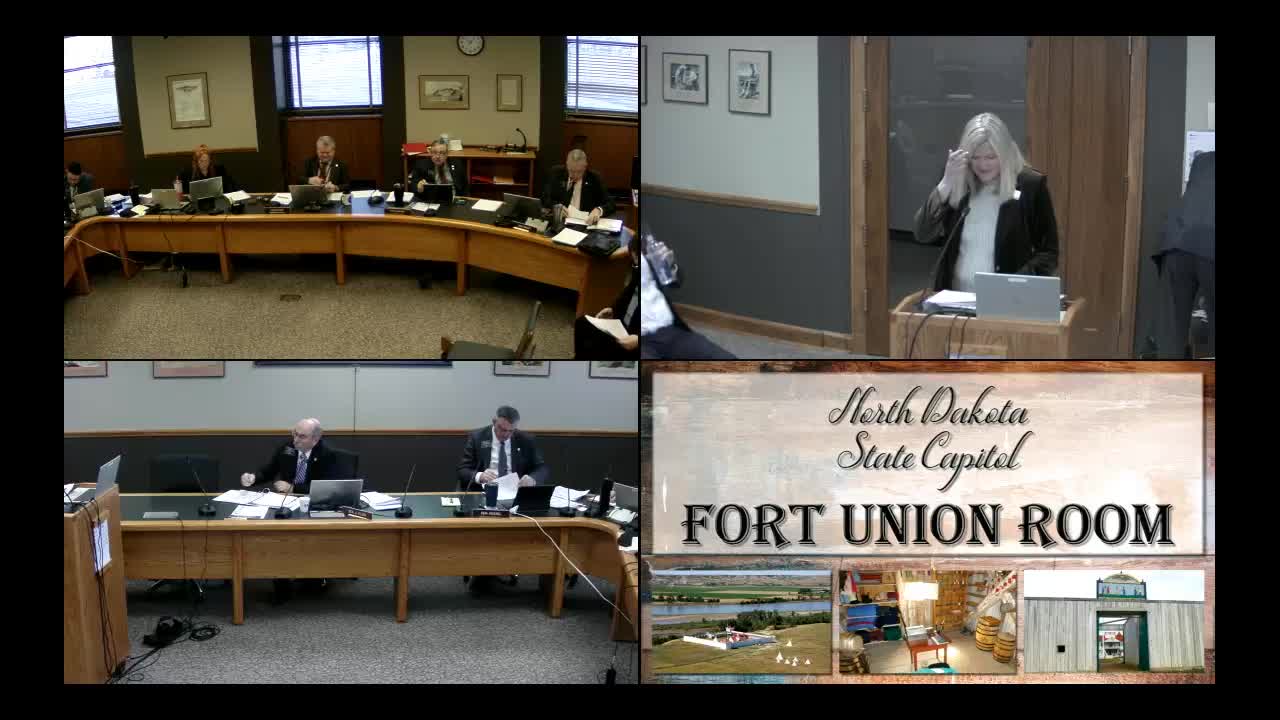
Bismarck — The Senate Industry and Business Committee heard extended testimony on House Bill 14‑47, a bill that would add regulatory requirements for cryptocurrency kiosks (crypto ATMs) to Chapter 1309.1 of the North Dakota Century Code.
Bismarck — The Senate Industry and Business Committee heard extended testimony on House Bill 14‑47, a bill that would add regulatory requirements for cryptocurrency kiosks (crypto ATMs) to Chapter 1309.1, the state money‑transmitter statute. Commissioner Lisa Cruz told senators the Department of Financial Institutions supports the bill and has proposed technical amendments to tighten definitions and restore continuous transaction limits.
“Crypto ATMs have become the new avenue for fraudsters instead of gift cards,” Cruz said, citing significant increases in reported losses and elder‑targeted scams that use kiosks to move cash into fraudsters’ wallets almost instantly.
What the bill would do: Cruz and other supporters described the bill as establishing a set of consumer‑protection requirements for kiosk operators — including visible warnings at kiosks, fee disclosures, live customer service, paper receipts, anti‑fraud operator controls and transaction limits — and clarifying the department’s jurisdiction over virtual currency money transmitters. The House amended the original draft to raise a per‑transaction threshold to $2,000 and to remove certain operator liability language; the department now asks the Senate to adopt a further amendment to correct definitions and to restore transaction‑limit language the department says better addresses pig‑butchering and romance‑scam patterns.
Evidence and anecdotes: Fraud investigators and bankers described repeated, multi‑day fraud patterns. Jacob Rood, a fraud investigator at First Western Bank, related cases including a newlywed couple who lost $15,000 and an elderly widow who nearly lost $25,000 by repeatedly registering at a kiosk and making multiple $2,000 deposits across days. Rood advocated for mandatory physical receipts and unexpiring daily limits to give families, banks and law enforcement time to intercede.
Public and industry views: AARP North Dakota and county prosecutors supported stricter controls and said kiosks have become a preferred tool for scammers who exploit victims’ trust in a physical, in‑store device. The Dakota Credit Unions and North Dakota Bankers Association also supported the bill with the department’s proposed amendments. Operators and some kiosk vendors asked the committee to respect the compromise language the House approved and requested time to review department amendments before the committee acts. CoinFlip and Bitcoin Depot said they support sensible regulation, licensure and compliance requirements but asked to participate in drafting changes.
Numbers cited: Supporters cited FBI Internet Crime Complaint Center data that crypto‑related fraud losses rose significantly in 2023 — more than $5.6 billion nationally — and that North Dakota reported roughly 103 complaints totaling about $6.5 million in losses. Cruz told the committee the House‑approved draft raised per‑transaction thresholds to $2,000; she argued that limiting only the first five transactions within a 30‑day window (an insertion in the House text) would leave victims exposed during longer con schemes.
Committee action and next steps: The hearing drew numerous supporters and critics. Committee members asked questions about enforcement, where operators are licensed and how fraud detection tools and blockchain analytics might help flag suspicious transactions. No formal committee vote was recorded at the hearing; the department asked that the Senate adopt its amendment restoring continuous transaction limits and clarifying definitions to reduce fraud risk.