Get Full Government Meeting Transcripts, Videos, & Alerts Forever!
Get email alerts on the Tenant Rights topic
No spam. Unsubscribe anytime.
Committee hears HB 3493 to bar landlords from banning political canvassing in manufactured‑home parks and marinas
Summary
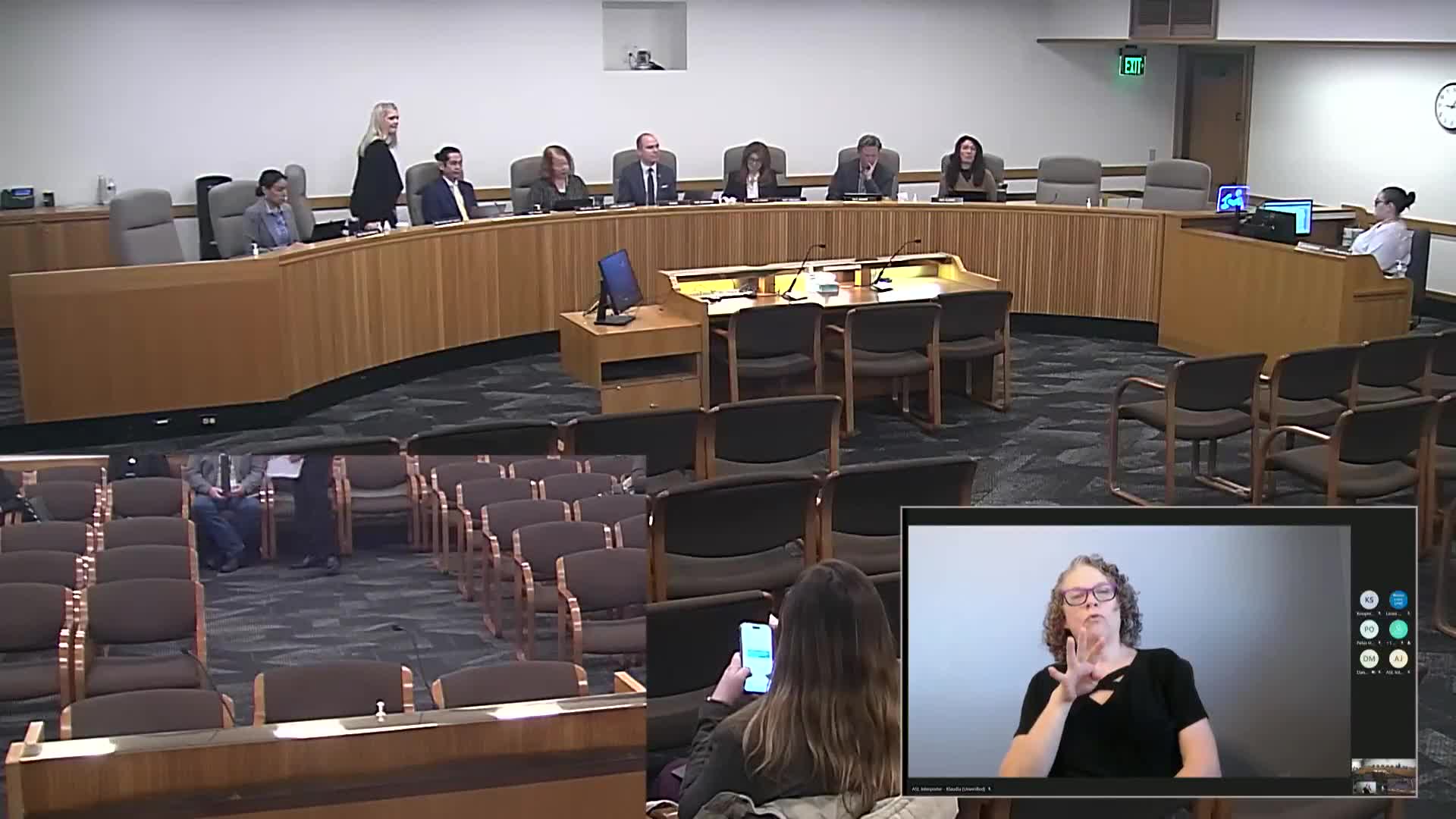
The House Committee on Rules opened a public hearing March 20 on HB 3493 (dash‑1), a bill that would bar landlords of manufactured dwelling parks and marinas from prohibiting political canvassing by public officials, candidates and community groups, while preserving tenants’ ability to post no‑soliciting signs for their individual lots.
The House Committee on Rules opened a public hearing March 20 on House Bill 3493 (with the dash‑1 amendment), which would prohibit landlords of manufactured dwelling parks and marinas from barring canvassing or solicitation by public officials, candidates for public office, their representatives, or representatives of community organizations, and would require landlords to allow tenants to post “no soliciting” signs for their individual lots.
Representative (as addressed at the hearing) introduced the bill and said the measure is intended to ensure residents of manufactured‑housing communities have access to elected officials and community organizations. The posted dash‑1 amendment removes the word “solicitation” in certain places to clarify intent, adds tenant organizations and representatives of political campaigns to the list of permitted visitors, and streamlines language about where tenants may invite or prohibit visitors.
Several witnesses spoke in support. Elsie Elling, political and policy strategist for Service Employees International Union (SEIU) Local 503, said banning political canvassing in parks “disproportionately affects marginalized and low‑income populations” and would curtail residents’ ability to learn about candidates and policies that affect their lives. Peter Hainley, executive director of CASA of Oregon (Community and Shelter Assistance Corporation), said his organization’s manufactured‑housing cooperative development center has converted 28 communities and works with roughly 2,000 units and about 3,200 residents; he said access to parks is essential to forming resident co‑ops and to equitable civic engagement.
The bill’s sponsor emphasized that tenants would retain the right to post “no soliciting” signs at their individual lots, but that a landlord should not be able to prohibit canvassing or meetings by elected officials, campaign representatives, or tenant organizations within common or recreational areas. Committee members asked for clarification on the scope of permitted canvassing, and witnesses described the bill as narrowly focused on political and community engagement rather than commercial solicitation.
No committee action or vote was taken at the hearing. The committee closed the public hearing and adjourned.
Ending: Supporters characterized HB 3493 as a measure to protect residents’ First Amendment access and ease voter outreach in communities with limited transportation and outreach infrastructure; witnesses with on‑the‑ground experience asked the committee to preserve tenants’ rights to invite representatives and to ensure landlords cannot block organizing or cooperative‑formation efforts.