Get Full Government Meeting Transcripts, Videos, & Alerts Forever!
Get email alerts on the Initiative Reform topic
No spam. Unsubscribe anytime.
House Rules committee hears HJR 3 to require county-level initiative signatures, bar non‑voter contributions
Summary
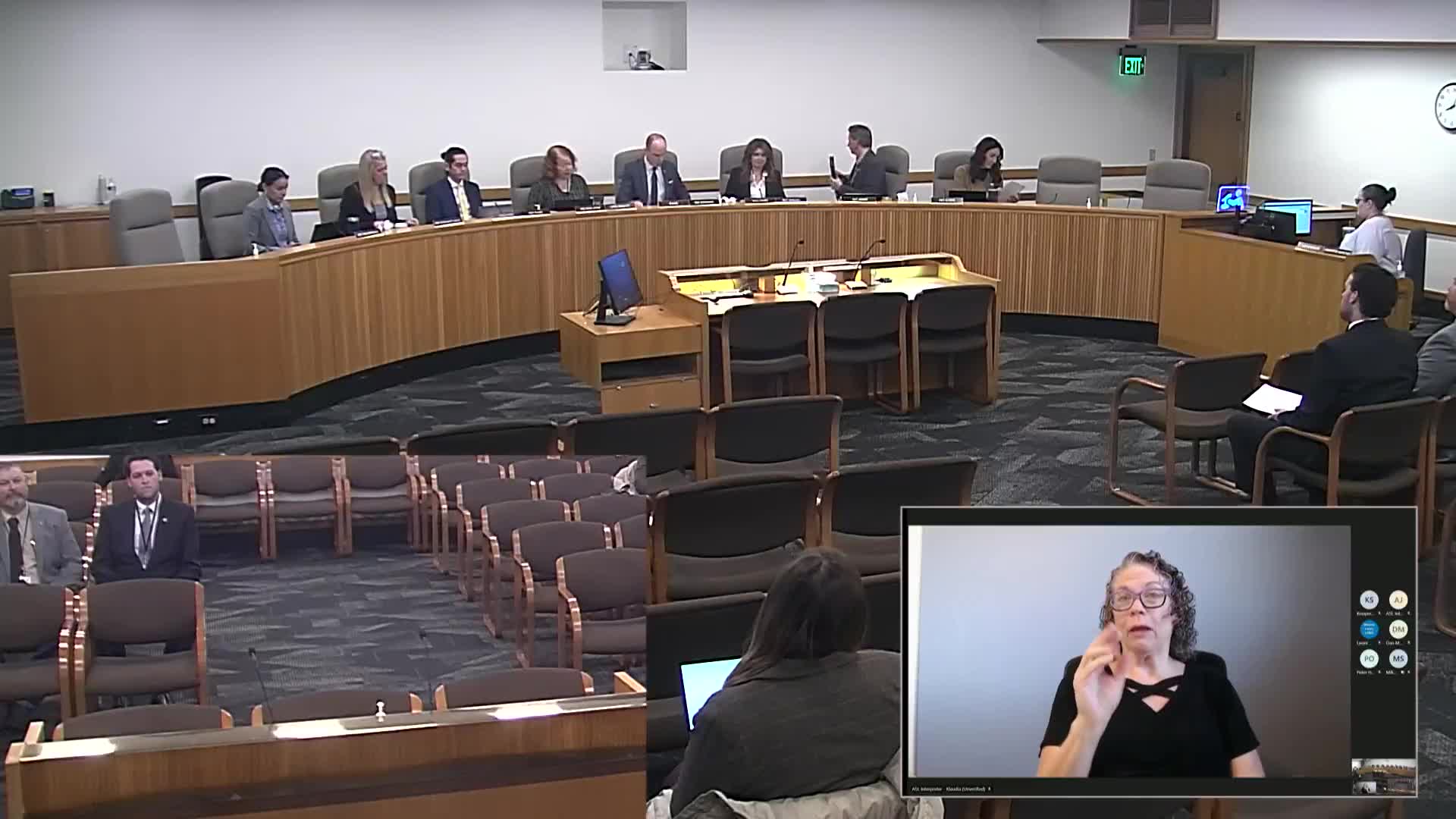
The House Committee on Rules opened a public hearing March 20 on House Joint Resolution 3, a proposed constitutional amendment that would require initiative‑petition signature thresholds to be met separately in each Oregon county and would bar persons who are not qualified Oregon voters from contributing to initiative campaigns.
The House Committee on Rules opened a public hearing March 20 on House Joint Resolution 3, a proposed constitutional amendment that would require initiative-petition signature thresholds to be met separately in each Oregon county and would bar persons who are not qualified Oregon voters from directly or indirectly making contributions in connection with initiative measures.
Supporters told the committee the proposal would redress what they described as disproportionate influence by well-funded, population‑centered interests. Isaac Insco, chief of staff to Representative Bobby Levy, testified the measure would “restore balance by requiring that petition signatures for proposed laws and constitutional amendments come from each county in Oregon, ensuring a more geographically diverse and representative electorate.” Senator Todd Nash (R‑District 29) said out‑of‑state funding and recent petitions had targeted Oregon as a testing ground and that requiring county‑level signatures would force proponents to gather support across the state.
Opponents warned the resolution would sharply raise the cost and legal risk of using the initiative process. Preston Mann, political director for Oregon Business and Industry (OBI), urged rejection and recommended the committee consider the alternate geography approach in HJR 11, saying county‑by‑county thresholds would make petitions “unreasonably difficult and/or excessively expensive.” Dan Meek, representing the Independent Party of Oregon and the Oregon Progressive Party, said the measure could give a handful of voters in sparsely populated counties effective veto power over statewide measures and argued the non‑voter contribution ban likely would violate free‑speech precedents. Michael Salvaggio of UFCW Local 555 and resident Kathy Gaine likewise testified in opposition, citing cost and access concerns.
Committee members questioned proponents about constitutional principles and practical effects. Chair Bowman asked how the proposal should be reconciled with the “one person, one vote” principle; Senator Nash responded that signatures from residents with on‑the‑ground experience (for example, agricultural communities) should count separately because lived experience can affect the substance of measures. Vice Chair Pham asked what would prevent out‑of‑state interests from paying signature gatherers to meet county thresholds; proponents acknowledged the risk but said the requirement would make such influence more difficult and more expensive.
No committee vote was taken. The committee closed the public hearing on HJR 3 without action and moved to the next agenda item.
Ending: The hearing generated sharply divided testimony: proponents framed HJR 3 as a fix to a rural‑urban imbalance in the initiative process, while organized business groups, voting‑rights advocates and petition‑gathering experts said the change would raise costs, create legal questions about campaign finance restrictions, and could concentrate veto power in a few low‑population counties. The committee did not take a vote at the hearing.