Get Full Government Meeting Transcripts, Videos, & Alerts Forever!
Get email alerts on the Ctso Credit topic
No spam. Unsubscribe anytime.
Bill would allow college credit for workplace and CTSO learning; universities raise accreditation concerns
Summary
Senate Bill 786 would create a framework for awarding college credit based on competency from out-of-school learning (CTSO programs like FFA, DECA, speech and debate); industry and CTE advocates supported the change while public university representatives warned the bill could conflict with accreditation and standard assessment practices.
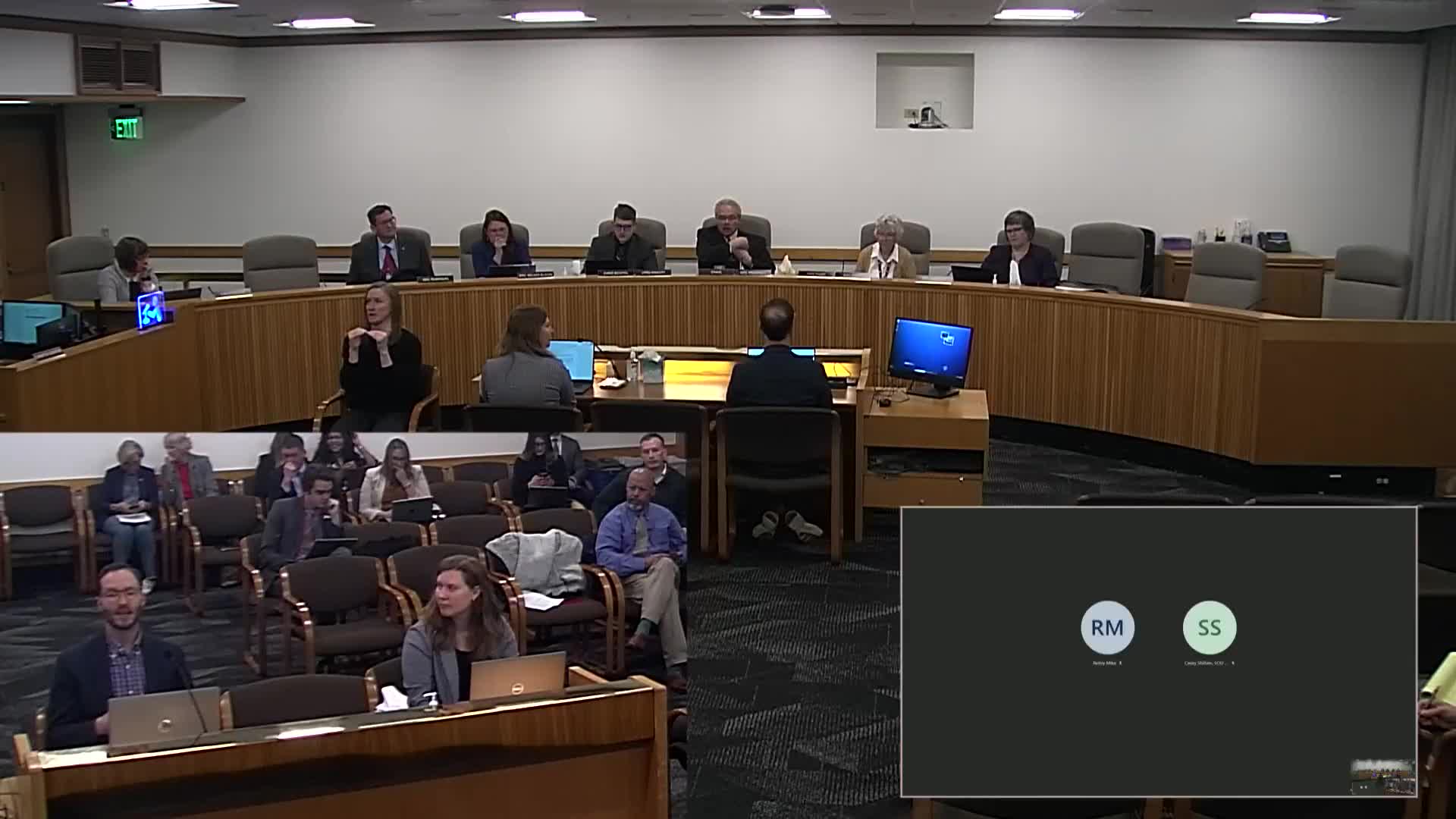
Senate Bill 786 drew divided testimony on March 10 as the Senate Education Committee heard arguments for awarding college credit for “exponential” or experiential learning earned through career and technical student organizations (CTSOs) and similar programs.
Representative Bobby Levy and staff for Senator Nash described the bill as recognizing the value of workplace learning and CTSO experiences — including FFA, Future Natural Resource Leaders, FBLA and speech and debate — and establishing a statewide framework for awarding college credit based on demonstrated competencies.
Supporters said the bill would expand access to credit for students in rural areas who have limited AP or IB offerings. Amanda Sullivan Astor of Associated Oregon Loggers said CTSO participation “teaches real world applied experiences” and that “these students deserve the same recognition and opportunity as their peers.” Nathan Soltz, a former speech-and-debate competitor who testified in support, described the life-skills value of debate and urged the committee to advance the bill.
Representing Oregon’s public universities, Casey Shillum (Southern Oregon University, provost) testified in opposition to SB 786 and voiced concerns about the bill’s methods. Shillum said public universities already have multiple pathways to grant credit and that SB 786 would require institutions to award credit without institutional assessment of course outcomes or compliance with accreditation standards. He warned the bill’s provisions to restrict universities from requiring introductory coursework could run counter to student-success and retention best practices.
Committee staff reported a minimal fiscal impact posted for the bill ($10.98). The committee paused later in the hearing to address a missing posted amendment to another bill (SB 1098) and ultimately carried that bill over to Wednesday, March 12, to allow staff time to post the amendment. No committee vote occurred on SB 786 during the March 10 hearing.
The hearing record shows competing priorities: advocates pressed for recognition of workplace-based competencies and broader access to college credit, while university leaders warned that standardized assessment and accreditation safeguards should not be bypassed.