Get Full Government Meeting Transcripts, Videos, & Alerts Forever!
Get email alerts on the Ag Education Scholarship topic
No spam. Unsubscribe anytime.
Proposal would fund scholarships for agriculture educators who commit to rural service
Summary
Senate Bill 785 would create a scholarship program to pay tuition and fees for prospective agriculture educators who agree to teach in rural Oregon communities for a period equal to their scholarship years; the award converts to a repayment obligation if recipients fail to complete their service commitment.
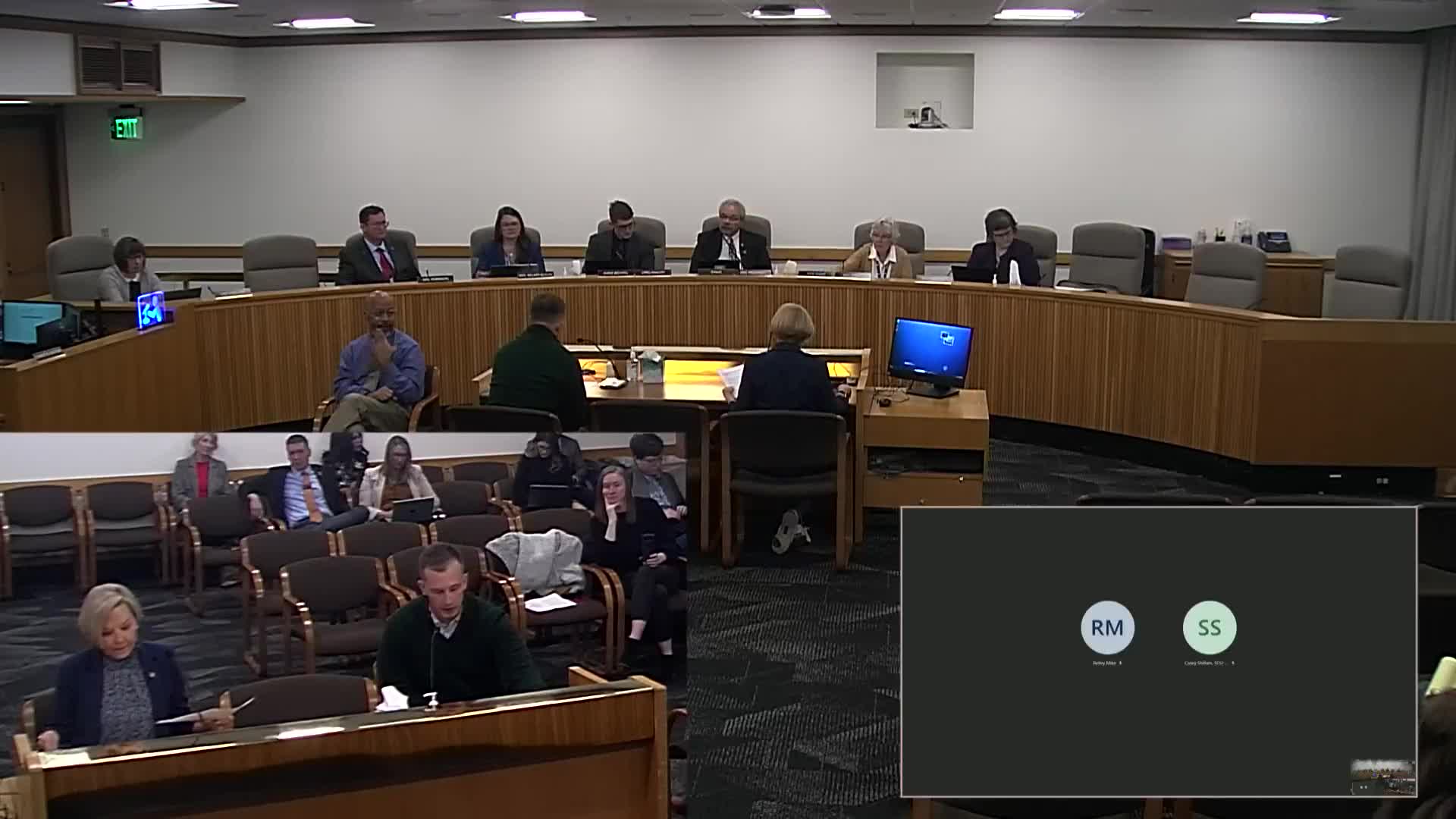
Senate Bill 785, discussed at a March 10 public hearing, would establish an Agriculture Education Scholarship Program administered by the Higher Education Coordinating Commission (HECC). The program would cover tuition and fees for prospective agricultural educators who agree to teach in a rural community for at least the number of years they received scholarship support. If a scholarship recipient fails to complete their degree or to fulfill the service agreement, the award converts to a repayment obligation with limited exceptions.
Representative Bobby Levy, a sponsor of the companion bills on rural education pathways, said the program mirrors other incentive models used to recruit essential professionals to rural areas and described the scholarship as a targeted investment to address a shortage of agriculture educators in rural districts. Levy noted that agriculture and natural resource career and technical education contributes measurable economic benefits to students and communities.
Jake Beller, speaking for Senator Nash, said the bill aims to build a pipeline of agriculture educators who will return to rural communities after college. Amanda Sullivan Astor of Associated Oregon Loggers and Jonathan Velez, head of agricultural education at Oregon State University, supported the bill, citing evidence that ag education increases long-term earnings for students who enter the workforce and noting strong participation in workplace-learning programs.
Committee members asked how the program would be administered and how students would be informed of repayment liability. HECC staff (Kyle Thomas) said the bill requires placement in Oregon during the service term and that enforcement options are limited if recipients leave the state before a repayment period ends. Thomas said marketing materials would make the convertible-grant terms clear and that recipients would sign a promissory-note-like agreement prior to beginning their program.
The bill appropriates an unspecified amount from the general fund and would become operative in the 2026–27 academic year if enacted. No committee vote was recorded at the conclusion of the hearing.