Get Full Government Meeting Transcripts, Videos, & Alerts Forever!
Study presented at coalition links Caloosahatchee nitrogen loads to duration of red tide blooms
Summary
Researchers told the coalition that measured nitrogen loads from the Caloosahatchee watershed correlate with how long severe Karenia brevis (red tide) events persisted in the Gulf, and they urged managers to prioritize August-November reductions in watershed loading.
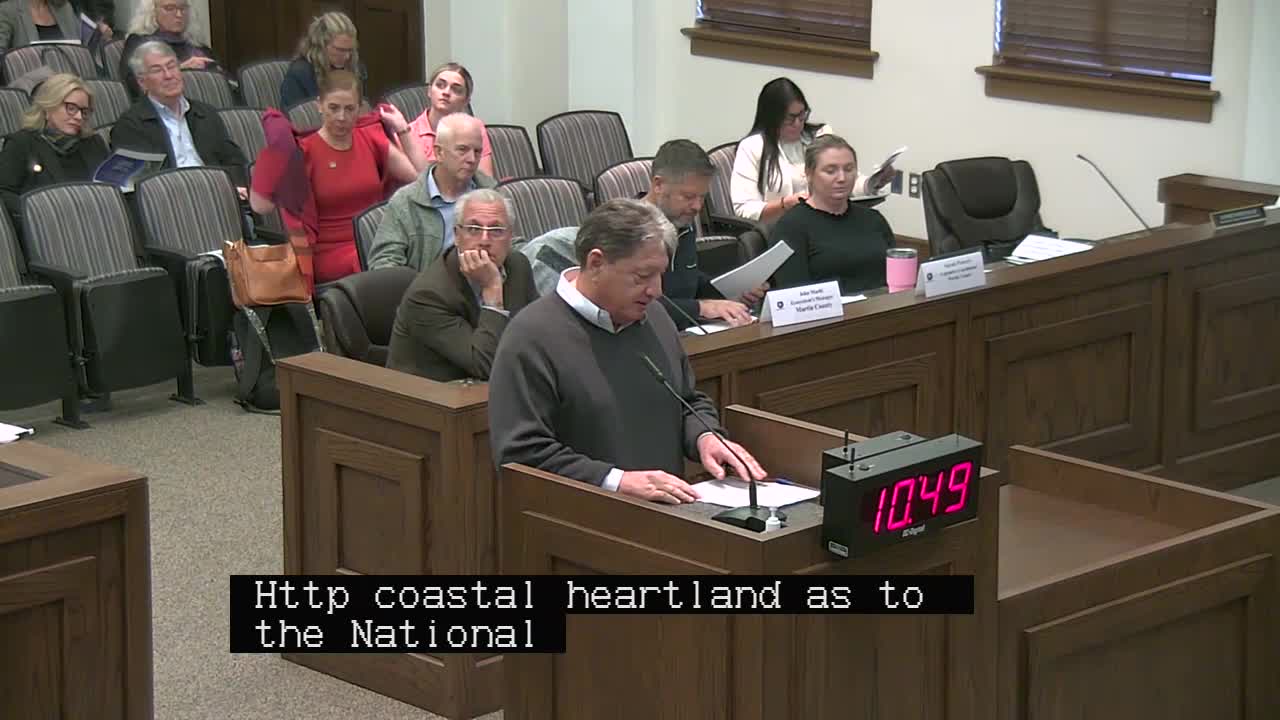
Researchers told the coalition on Feb. 21 that measured nitrogen loads to the Gulf of Mexico from the Caloosahatchee watershed correlate with the duration of severe Karenia brevis (red tide) blooms along Southwest Florida.
The study, presented by hydrologist Steve Schwab and Jennifer Hecker of the Coastal and Heartland National Estuary Partnership (CHNEP), analyzed daily red tide cell counts and watershed load and flow data from about 2007 onward and found the strongest statistical relationship with loads from the Caloosahatchee River.
Why it matters: Coalition members and staff said longer red tide events have demonstrable economic and ecological impacts across the coast. Presenters argued that while red tide is a naturally occurring organism offshore, anthropogenic nutrient loads can lengthen and intensify shoreline impacts when an…
Already have an account? Log in
Subscribe to keep reading
Unlock the rest of this article — and every article on Citizen Portal.
- Unlimited articles
- AI-powered breakdowns of topics, speakers, decisions, and budgets
- Instant alerts when your location has a new meeting
- Follow topics and more locations
- 1,000 AI Insights / month, plus AI Chat