Get Full Government Meeting Transcripts, Videos, & Alerts Forever!
Get email alerts on the Land Use Rezone topic
No spam. Unsubscribe anytime.
Board approves Brown Lane rezone to RSF‑3 PUD after developer redesign, citing expanded stormwater work
Summary
Commissioners unanimously approved a rezone of 5800 Brown Lane to RSF‑3 PUD after the applicant reworked the site plan, added sidewalks, enlarged lakes and revised stormwater design — now engineered to a 500‑year storm standard — and preserved wetlands and buffers.
What happened: The board unanimously approved a rezone (ordinance 2024-049) for a 10.24‑acre property at 5800 Brown Lane, changing the zoning from OUE‑2 to RSF‑3 with a binding development concept plan (DCP). The DCP calls for clustered single-family lots and a mix of one- and two‑story home designs, sidewalks throughout, a 10‑foot buffer at east and west property lines, no impact to the existing wetland and a larger retention/lake area.
Why it mattered: The applicant voluntarily redesigned the project after an earlier continuance. The revised plan reduced overall impervious surface, added public sidewalks (the school board asked earlier for greater pedestrian connections), converted proposed hammerhead turnarounds to cul‑de‑sacs and expanded on‑site retention to accommodate a 500‑year storm rather than the county’s usual 100‑year design standard. County staff and developers said the property has no floodplain impacts beyond the existing wetland and that utilities have capacity.
Key details: Developer representatives said they had fully engineered the stormwater system to the 500‑year standard and modeled on-site and off-site nodes in the Phillippi Creek watershed model; engineer Matt Morris told the board the model showed no increase in modeled water elevations in downstream nodes after the development is built to 500‑year standards. The project preserves the on‑site wetland and surrounding buffer and proposes a vegetated buffer and PVC fencing to separate lots from adjacent parcels.
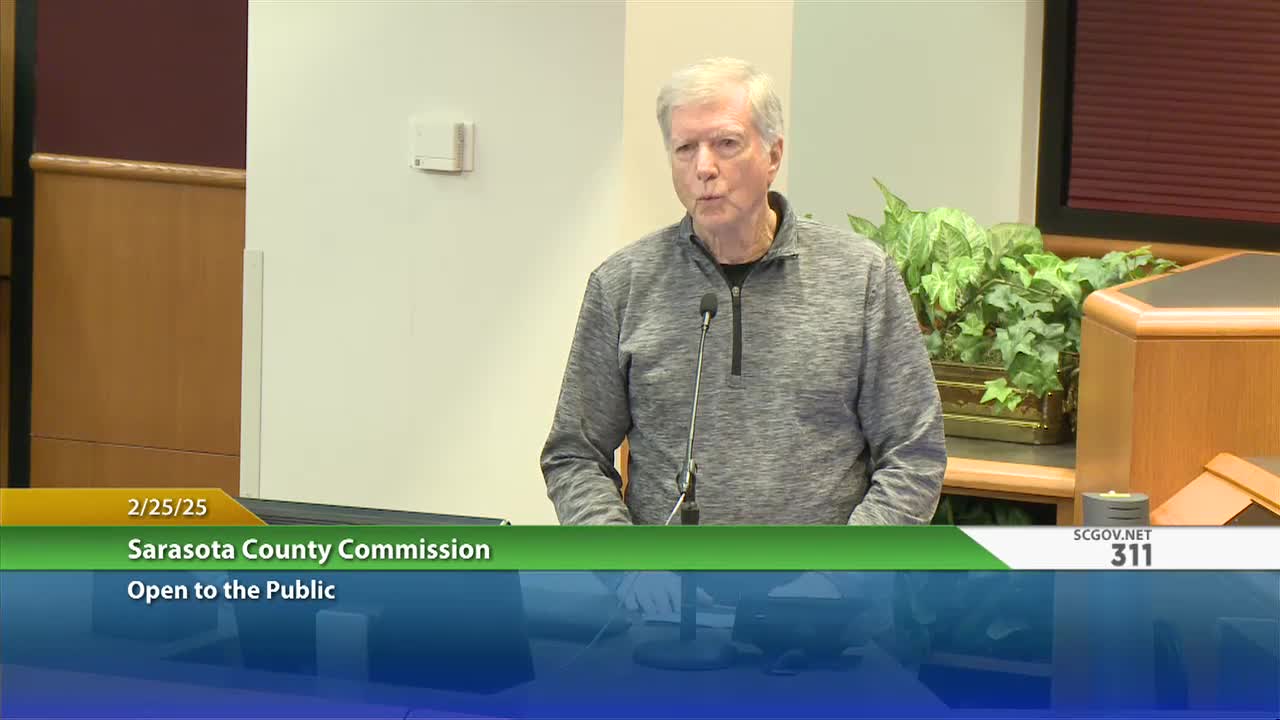
Public comment: One nearby resident spoke during public comment urging greater caution because of flooding risks and called for stronger performance guarantees. The applicant and project engineer repeatedly emphasized the expanded stormwater design and the choice to build full engineering plans prior to the rezoning vote.
Outcome: Motion to approve the rezone passed unanimously. The approved DCP and conditions will guide the subsequent full site plan and permitting stages; staff will require the final engineering submittals and standard platting approvals before issuing permits.