Get Full Government Meeting Transcripts, Videos, & Alerts Forever!
Get email alerts on the Tourism Lodging topic
No spam. Unsubscribe anytime.
Hocking Hills tourism director reports 13% lodging tax increase, strong public support for short‑term rental zoning
Summary
Karen Raymore, executive with the Hocking Hills Tourism Association, told commissioners lodging tax collections rose 13% in 2024 and that a resident survey showed 82% support for zoning to manage tourism growth, including short‑term rentals. She said state legislation on sales tax collection and limits on local regulation is anticipated.
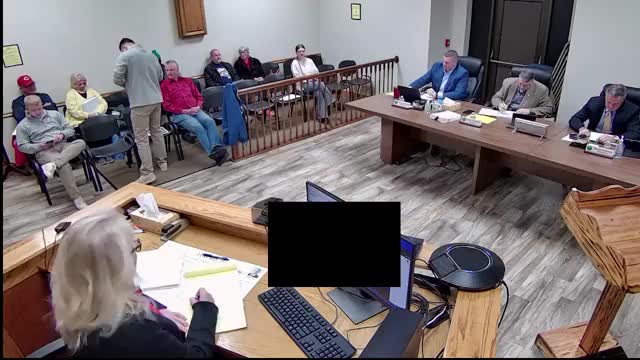
Karen Raymore, representing the Hocking Hills Tourism Association, reported to the Hocking County commissioners on Feb. 6 that lodging tax collections rose 13% in 2024 compared with 2023 and that recent media coverage and marketing drove substantial national impressions.
Raymore said the association’s public‑opinion work included a mailed paper survey to more than 11,000 Hocking County households; preliminary results showed that 82% of respondents supported using zoning or other land‑use regulation to manage tourism growth, including short‑term rentals. “When we ask people what they like least about living in Hocking County, traffic, tourism” and related impacts were common, she said.
Raymore described several outreach and stewardship efforts: a stewardship plan (appendix not included in the packet), a resident survey and a stewardship collaborative with more than 240 residents who volunteered to help. She said the association uses both national media placements (for example, Forbes and USA Today coverage naming local attractions) and targeted marketing in cities such as Chicago to attract longer overnight stays rather than day trips.
On policy, Raymore discussed state‑level activity she said is expected this session. She told commissioners that current Ohio law exempts a lodging operator from collecting and remitting state sales tax unless the operator has five or more units; lobbyists and trade groups are pursuing changes she expects to be introduced in the General Assembly by June. Raymore said if a change were enacted to require collection regardless of unit count, she estimated Hocking County could see roughly a $500,000 increase in county revenue “conservatively” if all short‑term rental operators remitted sales tax.
Raymore told commissioners the tourism association opposes proposed state legislation that would prohibit local governments from regulating short‑term rentals; she said the association and other local government trade groups could oppose such a bill depending on its final language. No state bill number was confirmed at the meeting.
Raymore closed by offering to provide the stewardship plan appendix and the association’s audit and financials on request. The commission did not take formal action on the presentation at the time.