Get Full Government Meeting Transcripts, Videos, & Alerts Forever!
Get email alerts on the Public Prayer Policy topic
No spam. Unsubscribe anytime.
Public divided over prayer at Pueblo County meetings; commissioners refer matter to work session
Summary
Public comment on whether the Board of County Commissioners should open meetings with a verbal prayer split between supporters and opponents. Several commissioners signaled differing views and the board directed further discussion in the work session; one commissioner said a proposal for a minute of silence policy will be presented.
Citizens and faith leaders filled the public-comment period Thursday to urge opposing outcomes on whether the Pueblo County Board of County Commissioners should open its meetings with a spoken prayer.
Tamara Axworthy, speaking during public comment, urged the board to adopt a formal verbal prayer, citing U.S. Supreme Court precedent. "The practice of opening government meetings with prayer is firmly rooted in our nation's history and has been consistently upheld by the courts," Axworthy said, referring to court rulings.
Several speakers argued for a return to prayer at the start of meetings, including Sharon Scuti, Ed Perry and Dan Nielsen, who framed the practice as a unifying tradition with historical roots. "I urge the 3 of you to vote in the affirmative to begin your BOCC meetings going forward with an opening prayer," Perry said.
Other speakers opposed public prayer at government meetings as an imposition of religion. Barbara Rippiger said prayer is a private practice and suggested a minute of silence instead: "If you feel prayer is necessary for you before a meeting, say that prayer in your office or before coming to the meeting." Reverend Gary Weaver, representing a multifaith organizing group, said a public prayer would "dishonor the constitution" and recommended a minute of silent reflection that allows all attendees to prepare.
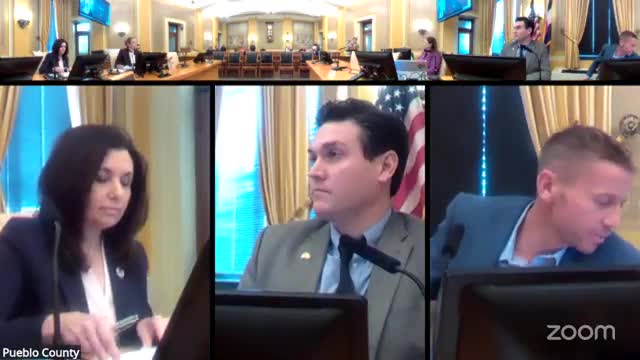
Commissioners discussed the public comments and the issue on the record. One commissioner said the topic would be brought to the board’s work session following the business meeting for a more detailed review. A commissioner announced a policy proposal that would institute a one-minute moment of silence at every meeting to allow attendees and commissioners to reflect or pray in their own way; that commissioner said the proposed policy was ready for presentation at the work session and that it was designed to avoid logistical and inclusion concerns tied to an invited verbal prayer.
The board did not adopt a new policy during the business meeting; the matter was referred for further discussion in the work session the same day.