Get Full Government Meeting Transcripts, Videos, & Alerts Forever!
Get email alerts on the Utility Rates topic
No spam. Unsubscribe anytime.
Pasco council reviews irrigation utility rate options; councilmembers split on fee approach
Summary
Council considered three alternatives for irrigation connection fees and rate increases that would fund system operations and capital needs; members debated whether growth should shoulder more of the cost and expressed support for the higher connection fee option.
City staff briefed the council on proposed connection fees and rate increases for the city’s irrigation utility, presenting three policy alternatives that shift revenue burden between a one-time connection charge and ongoing rate increases.
Staff reminded the council the irrigation utility serves a subset of the city (primarily northern and western areas) and that connection fees and rates together must meet modeled revenue needs to cover operations, maintenance and capital projects. Staff described three options: Option A sets the maximum calculated connection fee at $1,498 per residential connection with proposed rate increases of 17% annually for the first three years followed by 3% annually for three years; Option B lowers the connection fee to $1,000 with a 17.75% first-three-year increase followed by 3% for the next three years; Option C sets the connection fee at $750 with an 18.5% first-three-year increase followed by 3% thereafter. Staff presented annual dollar impacts for comparison.
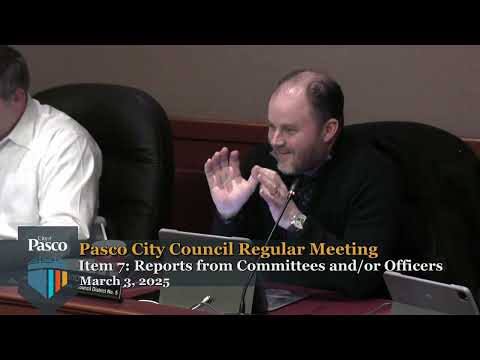
Councilmembers discussed affordability, fairness between existing users and development, and long-term capital needs. Councilmember Krauss asked whether waivers for low-income or senior residents would be possible; staff said the statutory framework appeared to allow such discounts but that final details remained to be confirmed. Several councilmembers said growth should pay for growth; Councilmember Grama and Councilmember Perales said they were inclined toward the higher connection fee (Option A), while others favored a middle-ground approach (Option B) to share costs between new connections and existing ratepayers. Councilmember Milne also said he leans toward Option A but is open to B; no formal vote was taken.
Councilmembers and staff discussed potential future capital needs beyond 2030, conservation strategies such as xeriscaping and ‘‘0-scape’’ programs, and regulatory uncertainties (e.g., future river withdrawal rules) that could increase infrastructure demand. Staff said the rate model shows how reducing the connection fee shifts more cost to rate increases and emphasized timely action because of underlying capital lifecycle and system reliability risks.
No ordinance or resolution was adopted; councilmembers asked staff to refine options and follow up with details about waiver possibilities, long-term capital forecasts and conservation incentives.