Get Full Government Meeting Transcripts, Videos, & Alerts Forever!
Get email alerts on the Recreation And Parks topic
No spam. Unsubscribe anytime.
Kirkland podcast spotlights pickleball’s community, growth and challenges
Summary
City podcast "This Week in Kirkland" hosted a pickleball-focused episode with Shelley Maurer and Cher Emerick of the Life Lessons from Pickleball podcast. Hosts and guests discussed the sport’s local growth, demand for courts, noise concerns, equipment technology and community benefits including international and correctional-program outreach.
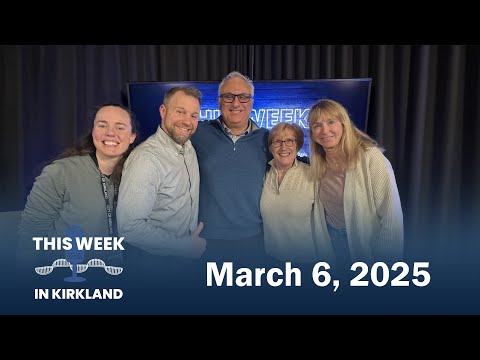
Jim Lopez, deputy city manager and host of the city’s This Week in Kirkland podcast, and co-hosts Kate Ryan and Dave Wohlrecht dedicated the March 6 episode to pickleball, inviting Shelley Maurer and Cher Emerick of the Life Lessons from Pickleball podcast to discuss how the sport is shaping local community life.
"We distilled those into the 3 pillars and joy, community, and empowerment," Cher Emerick said, describing the podcast’s organizing themes. Guests and hosts described pickleball as easy to start, socially engaging and multigenerational — qualities they said have helped rapid local growth.
The episode highlighted several community impacts and issues. Maurer and Emerick noted high demand and long waits at local courts; council staff and players mentioned the need for more courts in Kirkland. Guest examples included Joyce Jones, described on the show as the Guinness World Record–listed oldest competitive pickleball player and a local presence, and international expansion credited to figures such as Dr. Kwabena Akufo (mentioned as the Global Pickleball Federation’s African representative), whose work the guests said helped establish organized play in Ghana and other African countries. The hosts and guests also referenced professional players and tournaments — including local practice by top players at area parks — as a factor increasing visibility of the sport.
Guests addressed recurring community concerns: noise from courts, and equipment and rule changes driven by advancing paddle and ball technology. "They're changing the rules all the time and evaluating the different paddles and saying these are in, these are out," Emerick said, summarizing how governing groups are responding to technology that increases spin and power. The hosts noted some local neighbors object to noise and said quieter balls and sound-dampening surfacing are being explored.
Speakers described civic benefits beyond exercise and recreation: the podcast recounted interviews with people who use pickleball to build community across cultural divides and even in correctional settings, and guests said the sport can reduce social isolation and provide civic- and health-related benefits. The episode closed with guests urging interested residents to try the game and pointing listeners to local lessons and clubs.
The podcast episode did not record formal city actions on pickleball infrastructure, but hosts used the segment to surface community demand and policy issues that could affect future park planning and facility investments.