Get Full Government Meeting Transcripts, Videos, & Alerts Forever!
Get email alerts on the Youth Mental Health topic
No spam. Unsubscribe anytime.
PAC for Families outlines youth mental‑health programs, funding and school partnerships
Summary
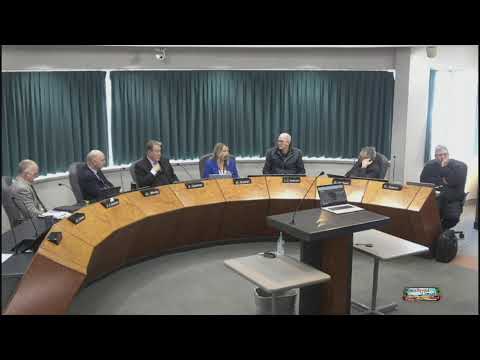
At the Feb. 18 Kandiyohi County Board meeting, PAC for Families’ executive director reviewed federal and state grants that fund programs serving youth ages 14–25, described plans to expand family‑support staff, and outlined a transition of school social workers to district employment.
Sarah Vanderhar, executive director of PAC for Families, told the Kandiyohi County Board of Commissioners on Feb. 18 that the five‑county collaborative has expanded several federally funded transition and prevention programs that serve youth and families across Kandiyohi, Meeker, McLeod, Renville and Yellow Medicine counties.
The presentation described three federal SAMHSA grants and other state funding that underpin the collaborative’s services. “Our Journey to Independence program pulls in $640,000 a year,” Vanderhar said, and she told the board the Road to Success award brings roughly $630,000 a year. She said the Partnership for Success grant provided about $300,000 a year and that local collaborative time‑study dollars from the state yield roughly $425,000 a year but vary by participation in random moment sampling.
Why it matters: PAC for Families runs coaching, family‑liaison work and high‑fidelity wraparound services that the presenter said are meant to help youth with serious emotional disturbances or other behavioral health needs transition to adulthood and to reduce youth substance use in the region. Vanderhar asked the board to expect a letter of commitment later this year if Kandiyohi joins a revised two‑county prevention partnership.
Details of programs and changes: Vanderhar described the Journey to Independence program (began 2020; renewed and expanded to serve ages 14–21) and the Road to Success grant (2023–2028) that now includes some youth with developmental disabilities and extends eligibility up to age 25. She said PAC for Families provides one‑on‑one coaches for youth, family liaisons who help families understand diagnoses and services, and a motivational‑interviewing wraparound model for family support.
Vanderhar said the collaborative is adding a part‑time family‑liaison position in 2025 to increase capacity. She described a GEA (cultural equity) program funded through the state that will bring $285,000 this year and smaller amounts in the two following years ($210,000 each year) to support linguistically and culturally appropriate services and outreach, including exploring careers in mental‑health professions with youth.
Prevention work and schools: The board heard that Partnership for Success work includes substance‑use prevention messaging, distributing vape‑disposal boxes to schools and partnering with SHIP partners to collect disposables for safe landfill disposal. Vanderhar noted that collected vapes are tracked and students caught with vapes are offered cessation training. She said the program is working with school districts to make disposal and cessation supports available and that county partners have cooperated on hazardous‑waste handling for lithium‑battery cartridges.
School social worker transition: Vanderhar reviewed a multi‑year transition that moves school social workers from PAC employment to direct employment by their school districts. For the 2024–25 year PAC for Families will provide 10% of the salary and benefits for three named workers (Misty Langseth, Monica Crowe and Liz Kruger) while the districts take over the remainder. Vanderhar said the collaborative will continue offering trainings and supports to schools even after the employment shift.
Funding reliance and risk: Vanderhar told the board that about 65% of PAC’s budget comes from federal and state sources and she estimated roughly 55% of that funding is federal. She flagged the Partnership for Success grant as the one with an uncertain renewal and said PAC staff are working with grant officers at SAMHSA. Commissioner questions focused on funding stability, hazardous‑waste risks posed by vapes and how schools will coordinate with the collaborative.
Next steps and board requests: Vanderhar said PAC for Families is working on memoranda of understanding with health‑care providers for data sharing required by federal grants and is developing outreach for culturally and linguistically appropriate services. Commissioners asked to be notified if formal requests for local commitments or letters of support are needed. Vanderhar said she expects to return with further updates if the county’s commitment is requested.
Ending: The board did not take a formal vote on PAC for Families’ report; the presentation concluded with several commissioners thanking Vanderhar for the update and asking follow‑up questions.