Get Full Government Meeting Transcripts, Videos, & Alerts Forever!
Get email alerts on the Deq Staffing Permitting Funds topic
No spam. Unsubscribe anytime.
DEQ warns staffing shortfalls slow permitting; seeks targeted pay increases and uses of loan funds for remediation
Summary
The Department of Environmental Quality told the Joint Committee vacancies and turnover are lengthening permit timelines; DEQ proposed targeted pay increases and described transfers from the water pollution control account to fund Bunker Hill Basin remediation and other loan‑fund commitments.
Janet Jessup, a budget and policy analyst with legislative services, introduced the Department of Environmental Quality presentation and directed the committee to pages in the legislative budget book and the department’s ARPA and remediation reports on SharePoint.
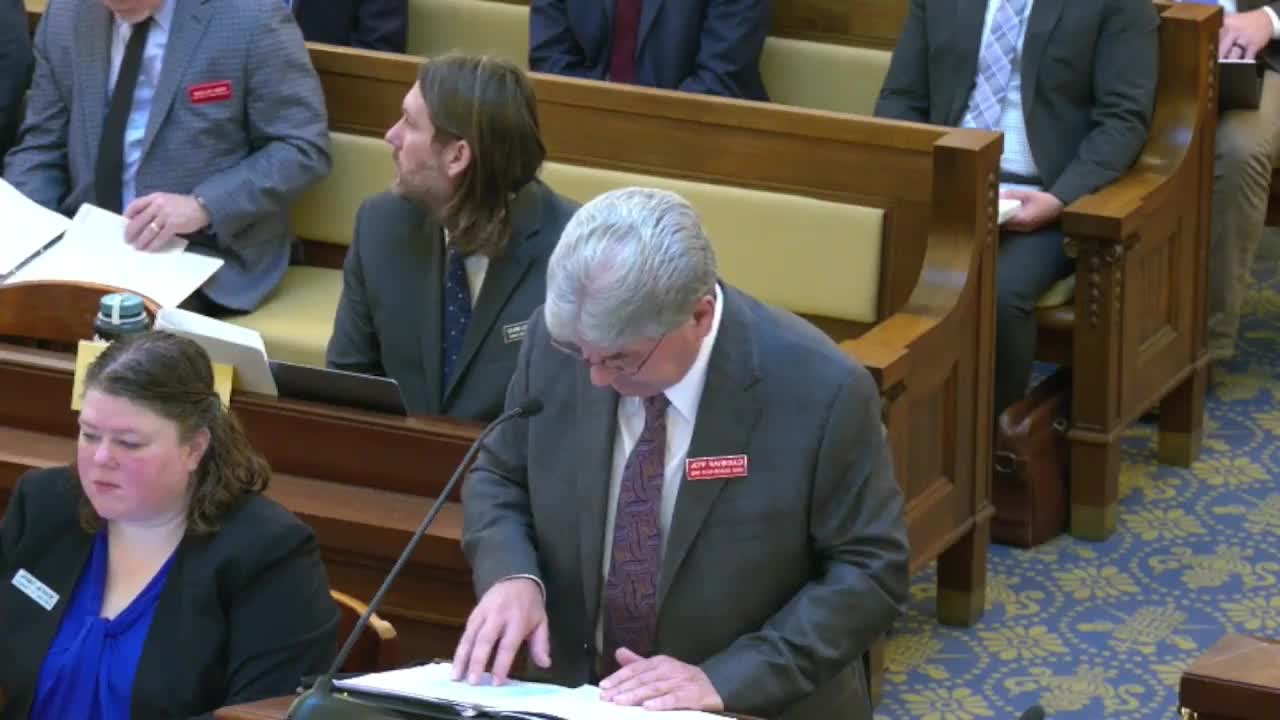
For the record, Jess Byrne identified herself as director of the Idaho Department of Environmental Quality and introduced staff present, including deputy director Tiffany Floyd and financial and program managers.
Byrne told the committee the agency is experiencing turnover that has lengthened permitting timelines and created backlogs. She cited examples: a recent average of 89.1 days to issue an air quality permit that has increased toward 160 days on average in recent months; a roughly 50% vacancy rate in the air‑permitting program during a recent 12‑month window; approximately 60% vacancy in the surface‑water individual permit program over a year; and an average tenure of about 2.8 years for newer hires. Byrne said those patterns make it time‑consuming to train staff and to maintain permit throughput.
“We are now at a point where vacant season turnover are limiting our ability to respond to the demands for our services,” Byrne told the committee, urging competitive compensation to retain specialized staff.
The department’s proposed response—reflected in the governor’s recommendation and a targeted pay request—would raise hiring minimums for technical positions (Jessup summarized raising entry rates from prior low levels and creating tiered minimums for difficult‑to‑fill classifications). Byrne said the combination of targeted pay steps plus a compensation enhancement already advanced by the committee (CEC) would substantially improve retention and recruitment.
On funding and loans, Jessup reviewed the agency’s consolidated fund analysis and highlighted loan funds for drinking water and wastewater projects in addition to remediation and waste‑management funds. Byrne explained the $4.8 million annual transfer into the Water Pollution Control Account (from sales tax distributions established by statute) was intended to maintain state matching capacity for federal capitalization grants that support low‑interest wastewater and drinking‑water loans. She said the legislature has previously directed transfers from that account toward remediation and that the department aims to reach a $45 million target in the basin remediation account to cover long‑term costs for the Bunker Hill Superfund site. Byrne said the account is being used to match federal funds and to back ongoing operation and maintenance obligations.
Jessup and Byrne also discussed ARPA fund inflows and one‑time expenditures that have affected the department’s trustee and benefit payments in recent fiscal years; Jessup noted the legislature required a report on DEQ’s ARPA spending and that report is in the committee’s SharePoint folder.
Committee members sought specifics about the targeted pay plan, effects of permitting delays on business and economic development, the waste‑tire deficiency fund (which carried a negative balance in 2022 and was later repaid), and fund transfer mechanics to the Basin Remediation Account. Byrne said the department will provide additional detail on targeted pay and performance measures to the committee through the budget analyst.
Byrne closed by describing DEQ as a lean agency with fewer staff today in many programs than two decades ago and said stabilizing staff will determine whether additional positions are needed. The committee did not take a final vote on DEQ enhancements during the hearing.